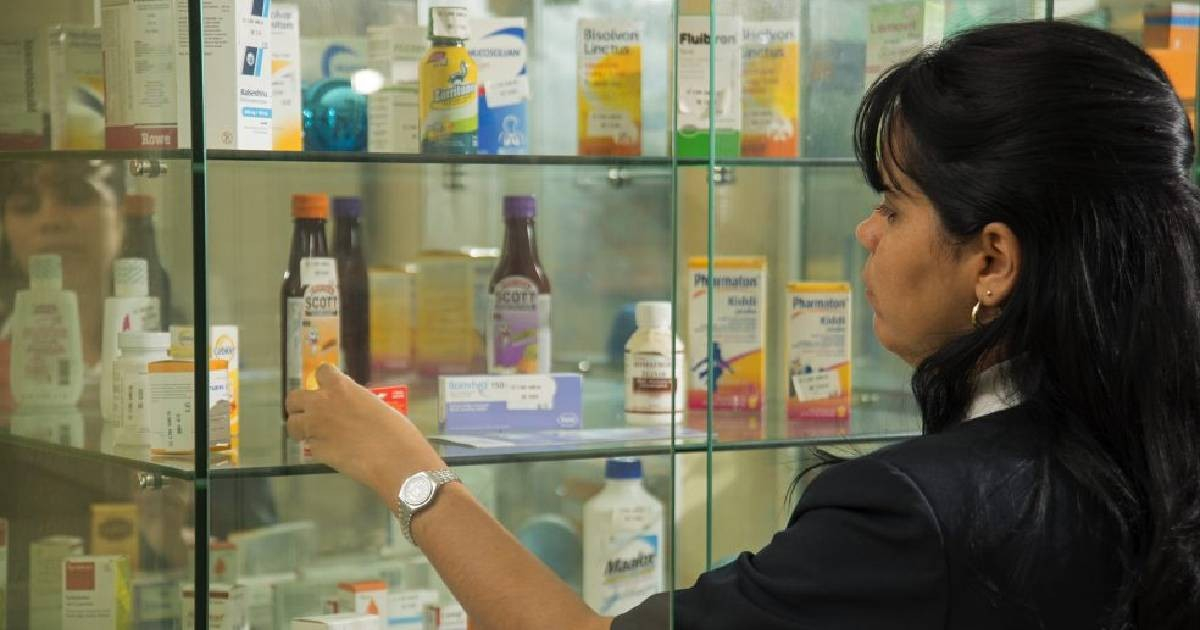
The Cuban regime formally authorized that mipymes (small and medium-sized enterprises) and non-agricultural cooperatives manage pharmaceutical services on the island, a measure that brings both relief and alarm among the population, especially regarding its impact on retirees and chronic patients who depend on subsidized medications.
The Decree 160/2026, signed by Prime Minister Manuel Marrero Cruz on July 22 and published in the Official Gazette on July 28, comes into effect on August 4, 2026 and repeals Decree 107 of 2024, which classified pharmaceutical services as an activity expressly prohibited for the private sector.
The regulation does not imply an automatic opening: each establishment must obtain prior authorization from the Ministry of Public Health (MINSAP), have qualified pharmaceutical personnel, premises with appropriate storage conditions, and medications with valid health registration in Cuba.
As for who can make purchases, the available sources do not impose restrictions based on customer type: the sale would be to the general public within the authorized health framework.
The real problem lies in the prices.
Unlike the subsidized state network, the MIPYMES will be able to set their own prices, which in practice will limit access for those with greater purchasing power and leave the more vulnerable sectors of society in a precarious situation.
The Cuban Islennys García Ruiz summarized on Facebook the contradiction that many feel: "I applaud that MIPYMES are coming in, that people don’t have to be running around with suitcases full of medications in the parks when the police arrive. BUT WATCH OUT."
His warning highlights the risk of the state neglecting its responsibility towards the public network: "Let them not forget about the state pharmacies. Because the elderly, the retirees, need to buy their medications at subsidized prices. If that disappears, we are condemning them. Let the business not come at the expense of the lives of our people."
The measure comes amid an unprecedented pharmaceutical supply crisis: in July 2025, the Minister of Public Health, José Ángel Portal Miranda, acknowledged before the National Assembly that Cuba had only 30% of the essential medication stock available.
By 2026, the situation did not improve: nearly 70% of the essential medicines were unavailable, and in June of that year, the province of Sancti Spíritus reported a shortage of over 300 medications.
Decree 160 also lifted prohibitions on another 46 activities and amended 35 more, including gas stations, assisted living facilities, wholesale trade, and the importation of electric vehicles.
Medical and dental care remains the responsibility of the State; the exception applies only to pharmaceutical services.
The governing bodies had seven days from the publication of the decree to approve the procedures, requirements, and oversight mechanisms, which means that the complete regulatory framework needed to be ready before the norm came into effect on August 4.
García Ruiz summed it up with irony: "This is capitalism at its most twisted, longest, and most exhausting. Each day, in their immense goodness, they make our lives a little more confined."
Related videos:
Filed under: