The Florida Department of Health in Miami-Dade County (DOH-Miami-Dade) issued an official notice this Saturday after confirming a locally acquired case of dengue, according to reports from media outlets.
That the case is "acquired locally" means that the person contracted the infection within the county itself, not during a trip abroad, which raises the concerns of health authorities.
The DOH-Miami-Dade and the county's Mosquito Control Division immediately activated joint protocols for surveillance, prevention, and control in the area.
The agency also maintains continuous surveillance throughout the state of Florida to detect other mosquito-borne diseases: West Nile virus, eastern equine encephalitis, St. Louis encephalitis, malaria, and chikungunya.
Residents of Florida are also urged to report any findings of dead birds to the Florida Fish and Wildlife Conservation Commission (FWC), as these can be early indicators of viral circulation.
Symptoms and mode of transmission
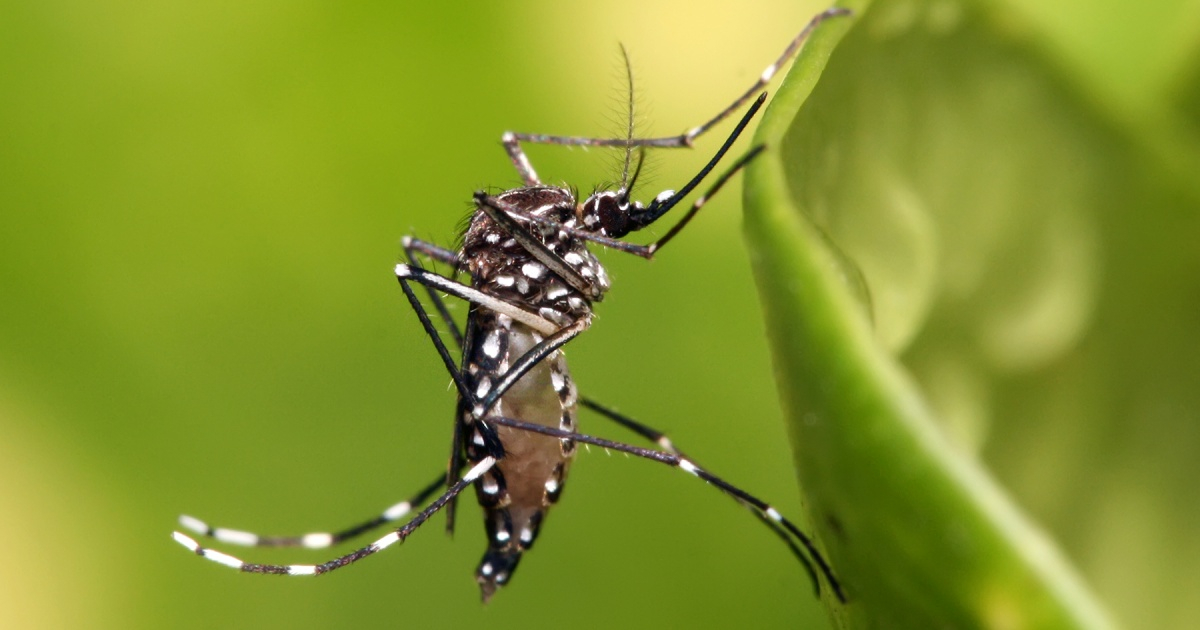
Dengue is not transmitted from person to person; it is only contracted through the bite of an infected Aedes aegypti mosquito.
According to the DOH, “dengue can present as a flu-like illness, with severe muscle and joint pain, fever, and sometimes a rash.”
Respiratory symptoms are uncommon and usually occur within 14 days after the sting.
According to WSVN 7News, "symptoms usually last between four days and a week," and the disease rarely proves fatal.
The regional context exacerbates the alert
The case occurs during the peak mosquito season in southern Florida, which runs from mid-May to mid-October, when the heat and summer rains create ideal conditions for the proliferation of Aedes aegypti.
The regional scenario adds an additional layer of concern. Cuba, just 90 miles south of Florida, is experiencing an active dengue outbreak in 2026 with clusters in multiple provinces.
In July, Guantánamo reported 23 suspected cases with two municipalities at the "Alarm" epidemiological level, the highest risk category in the Cuban classification.
The authorities in Villa Clara confirmed the simultaneous circulation of serotypes DENV-2 and DENV-4 in the municipality of Ranchuelo, a combination described as particularly hazardous.
The Cuban Ministry of Health warned in June about the simultaneous presence of the four serotypes of the virus in the country, which increases the risk of severe forms of the disease, including hemorrhagic dengue.
In 2025, Cuba recorded over 81,000 infections and at least 65 officially recognized deaths from dengue and chikungunya.
The intense traffic of travelers between the island and Miami increases the risk of imported cases that, by biting local mosquitoes, can lead to indigenous transmission.
Recommended preventive measures
Miami-Dade authorities urge residents to take basic precautions to reduce exposure:
- Use repellent containing DEET, picaridin, lemon eucalyptus oil, or IR3535.
- Eliminate stagnant water in pots, pool covers, and outdoor containers.
- Cover the skin with long clothing and keep the door and window screens in good condition.
- Use mosquito nets for babies under two months old.
Miami-Dade residents can report mosquito outbreaks to 311 or through miamidade.gov.
Those who exhibit symptoms compatible with dengue should contact the DOH-Miami-Dade at 305-324-2400.
For additional information on prevention, the Florida Department of Health keeps its resource page on mosquito-borne diseases updated.
Related videos:
Filed under: