There are images of the reality of Cuba that hurt, but others simply tear at the soul.
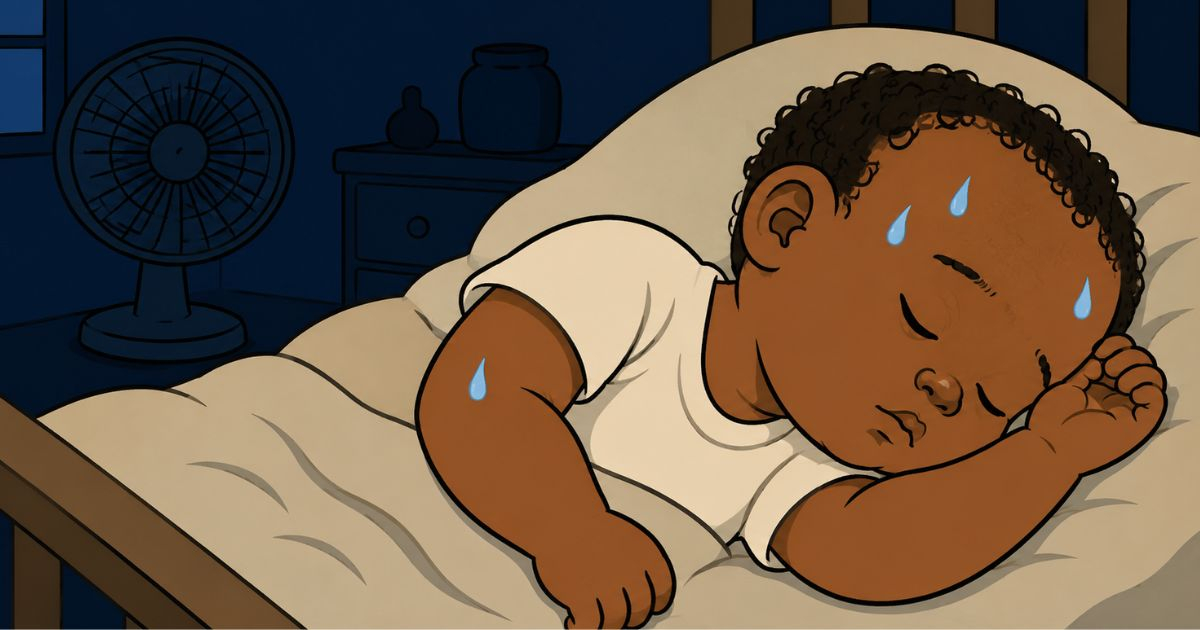
The photograph of a few-month-old baby sleeping in their crib, with a head soaked in sweat and enveloped in total darkness during a blackout, is one of those images that stays with you forever.
Arianna Fernández Tamayo posted on Facebook the original image along with an emotional and heartfelt message: "To those of homeland and death, to those of resistance, resilience, and the utopia that lies ahead. I hope that before their time comes, they pay in life for all the suffering they are causing to a nation."
However, due to its symbolic significance, it quickly went viral. Elvis Lobato, residing in exile, was .
He accompanied the photograph with a message that summarizes the outrage caused by the scene: «Images that hurt while the leaders live in luxury, and a suffering people that they imprison and repress for shouting their rights, that is the true dictatorship....».
In the image, the baby is lying on their side on a white sheet, arms close to the face, head visibly damp. There is no light. No visible fan. Just the oppressive heat of the Cuban summer.
The comments under Lobato's post capture it with a rawness that no official report could match.
"That's how all our nights as Cuban mothers are," wrote Dayaneisy Medina.
"What we mothers have to endure is beyond words; God, how long will this last?" said Misleidis Alarcón.
"Last night was extremely hot, what we went through was immense; we can’t take it anymore," added NMary Escalserra.
Some comments reflect the desperate ingenuity of those who have no other resources. "When I didn't have a rechargeable fan, I would fan myself with a piece of cardboard; at least they could sleep without sweating so much," recounted Cheylin Medina.
Others point directly to the regime's responsibility. "It breaks the soul, but they don't care," wrote Ofelia Martin.
"And they with the air at 17," Susana López sarcastically commented, referring to the leaders who remain oblivious to the crisis.
"Behind every blackout and every day without water, there is a child who cannot sleep, an elderly person suffering from the heat, a patient who depends on medical equipment, a mother who cannot cook, or a family losing what little they had in their refrigerator," wrote Virgen Guadalupe in one of the most shared comments beneath the photo. A description that, in Cuba in 2026, is no longer a metaphor: it is the daily reality for millions of families.
This photo should go around the world, requested Luis Ernesto Álvarez.
Babies and young children are the most vulnerable: they regulate their body temperature poorly and depend entirely on adults for hydration and to stay cool.
With temperatures hovering around 31-32°C during the day and barely dropping to 23°C at night, summer nights in Cuba without electricity become a real threat to your health.
However, this is not the first time that power outages have led to this kind of testimony. A nine-month-old baby was burned while his family was cooking with charcoal during an outage in Santiago de Cuba in June.
In May, a mother showed her son's body covered in mosquito bites because she could not use nighttime ventilation, and the following month, children were sleeping in the entrance of a building in Havana to escape the heat without electricity.
The image is not an isolated case: it is the most vulnerable face of the worst electricity crisis Cuba has experienced in its recent history.
This summer of 2026, the National Electric System has collapsed at least five times, with three total nationwide blackouts occurring just in July. On July 8, the absolute historical record for deficit was registered: 2,341 MW of simultaneous impact.
This Saturday, a partial outage left several western provinces without electricity, with only 757 MW available against a demand of more than 3,200 MW, affecting about 4.5 million people.
Related videos:
Filed under: