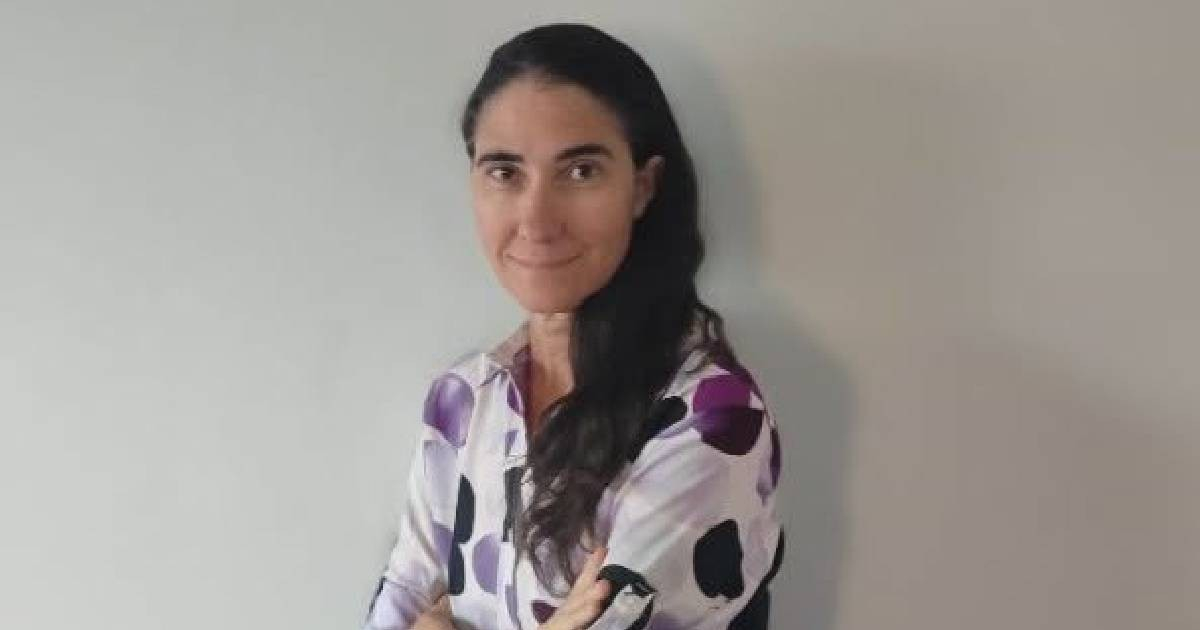
The journalist and founder of 14ymedio Yoani Sánchez published this weekend on Facebook a first-person account titled "The Days of the Fever", in which she recounts three days of severe illness in Havana with a nearly empty medicine cabinet, prolonged blackouts, and overwhelmed hospitals that led her to forgo seeking medical attention.
Sánchez describes symptoms consistent with chikungunya: fever over 39 degrees, sharp headaches, joint stiffness in the hips, knees, and ankles, throat inflammation, chills, diarrhea, and nausea.
At the onset of the illness, I only had two doses of dipyrone, no thermometer, and no oral rehydration salts.
"I begin to take stock of the medications and medical supplies I have on hand. There aren't many because the illness has hit my family and neighbors hard in recent months, so a good part of the first aid kit is empty. There are two dipyrone tablets left, there is no thermometer, and the oral rehydration salts have run out," he wrote.
When the fever escalated during the second night, Sánchez managed to get a thermometer, but she dismissed going to the hospital for reasons she explains candidly: “To the hospital? I respond, alarmed. There’s no electricity; in these conditions, I could never go down 14 floors by stairs, and just imagining that when I return the blackout is still there and the elevator isn't working makes my temples throb violently.”
The journalist also describes the state of emergency services: "The waiting rooms are packed with people like me: feverish, weak, and desperate. They can't do much for that wave of patients arriving. They lack the capacity to perform tests to determine what we have, and they don't even have syringes to administer an injection."
Sánchez attributes the infection to a mosquito bite, possibly during a visit to Central Park in Havana, and notes that no precaution was sufficient: "There is no way to prevent it in a city filled with mountains of garbage, mired in an epidemiological crisis and without a vector control campaign that reduces the presence of mosquitoes."
The narrative transcends personal experience to become a denunciation of the most vulnerable Cubans.
Sánchez envisions "Matilde" and "Pancho," elderly individuals living alone because their children have emigrated, facing the same illness without support or resources: "Although the virus is not significantly lethal, experiencing it alone in a country where even access to running water cannot be guaranteed and hospitals are overwhelmed and lack supplies increases the chances of not surviving."
The text is framed within a documented health crisis in Cuba that combines arboviral epidemics, shortages of medications, and extreme blackouts. The Pan American Health Organization recorded more than 51,000 suspected cases of chikungunya in Cuba from July 2025 to the end of that year, with 46 fatalities.
In April 2026, 461 out of 651 essential medicines were missing from the Basic Medicines List, and a survey from May indicated that only 4.8% of Cubans could obtain medications without difficulty. In July, Havana had barely 4% of its customers with electrical service, experiencing outages of up to 24 hours daily.
The MINSAP warned in June about a possible new dengue epidemic with the start of summer, while in February 2026, only 44 out of the 106 garbage collection trucks in Havana were operational, a situation that promotes the proliferation of the Aedes aegypti mosquito.
Sánchez concluded his account with an image of desolation and resilience: "I'm having my first coffee in many days, but it tastes bad. I will have to keep fighting against this."
Related videos:
Filed under: