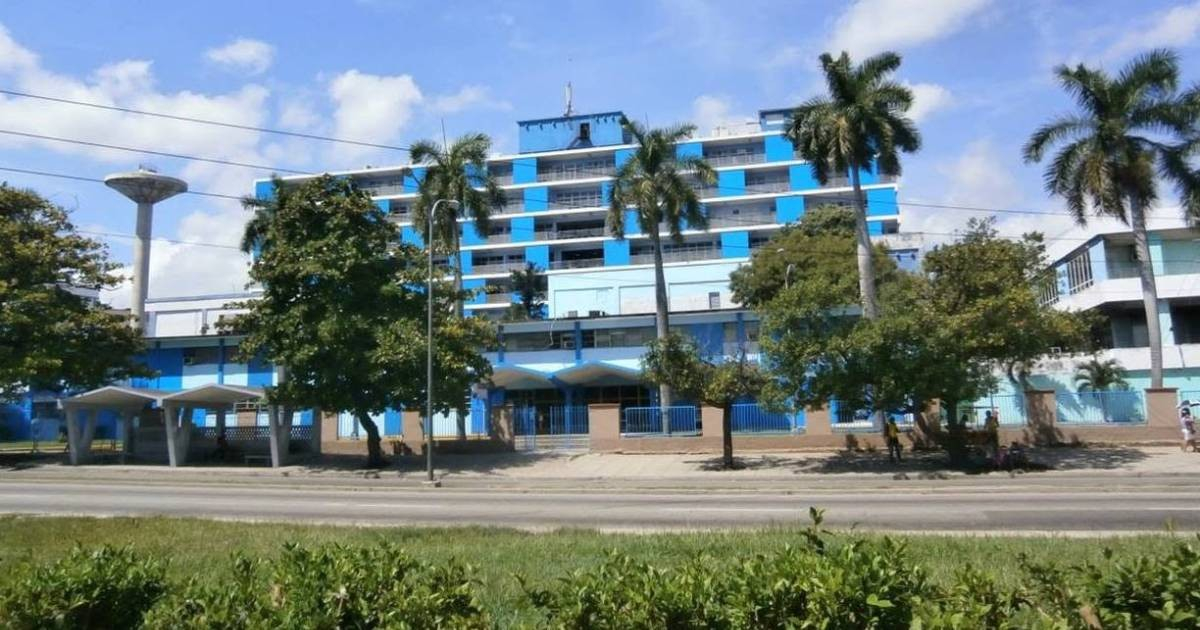
The Basque municipality of Legazpi has completed a solidarity campaign, raising 12,332 euros aimed at contributing to the electric supply of the William Soler University Pediatric Hospital in Havana, one of the pediatric healthcare centers in Cuba affected by the energy crisis facing the island.
The initiative, called Legazpitik argia Kubara ("From Legazpi, light for Cuba" in Basque), mobilized merchants, hospitality workers, sports clubs, the Hotz Legazpi association, and members of the Cuban community residing in that locality of Guipúzcoa for several months, as reported by the promoting collective through El Diario Vasco.
The funds have already been transferred to the Euskadi-Cuba association, which is responsible for carrying out the electrification work at both the "William Soler" and other hospitals benefited by the project.
"Those of us who launched this humanitarian campaign want to thank Legazpi for their commitment. Those who share in the suffering of others are an example of solidarity," expressed the group while announcing the conclusion of the fundraising efforts.
The organizers also ensured that they would monitor the distribution of the aid. "In the coming months, we will track the progress of the work at the William Soler University Pediatric Hospital as well as at other hospitals being electrified in Cuba," they stated.
The initiative is part of a broader solidarity effort driven from the Basque Country to mitigate the impact of prolonged blackouts in Cuban healthcare facilities.
In April, Euskal Herria-Kuba Ekimena and Euskadi-Cuba launched another campaign to install a photovoltaic solar energy system at the William Soler Hospital clinic. The initiative initially raised 180,000 euros in one month and later reached 244,000 euros, thanks to 1,255 donations.
The Havana hospital has become one of the main recipients of these projects due to the impacts caused by the electrical crisis. In October 2025, patients' families reported that the center was "completely overwhelmed", with emergency services overloaded, a shortage of staff, and a lack of supplies.
Months later, in March, The New York Times captured the impact of the blackouts on the hospital, describing silent wards during the power cuts. The situation persisted in July, when large areas of Havana continued to suffer prolonged electricity service interruptions.
Legazpi is not the only Spanish municipality to promote such initiatives. The Spanish Agency for International Development Cooperation (AECID) completed in April the shipment of 18 photovoltaic systems intended for Cuban health centers. Two months later, several Catalan municipalities approved a joint donation of 20,000 euros for the installation of solar panels in hospitals in Santiago de Cuba.
The campaigns aim to strengthen the operation of healthcare facilities that are particularly vulnerable to power outages, with the goal of ensuring the continuity of essential services for thousands of patients, including children receiving specialized medical care.
Related videos:
Filed under: