
Related videos:
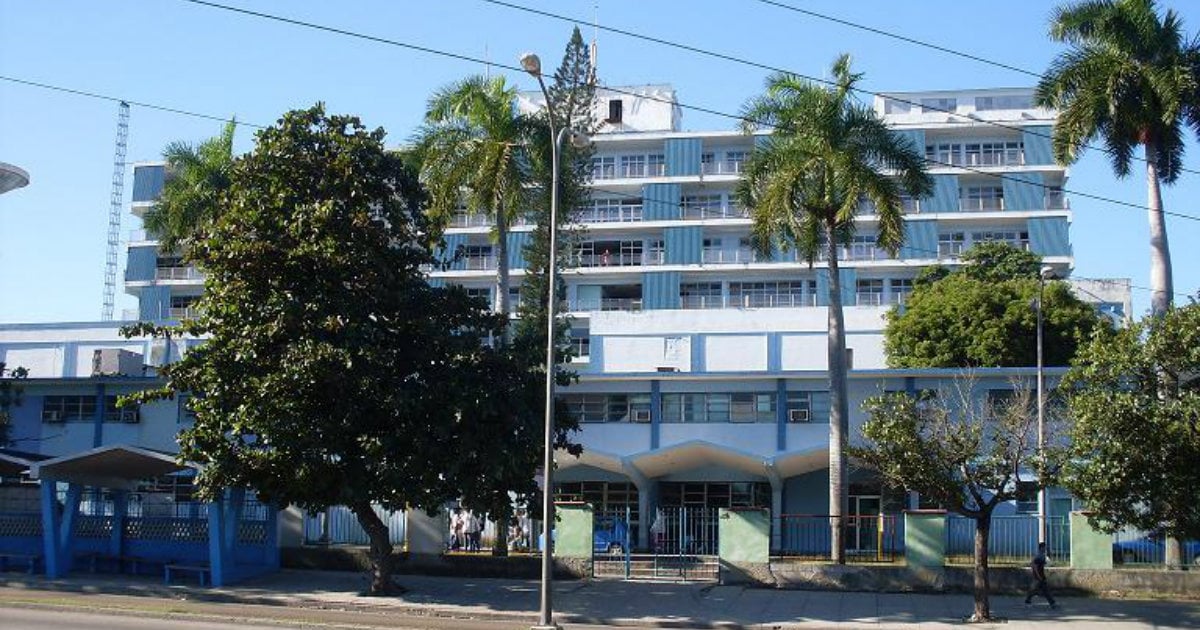
The William Soler Pediatric Hospital in Havana is completely overwhelmed, with overcrowded emergency rooms, staff shortages, and a lack of supplies, according to complaints shared by patients' relatives.
In the reports shared by the page of La Tijera and Saúl Manuel on this Saturday, there is a complaint from parents and caregivers describing long waits, stagnant lists, and precarious conditions within the center.
According to testimonies, in sensitive areas of the hospital “there are only two students and one doctor” to care for a continuous influx of patients, including newborns.
This is compounded by hygiene issues: "let's not even talk about the bathrooms," summarizes one account, in a scenario that families describe as chaotic in light of the increase in fever cases and complications consistent with dengue.
A father recounted that, after arriving with his daughter who was experiencing worsening vomiting, he was placed on a list that did not move for three hours; he described other frustrated parents and an entry into the service “practically by force” when the girl’s condition deteriorated.
“It’s truly a chaos,” she said while calling for immediate attention for the patients deteriorating in the waiting area.
Another complainant reported that her friend's son was sent home twice due to a lack of medication and ended up dehydrated. She stated that the family had to buy intravenous fluids on the street and even the complete equipment to administer them.
"There are no medications for vomiting, there is nothing," she added, while questioning a criteria for care that—according to her—only prioritizes severe cases due to shortages and conditions the administration of drugs to pregnant women and children under 12, leaving the rest "to fend for themselves."
In this context, relatives reported two deaths of children due to hemorrhagic dengue, a fact that heightens the concern about the system's ability to respond to peaks in pediatric demand and to ensure the most basic supplies in a national reference hospital.
The situation, described by families as unsustainable, highlights the urgent need for increased staffing, the supply of medications and fluids, and improvements in hospital hygiene to prevent further fatal outcomes and avoidable complications in pediatric patients.
A similar situation was reported in early October in Matanzas, when authorities informed that the Provincial Pediatric Hospital Eliseo Noel Caamaño was operating under maximum pressure, with bed occupancy at its limit due to the increase of viral illnesses in the province.
The center's management reported a high influx of income and reorganized services to respond to the peak in demand.
Additionally, they moved to redistribute patients to other facilities within the province to decentralize hospital care.
Health crisis in Cuba
In an update on the health crisis in Cuba, the official explained that during the past week, there was a significant increase in nonspecific fever syndromes, with 109 municipalities reporting more cases for this reason, and that the positivity rate of IgM for dengue also rose, indicating active transmission in several provinces.
He mentioned among the most affected areas Guantánamo, Matanzas, Sancti Spíritus, Ciego de Ávila, and Villa Clara.
The deputy minister added that, although there is a decrease in acute respiratory infections, viral circulation persists. Therefore, she urged the need to maintain individual protective measures, especially with the increase in rainfall, which can affect water quality and promote the proliferation of vectors.
Filed under: