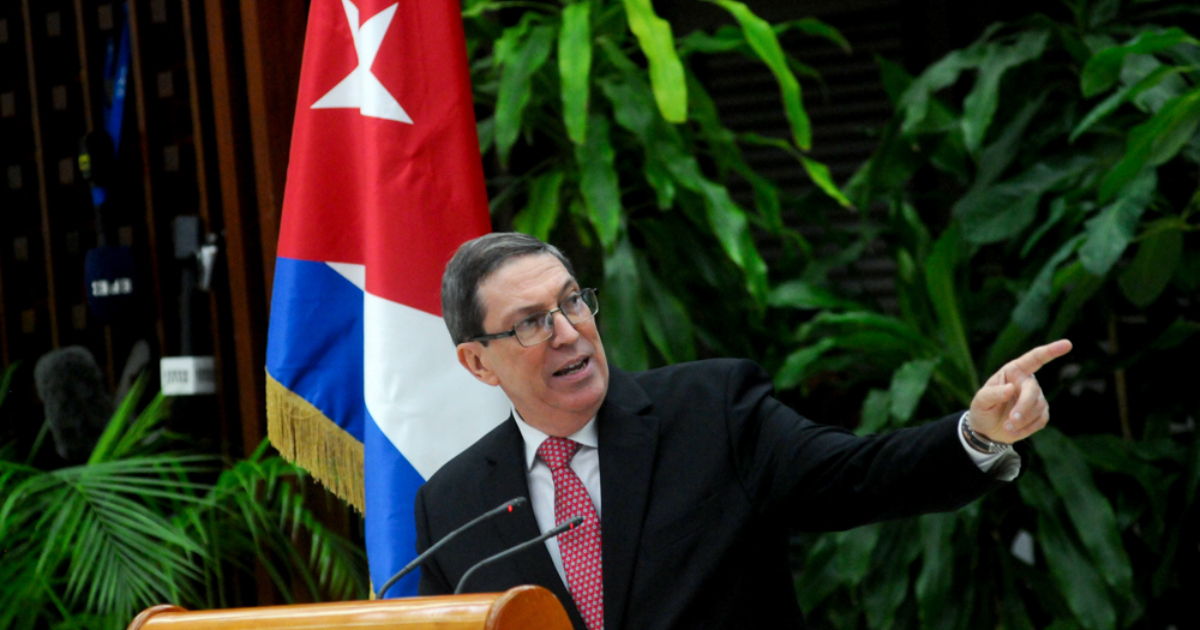
The Cuban Foreign Minister Bruno Rodríguez Parrilla blamed the U.S. embargo for the electrical collapse that has left Cuba in darkness.
"Disruptions of the national electric system (SEN) are a direct consequence of the genocidal blockade by the U.S. against Cuba, particularly the energy blockade," Rodríguez said in a social media post.
According to the chancellor, the United States embargo on Cuba not only hinders the free importation of fuels but also "blocks the entry into our country of necessary parts and components for the National Electric System, prevents collaboration with experts from other nations, and complicates access to international financing."
The statements come after the sixth total collapse of the national electrical system so far in 2026, recorded on Sunday, August 2. Havana woke up on Monday with only 14% of the supply restored.
Washington's position
On Monday, Joshua Treviño, senior director of the Western Hemisphere Initiative, stated on Fox News that blackouts could have an immediate solution: "The lights could be turned on tomorrow if they chose to relinquish their control over power."
Treviño also linked the Cuban energy crisis to the capture of Nicolás Maduro on January 3rd and recalled that "many of the combat troops that U.S. forces faced in Caracas were Cuban. The Cuban dictatorship was the main sponsor of Maduro's dictatorship."
In May, Secretary of State Marco Rubio dismantled the argument that the oil blockade is responsible for the blackouts in Cuba. He pointed out that the island resold 60% of the Venezuelan oil it received for free. The real problem is that this supply vanished after Maduro's fall.
Rubio then described the Cuban government as a "failed state" run by "incompetent communists" who "don't know how to fix" the country's situation.
The crisis of the Cuban electrical system
In addition to the fuel shortage, the technical condition of Cuba's power plants is poor. The Antonio Guiteras thermoelectric plant, the largest in the country, has experienced successive unscheduled outages in 2026—17 as of July 3—and has not received major maintenance since 2010.
The Minister of Energy, Vicente de la O Levy, admitted on July 30 before the National Assembly that there are communities that have been without electricity for up to 105 consecutive days and that the crisis "does not have a short-term solution."
Joshua Treviño also commented in his statements on Monday that it is impossible for the United States to know when the blackouts in Cuba will end. "There is no limit to the amount of suffering that the Cuban communist regime is willing to inflict on its own people," he stated.
Related videos:
Filed under: