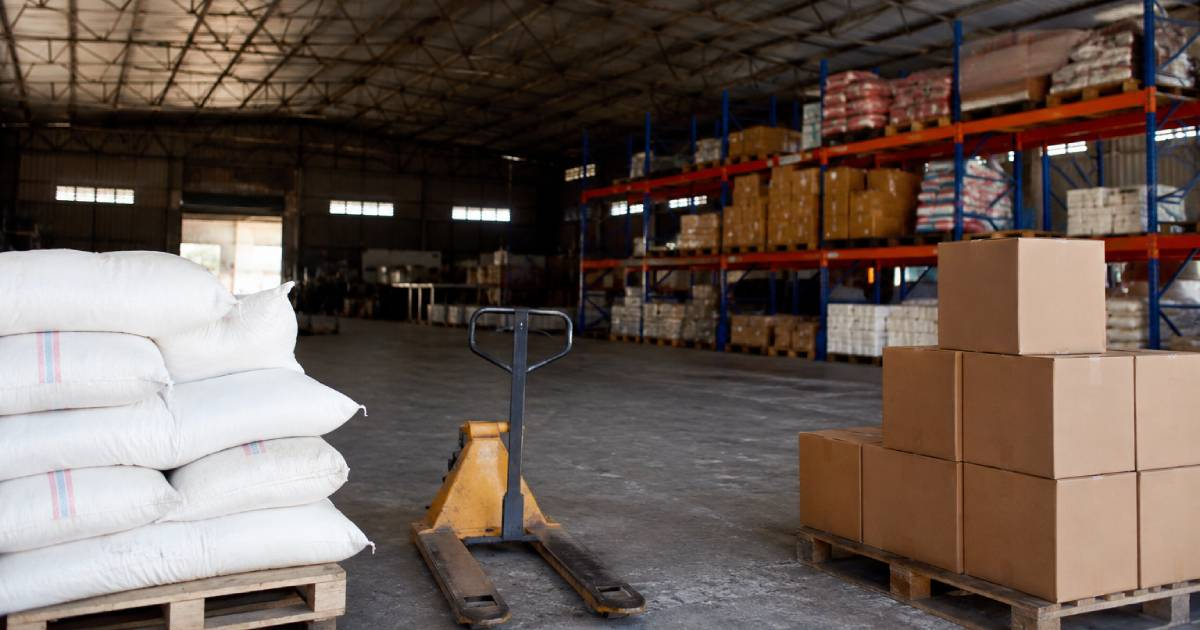
The Cuban regime took a new step in its plan for restructuring commerce with the creation of Mercado de Abasto.cu, a wholesale market model that will allow the sale of everything from food and supplies to raw materials, both in Cuban pesos (CUP) and in foreign currency, involving state enterprises, small and medium-sized enterprises, producers, importers, and even foreign investment modalities.
The measure was officially established this Tuesday through the , published in the Extraordinary Official Gazette No. 84, which sets forth the regulations for the operation of this new commercial system.
According to the resolution, Mercado de Abasto.cu is conceived as an alternative to reorganize wholesale trade and facilitate direct access for both individuals and legal entities. The text defines these markets as spaces where sellers and buyers converge to carry out multiple transactions based on the principle of supply and demand, with wholesale sales in various formats.
Authorized participants include state-owned enterprises, non-state management forms, national and local producers, importers, marketers, and foreign investment modalities.
How will they work?
The regulations state that these markets must be established in urban or suburban areas with good access roads, adequate parking for vehicles, and designated areas for cargo transport. Additionally, they may operate from warehouses, large stores, or open spaces that meet the necessary conditions.
The administration may be managed by one or several parties, responsible for organizing the market's operations through contracts with participants and providing logistical services.
Among the main operational rules are:
- Prioritize the sale of supplies, raw materials, food, and other high-demand products.
- To sell exclusively to wholesalers, although each seller may define the lots or minimum quantities for individuals.
- Promote membership systems with discounts for frequent customers.
- Operate in both Cuban pesos and foreign currencies.
- Issue invoices for all operations.
- Ensure electronic payments.
- Incorporate e-commerce, including payments made from abroad.
- Implement environmental policies and recycling of recoverable inputs and raw materials.
A measure announced since June
The creation of Mercado de Abasto.cu is not a surprise. In June, the Cuban government announced a comprehensive package of 176 economic measures, including the reorganization of wholesale trade and the establishment of new supply markets.
At that time, the authorities presented these initiatives along with other reforms such as the easing of restrictions for small and medium-sized enterprises (mipymes), the removal of the limit on the number of workers in private businesses, the possibility of creating multiple companies, and the opening up to foreign franchises, as part of a strategy to stimulate the economy.
The new resolution now establishes as a standard , although key aspects such as the schedule for the opening of these markets, their distribution by provinces, and the actual capacity to ensure a stable supply of products in a country marked by chronic shortages of food, raw materials, and supplies for the private sector still remain to be clarified.
The regulation came into effect on August 4 with its publication in the Official Gazette, while the provincial and municipal offices of Commerce will be responsible for overseeing its compliance.
Related videos:
Filed under: