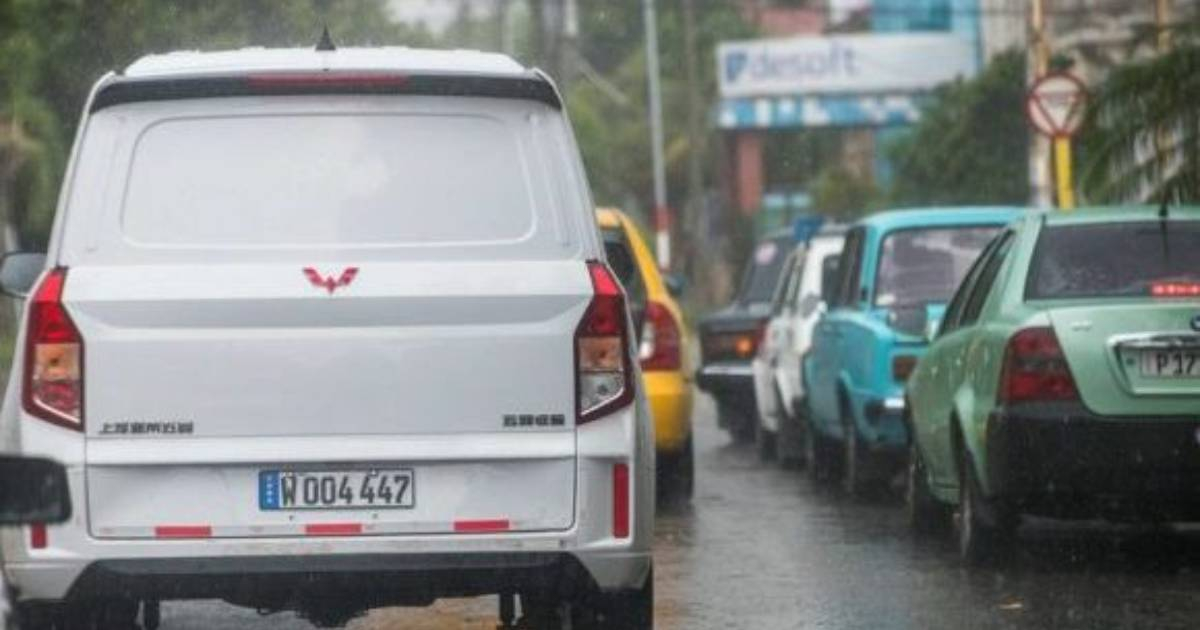
The new regulations package approved by the Cuban government not only modifies the rules for buying, selling, and assembling vehicles. It also expands who will be able to import cars, although the benefit will not be equally available to everyone.
, published this Tuesday in the , establishes several categories of individuals and entities authorized to import motor vehicles, but reserves some of the greatest benefits for specific groups, such as Cuban personnel from diplomatic, consular, and state business missions, cooperators, professionals, other workers contracted abroad, and crew members.
The measure is part of a broader reform of the transfer of ownership, commercialization, and importation of vehicles approved by the Cuban government.
What Cubans will be able to import a car that seats up to eight passengers?
One of the main updates is that certain Cuban citizens will be able to import, for a one-time occasion, a combustion, hybrid, or electric vehicle with a capacity of up to eight seats.
The authorization benefits:
- Personnel from state diplomatic, consular, and business missions who have resided abroad for at least two uninterrupted years.
- Cuban cooperators, professionals, and other workers who work abroad through contracts between Cuban state enterprises and foreign companies or intergovernmental or interministerial agreements, provided they remain for at least two uninterrupted years on the mission.
- Crew members of ships and aircraft contracted in accordance with the specific regulations of their activities.
These individuals will be able to import the vehicle from the country where they are on mission or from a third country where they fulfill it, through an authorized importing company. They can also acquire it in Cuba from one of the authorized trading entities for this purpose.
Additionally, those who receive this authorization will be exempt, for one time only, from the payment of the Special Tax on Products and Services associated with that operation.
And what about the rest of the citizens?
The decree also maintains import options, of a non-commercial nature, for Cuban and foreign natural persons who are permanent residents.
Among them are:
- Up to two mopeds or electric motorcycles (or one of each type).
- A combustion or hybrid motorcycle of up to 250 cc every five years.
- An electric or hybrid tricycle every five years.
- A combustion tricycle of up to 250 cc every five years.
- A fully electric car, por única vez, siempre que se importe junto con una estación de carga alimentada por fuentes renovables de energía, cuya importación estará, además, exenta de impuestos y aranceles.
In other words, for the majority of citizens, the possibility of importing conventional cars remains closed, while combustion vehicles with up to eight seats are reserved for the special categories outlined in the regulation.
The new provisions maintain the possibility for diplomatic missions, consular offices, international organizations, and their accredited personnel in Cuba to import vehicles, in accordance with current technical regulations and the limits established by the Ministry of Foreign Affairs.
Everything must be done through authorized entities
The decree stipulates that operations must be managed through import and commercial companies authorized by the State, following the procedures established by the relevant ministries. Additionally, beneficiaries will need a guarantee issued by the corresponding agency to prove that they meet the required criteria.
A resolution from the Ministry of Foreign Trade and Foreign Investment authorized 17 state-owned companies to carry out these operations and manage imports intended for both residents and Cuban workers benefiting from the new regime.
A broader reform of the automotive market
These provisions are part of the package of regulations published on August 4, which also modifies the rules for the buying and selling of vehicles, the transfer of ownership, national assembly, and the import of engines, chassis, and other parts. CiberCuba has explained other aspects of the reform, such as the new rules for importing vehicles and components, the changes in the transfer of ownership, and the role of the Automotive Media Evaluation Committee in deciding which brands and models will be allowed to be sold on the island.
Related videos:
Filed under: