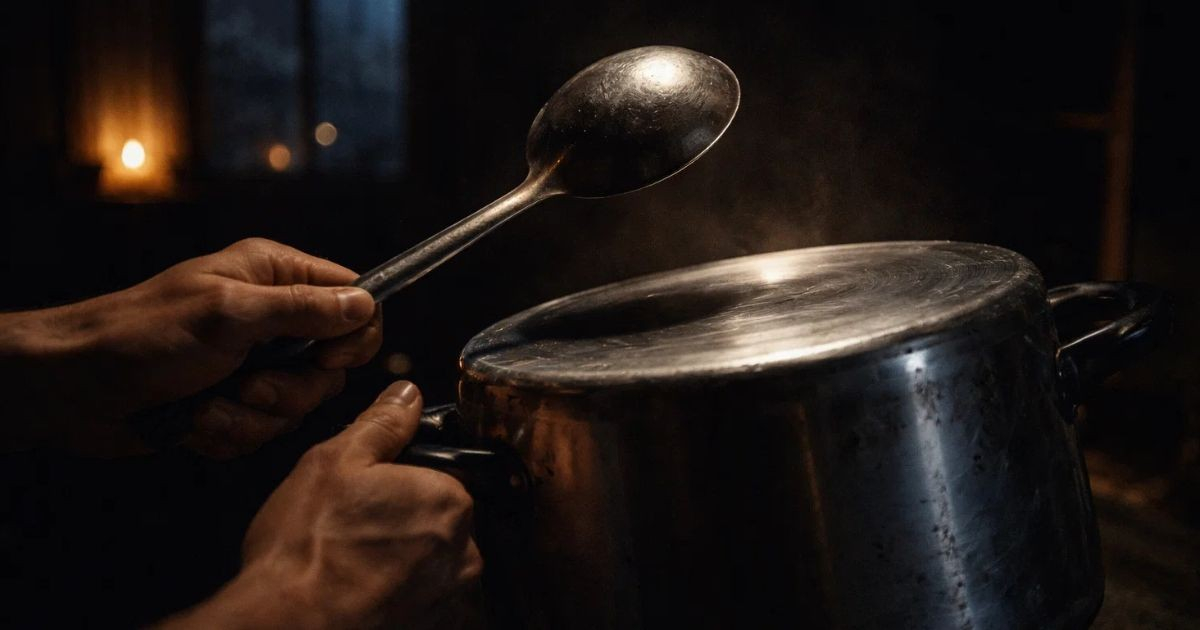
Neighbors from the municipality of Plaza de la Revolución in Havana staged a pot-banging protest this Tuesday, reported in real-time by CubaNet Noticias and independent journalist Yosmany Mayeta Labrada through their Facebook accounts.
The protest carries exceptional symbolic weight: that municipality is home to the Palace of the Revolution, the seat of the Cuban government, the Central Committee of the Communist Party of Cuba, and the main monuments of political power on the island.
The outbreak of pots and pans occurs amidst a double crisis impacting Havana residents simultaneously. On one hand, the Electrical Union forecasted a mere availability of 933 MW this Tuesday against a demand of 3,250 MW, resulting in a deficit of 2,317 MW and estimated disruptions of up to 2,347 MW.
The protest comes shortly after a breakdown at the Canasí collection center that left seven municipalities in the capital without manufactured gas since Monday, including Plaza de la Revolución, Habana Vieja, Centro Habana, Cerro, 10 de Octubre, Playa, and Marianao. The state-owned company CUPET had promised to restore the supply "by the morning hours of Tuesday, August 11."
The pot-banging protest this Tuesday is not an isolated event, but rather the most direct escalation to the political heart of the capital amid a wave of protests that has been growing in intensity and closeness to power for months.
In March, neighbors in Nuevo Vedado held a pot-banging protest a few blocks away from the Palace of the Revolution, and days later, the pot-banging protests reached in front of the PCC Central Committee in El Vedado during power outages lasting over 30 hours.
In June, the Boyeros and Tulipán area, within the same municipality, protested for several days due to power outages. On July 17, a new cacerolazo shook El Vedado after more than 30 hours without electricity.
At the end of July, residents of El Fanguito blocked Avenida 23 after more than 48 hours without electricity, water, or gas, also within the Plaza de la Revolución municipality.
The energy collapse fueling these protests is systemic. The National Electric System experienced its seventh total blackout of the year on August 3, and power outages have exceeded 87 hours in Matanzas and 20 hours daily in circuits of Havana.
The regime has insisted on attributing the collapse to the U.S. embargo, but the population responds with pots and pans and, on several occasions, with slogans that go beyond demands for basic services: "We want freedom," protesters have shouted in various parts of the capital in recent months.
The power outage forecast for this week does not bring any hope for relief, and the unfulfilled promise of manufactured gas leaves seven municipalities in Havana without one of their most essential basic services.
Related videos:
Filed under: