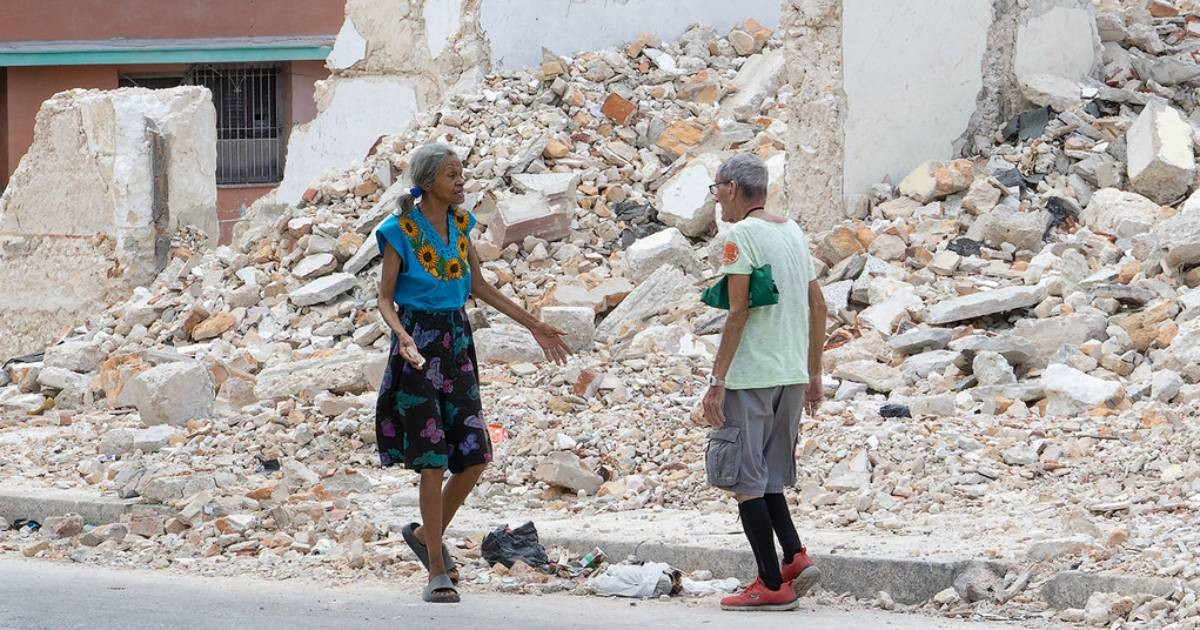
Russian scientists are working on technologies that could extend human life to 150 years, an ambitious goal that stands in stark contrast to the demographic crisis in Cuba, where fewer people are being born and deaths nearly double the number of births.
Olga Tkacheva, director of the Scientific and Clinical Center for Gerontology at Pirogov University, explained this Monday to the Russian agency TASS that reaching such an age would require much deeper advancements than simply maintaining a healthy diet or exercising.
"If we talk about a substantial increase in maximum life expectancy, lifestyle changes alone will not be enough. To push this limit back, disruptive technologies will be required, including gene engineering therapy and regenerative medicine," he stated.
The center has already synthesized senolytic molecules—compounds designed to eliminate aged cells that can harm tissues—that are ready to begin clinical trials. It is also developing tools to calculate biological age and strategies to address issues associated with aging, such as the progressive loss of muscle mass.
Tkacheva recalled that the documented record of human longevity so far is 122 years.
The idea of reaching 150 years had already been mentioned at the highest political level. In September 2025, an open microphone caught Vladimir Putin and Xi Jinping discussing the possibility of living to that age thanks to advances in biotechnology and organ transplants.
For Cubans, the aspiration is not entirely unfamiliar. In 2003, Dr. Eugenio Selman-Housein Abdo, who had been part of the team that cared for Fidel Castro for decades, created the so-called “Club of 120 Years”, which gathered thousands of people from various countries.
Selman-Housein even claimed in 2011 that Castro could live to be 140 years old. The Cuban dictator died in November 2016, at the age of 90.
More than two decades after those promises of longevity, Cuba's demographic reality is heading in the opposite direction.
In 2025, deaths nearly doubled births in Cuba: there were 136,214 deaths recorded compared to just 68,064 births, according to official figures.
Infant mortality has also
This is compounded by the mass exodus, low birth rates, and an aging population, while the fertility rate remains well below the level necessary to ensure generational replacement.
The contrast between the Russian announcement and daily life on the island did not go unnoticed by the readers of Cubadebate, which also spread the news.
"Russia is making progress to extend life with advanced technology, while in Cuba we're cooking with firewood and charcoal," commented a user. "It's a good thing we won't live to be 150," she added, sarcastically.
Since April, Russia has also maintained a state program dedicated to researching longevity technologies, including gene therapies aimed at intervening in mechanisms related to aging.
While Moscow attempts to find ways to extend human life to 150 years, Cuba faces a much more immediate challenge: halting a demographic contraction marked by fewer births, increased deaths, and a sustained outflow of the population from the country.
Related videos:
Filed under: