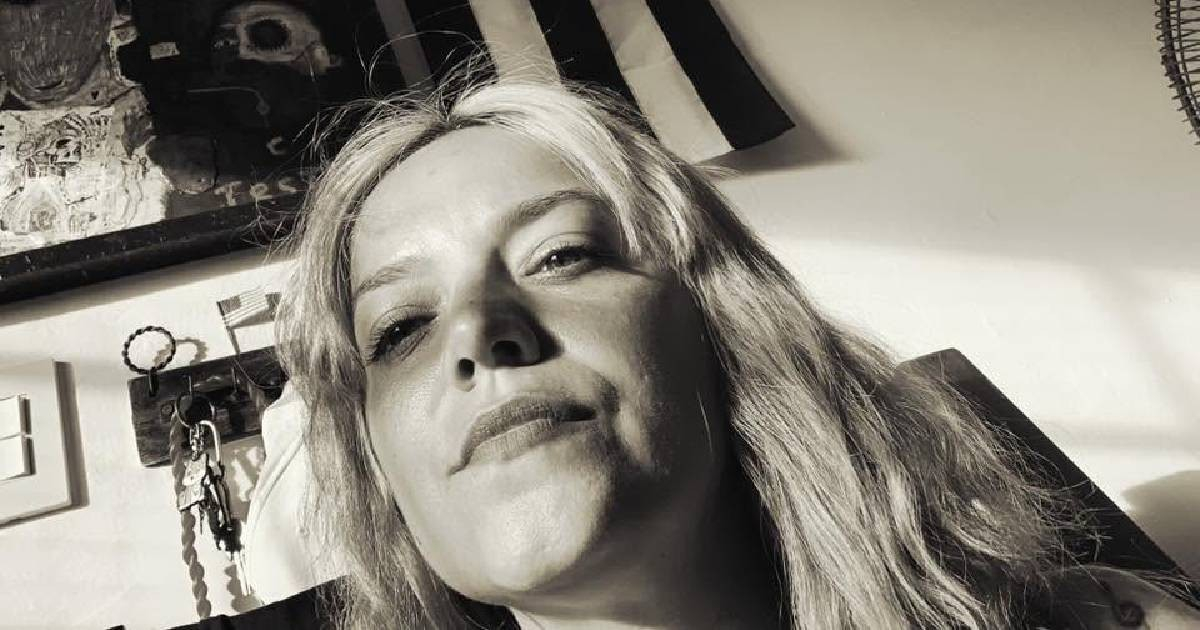
The activist Aylín Sardiña Fernández reported this Thursday, through her Facebook account, that she received an official summons from the Ministry of the Interior to appear this Friday, August 28, at 1:00 PM before the 6th Station of the Revolutionary National Police (PNR) in the municipality of Marianao, Havana.
The document states that the reason is an "interview" and warns that failure to appear may result in a charge of disobedience with a fine ranging from 100 to 300 units.
Sardiña claims that the summons comes after several days of harassment towards his family. "After several days of harassment towards my family (my mother and my brother), also my father in Los Arabos, I received this summons," he wrote in his post.
The activist was firm in rejecting any justification for the persecution: "I have committed no crime. Neither my family nor I deserve to be harassed by State Security simply for thinking differently."
In his complaint, Sardiña also contrasted the regime's priorities with the security crisis that the population is experiencing. He pointed out that he has just returned from Colón, in Matanzas, "where it is almost impossible to go out on the streets due to the violence and crime that prevail there, which is not a priority for the authorities in this country. The priority is anyone who does not share their ideals."
This description aligns with a documented reality: on July 23rd, adeadly shooting occurred in front of a bar in Colón, and Matanzas led the country in crime in 2025 with 503 verified offenses according to the Cuban Citizen Audit Observatory.
The 6th Station of the PNR in Marianao is not unfamiliar with these types of cases. In July, activist Gisselle Ordóñez Milián was summoned before that same unit and reported an interrogation lasting several hours involving threats and pressure through her younger son.
Organizations like Cubalex have documented that summons for "interviews" are, in practice, interrogations by State Security, and that harassment of family members is a common pressure tactic against activists.
The repressive pattern in 2026 is sustained. The Cuban Observatory of Human Rights (OCDH) reported 332 repressive actions just in May, with the police siege of activists' homes being the most common violation.
Sardiña, for her part, is not a new figure in Cuban activism. In April 2022, she was one of the main organizers of the march against animal abuse that the government prohibited, and she was cited by the police at that time. Subsequently, she has organized community solidarity events, such as free haircuts in Havana churches.
In light of the uncertainty about what may happen, the activist urged her followers to share her statement and remain vigilant: "I represent NO danger to society. Quite the opposite. I have always tried to maintain a stance of goodness, fairness, and respect for others. Yet, today I am treated like a criminal."
Related videos:
Filed under: