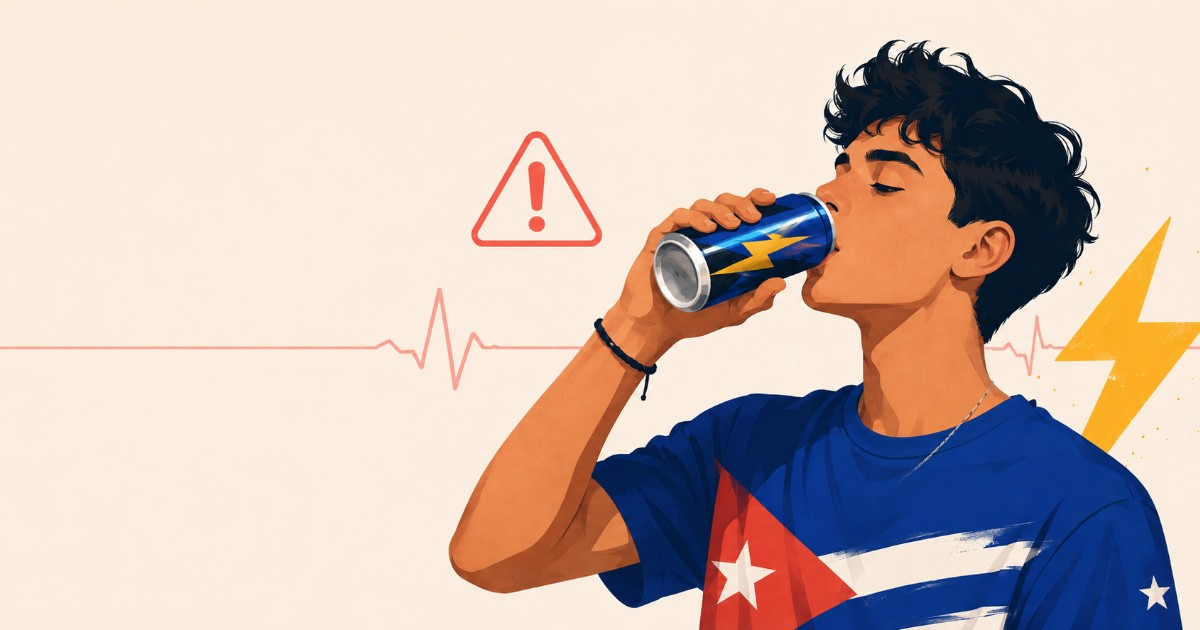
A Cuban doctor issued a strong warning about Shaka, a drink that combines alcohol and stimulants and has gained popularity among the youth on the island, noting that those who consume it regularly may face serious cardiovascular and neurological consequences.
The alert was reported on Saturday by the newspaper Juventud Rebelde, which interviewed Dr. Julio César Hernández Perera, a specialist in Internal Medicine, full professor at the University of Medical Sciences of Havana, and a full member of the Academy of Sciences of Cuba.
" what I want to highlight is that almost half of the young people who consume these drinks regularly are playing Russian roulette with their hearts, and one in three is putting their mental stability at risk," stated Hernández.
The specialist stated that the term "energy drink" can convey a misleading image of these products and specifically warned about the combination of stimulants with alcohol, as occurs with Shaka Mixer Energy-Vodka.
"When this mixture is combined with alcohol—like in the famous Shaka Mixer—the danger doubles because it masks the signs of alcohol intoxication and leads young people into a false state of alertness that can end in medical emergencies," she pointed out.
According to the report, Shaka Mixer Energy-Vodka is sold in 250-milliliter cans, has an alcohol content of 18%, and combines vodka with sugar, vitamins, taurine, and caffeine.
There are also different flavors, including strawberry, coconut, apple, and mixed fruits.
Hernández listed among the possible effects of stimulant overload tremors, dizziness, migraines, chest pain, palpitations, fainting, sleep disturbances, and daytime fatigue.
The doctor also stated that, according to the scientific evidence he referred to, nearly 45% of the cases associated with the regular consumption of these beverages would present acute cardiovascular issues, such as hypertension, tachycardia, and other arrhythmias, while 33% would experience neuropsychological disturbances like anxiety, panic, and hallucinations. However, the article does not specify the publications or studies from which these percentages are derived.
The specialist also warned about a potential cycle of repeated consumption: the young person sleeps poorly, feels tired the next day, and turns to these drinks again in an attempt to stay awake.
"The best option is to completely avoid these beverages," said Hernández, who noted that doctors recommend zero consumption for those under 12 years old and a strict limitation for those between 12 and 18 years old.
Hernández concluded his warning with a call not to be swayed by advertising: "Don't buy the label, buy the evidence."
According to the specialist, the apparent energy provided by these drinks does not translate into a real benefit for the body, especially among adolescents and young people.
The state newspaper's report also included a survey conducted in Havana among 50 young people aged between 18 and 28, 30 of whom were men.
According to their results, some admitted to consuming Shaka for fashion reasons, under the influence of their friend group, or simply to try something new.
Among the testimonies is that of David Alejandro Martínez, 23 years old, who stated that during a gathering with friends, he consumed six cans and subsequently experienced a severe tachycardia, dizziness, and an entire night without being able to sleep.
My heart started pounding like an uncontrollable punch, recounted the young man, who stated that after that experience, he decided not to consume the drink again.
The new warning comes after it was reported that five young people aged 18 to 22 were treated in a hospital in Sancti Spíritus for intoxication associated with the consumption of Shaka. Four exhibited symptoms such as headaches, vomiting, sweating, and tachycardia, while one young woman arrived in a coma and required mechanical ventilation for 24 hours.
Concerns are not new either. In early August, Public Health authorities had already warned about the popularity of Shaka among Cuban teenagers and young adults and potential effects such as palpitations, increased blood pressure, anxiety, tremors, irritability, and insomnia.
Related videos:
Filed under: