Exports of fuels, gasoline, kerosene, oils, and other petroleum derivatives from the United States to Cuba totaled 156.8 million dollars between January and July 2026, in a surge that has significantly accelerated in recent months.
The U.S.-Cuba Trade and Economic Council reported this Tuesday that in July alone, exports of those products to the island amounted to 61.1 million dollars.
The data shows the speed at which this trade flow is growing.
At the end of the first semester, Cuban buyers had purchased nearly 95.7 million dollars in American fuels.
With the operations in July, the cumulative total increased by about 64% in just one month.
Julio even surpassed June, which up to that time had marked a significant increase in these operations with 47.8 million dollars in petroleum derivative products.
The value recorded in July was nearly 28% higher.
The contrast with the first months of the year is even greater: between January and March, Cuba had imported only 11.6 million dollars in fuels and oils from the United States.
Seven months later, the accumulated figure is more than 13 times higher.
The tables published by the Council show that during July, shipments primarily left from Miami and Houston, although there were also operations from New Orleans and Tampa.
Among the highest-value products are unleaded gasoline, light fuel oils, and other petroleum-derived oils.
kerosene, lubricants, greases, mineral oils, and liquefied propane also appear.
Only from Miami, the operations reflected in the July tables amounted to 31 million dollars, while those from Houston exceeded 26 million.
New Orleans contributed over $3.3 million and Tampa around $586,000.
The growth of these purchases occurs under the exception Support for the Cuban People (SCP) from the U.S. Department of Commerce, which allows, under certain conditions, the export of gas and other petroleum products of U.S. origin to Cuban private entities for private economic activities.
The authorization excludes operations primarily aimed at generating income for the Cuban state or contributing to its functioning.
In February, the Cuban government authorized small and medium-sized enterprises with financial capacity to purchase fuel abroad, a measure taken amidst the severe energy crisis the country is experiencing.
Purchases, however, had to be channeled through authorized state importers.
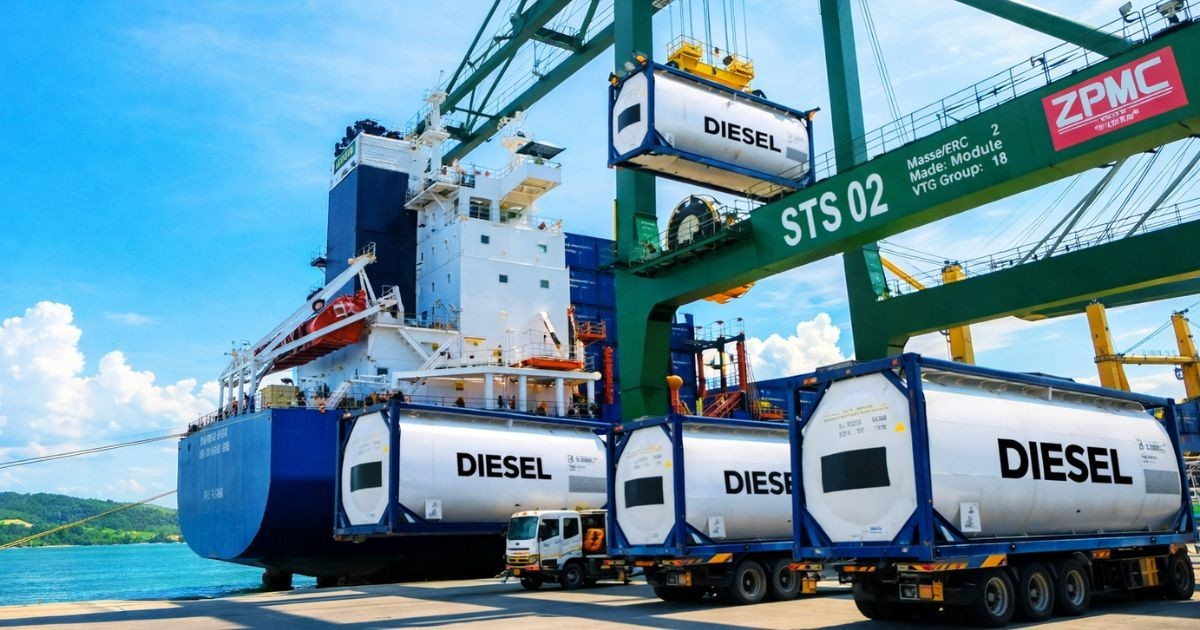
By June, U.S. fuel exports to Cuba were already showing strong growth, with hundreds of shipments of diesel and gasoline transported primarily in isotanks, a trend that continued to accelerate in the following months.
This openness to the private sector coexists, however, with a policy of increased pressure against the Cuban state energy apparatus.
On June 11, the United States sanctioned the Unión Cuba-Petróleo (CUPET), a state-run company that controls a significant portion of fuel importation, refining, and distribution on the island.
U.S. authorities have defended a policy that seeks to facilitate the supply for the Cuban private sector while restricting operations with state and military structures.
Related videos:
Filed under: