
Related videos:
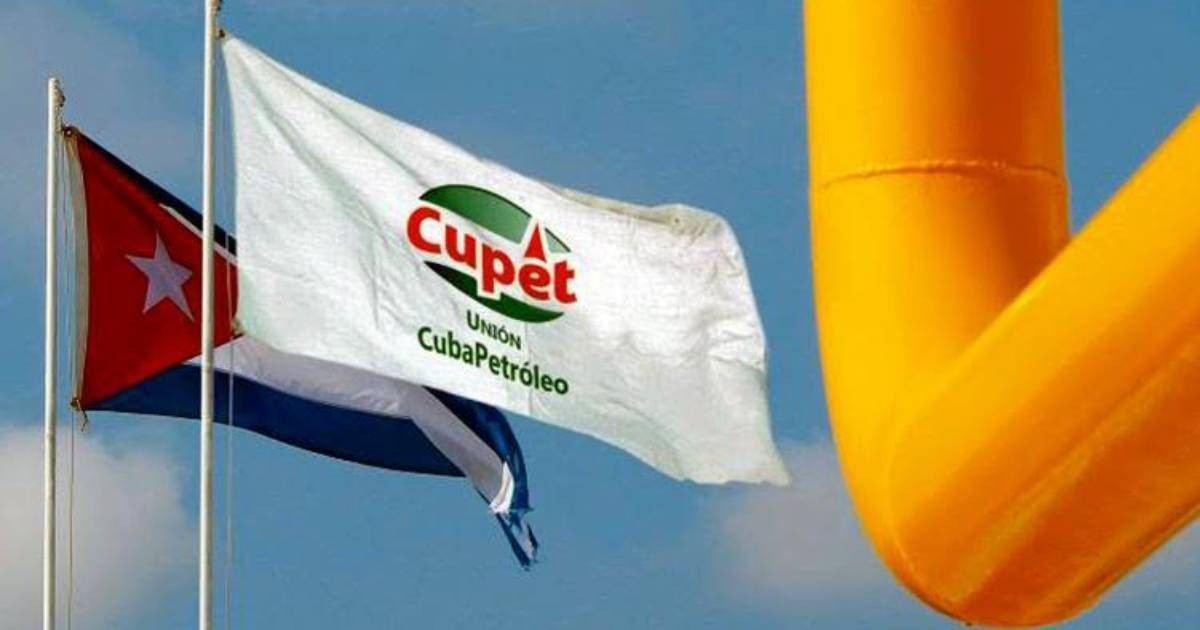
The administration of Donald Trump opened a new front of pressure against the Cuban regime this Thursday by sanctioning the state-owned Unión Cuba-Petróleo (CUPET), the company that controls the import, refining, and distribution of fuels on the island and is a key component for the functioning of the national economy.
The measure was announced by Secretary of State Marco Rubio under Executive Order 14404, signed by Trump on May 1, and it makes CUPET the second major Cuban state entity affected by this new sanctions scheme, following the military conglomerate GAESA.
According to Rubio, the decision is a response to the role that the energy sector plays within the power structure of the regime.
"The Cuban communist elites have wielded energy as a tool for social control and kleptocratic profit," stated the head of American diplomacy.
The State Department also accused Cuban authorities of using available fuel to sustain the privileges of the ruling elite and security apparatus, while the population endures prolonged blackouts and shortages.
"The regime has stolen and hoarded the available fuel, using it for the private plane of the Castros, the security forces employed to repress the Cuban people, to keep empty tourist hotels lit, and to transport people on buses for fake protests," Rubio stated.
The sanction comes just a day after the revelation of an agreement between the U.S. company Vanguard Energy and a Cuban importing entity to use CUPET facilities for fuel supply operations to the island.
The project involved shipments exceeding 250,000 barrels of gasoline and diesel per trip and was described by U.S. media as the largest fuel export plan from the United States to Cuba in over six decades.
However, just a few hours after the operation was made known, the State Department clarified that it had not granted any special authorization and reminded that the sanctions against the Cuban regime remain fully in effect.
With the inclusion of CUPET on the list of sanctioned entities, all its assets and interests in the United States are frozen. Additionally, foreign companies, banks, and other financial institutions that maintain business relationships with the company could face secondary sanctions, significantly broadening the scope of this measure.
The decision reinforces the pressure strategy championed by Trump since his return to the White House. On May 7, Washington sanctioned GAESA, the business conglomerate controlled by the Cuban Armed Forces and considered one of the main economic pillars of the regime.
Since then, the U.S. administration has insisted that it will continue to expand sanctions against entities and individuals linked to the Cuban power structure.
The offensive comes at a particularly delicate moment for the island. The energy crisis has worsened in recent months, with record deficits in electricity generation and blackouts that in some areas exceed 20 hours a day.
The decline in living conditions has also fueled a growing social discontent and an increase in civic protests in various regions of the country.
In announcing the new sanctions, Rubio made it clear that Washington considers the energy sector one of the next battlefields in its strategy against Havana.
"President Trump envisions a new future for the Cuban people with greater freedom and economic and political opportunities. Until then, we will continue to undermine the communist regime's ability to use its energy trade to promote its corrupt agenda and violently suppress the Cuban people," he stated.
With CUPET in its sights, the White House is now extending its pressure from the military and tourism sectors to the heart of the Cuban energy system, opening a new chapter in its offensive against the regime.
Filed under: