The Independent International Fact-Finding Mission of the UN on Venezuela concluded this Wednesday that the state institutions responsible for repression, serious human rights violations, and crimes against humanity in the country remain essentially intact, despite the nearly nine months that have passed since the capture of Nicolás Maduro.
The report, presented from Geneva, acknowledges partial progress following the U.S. military operation on January 3, 2026: a reduction in prolonged detentions, the release of hundreds of political prisoners, and slightly greater room for protests and civil society activity.
However, the mission warns that these changes have not been accompanied by any substantive institutional reforms.
The laws used to criminalize dissent remain in effect, intelligence services and security forces maintain their same structures and practices, and no measures have been taken to disarm or dismantle pro-government armed groups.
At least 19 officials previously identified by the mission as responsible for serious violations continue to hold —or have been reassigned to— key positions within the regime.
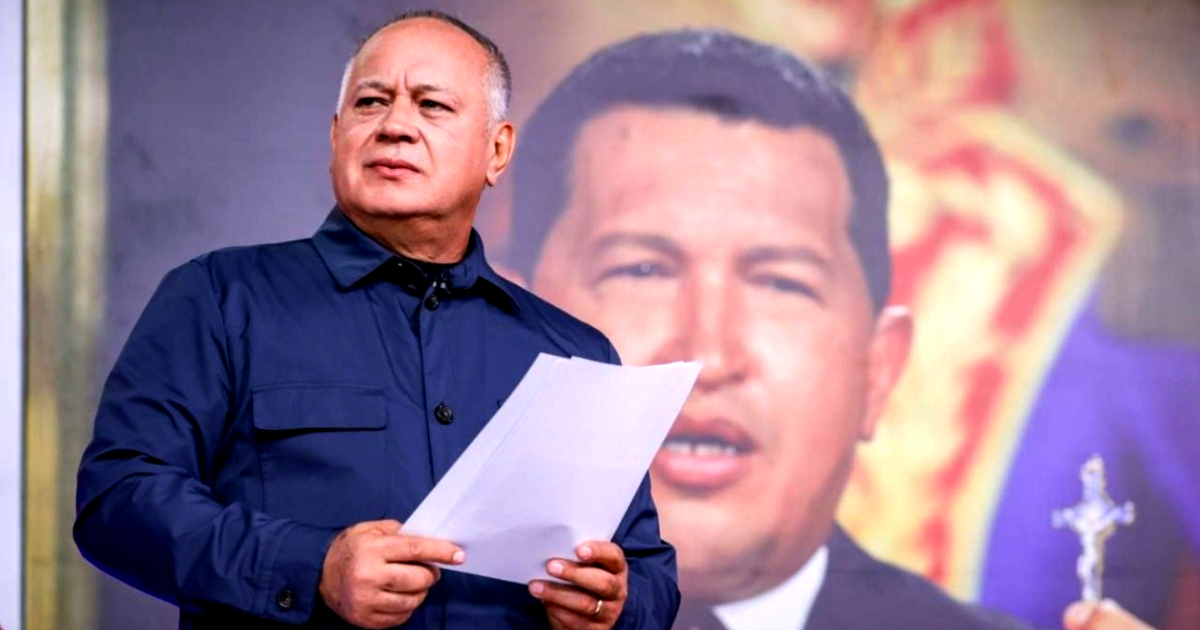
The central figure of this apparatus is Diosdado Cabello Rondón, who has controlled the Ministry of Interior, Justice and Peace since August 2024, with direct command over the Bolivarian National Police, the National Guard, the CICPC, and the SEBIN.
Human rights organizations identify him as the main executor of the repressive machinery that the UN describes as intact.
"The reduction of some of the most severe forms of repression is significant, but it by no means constitutes a transformation of the system that made them possible," stated Sofía Macher, president of the mission.
He added: "As long as repressive structures are not dismantled, judicial independence is not guaranteed, and those responsible for human rights violations are not properly investigated and punished, any opening will remain fragile and reversible."
The mission documented 64 new cases of torture just from January 3rd, indicating that these practices remain widespread.
In the maximum-security prison El Rodeo I, there were reports of forced intubation and prolonged confinement in a sealed underground tank that the inmates call "the time machine."
At Fuerte Guaicaipuro, a military installation, the mission documented cells excavated below ground level, food deprivation, and exposure to cold.
One of the investigated cases is that of Víctor Quero Navas, a street vendor who died in custody while being subjected to forced disappearance. His mother, Carmen Teresa Navas, was only informed of his whereabouts more than a year after his detention and 10 months after his death. She passed away 10 days later.
According to non-governmental organizations, between 379 and 500 people remain detained for political reasons, a figure that contrasts with the more than 1,000 cases of release that the government of Delcy Rodríguez claims to have completed since January.
Foro Penal, the leading Venezuelan NGO monitoring political prisoners, only managed to verify 894 releases by August 25, and reported 328 political detainees as of September 8.
This scenario highlights the limitations of the three-phase plan —stabilization, economic recovery, and political transition— that Secretary of State Marco Rubio announced in January to guide the process of change in Venezuela.
The mission also presented a specific study on the armed groups, which concluded that their expansion "was not coincidental, but rather a response to a political strategy aimed at strengthening the support base for their political project, also through violence and coercion," during the governments of Hugo Chávez and Maduro.
The expert Alex Neve urged Washington and other influential actors to intensify pressure for real changes in human rights, while cautioning that their actions should not "contribute to more human rights violations or facilitate the commission of international crimes."
The reports will be formally presented to the UN Human Rights Council on September 18th.
Related videos:
Filed under: