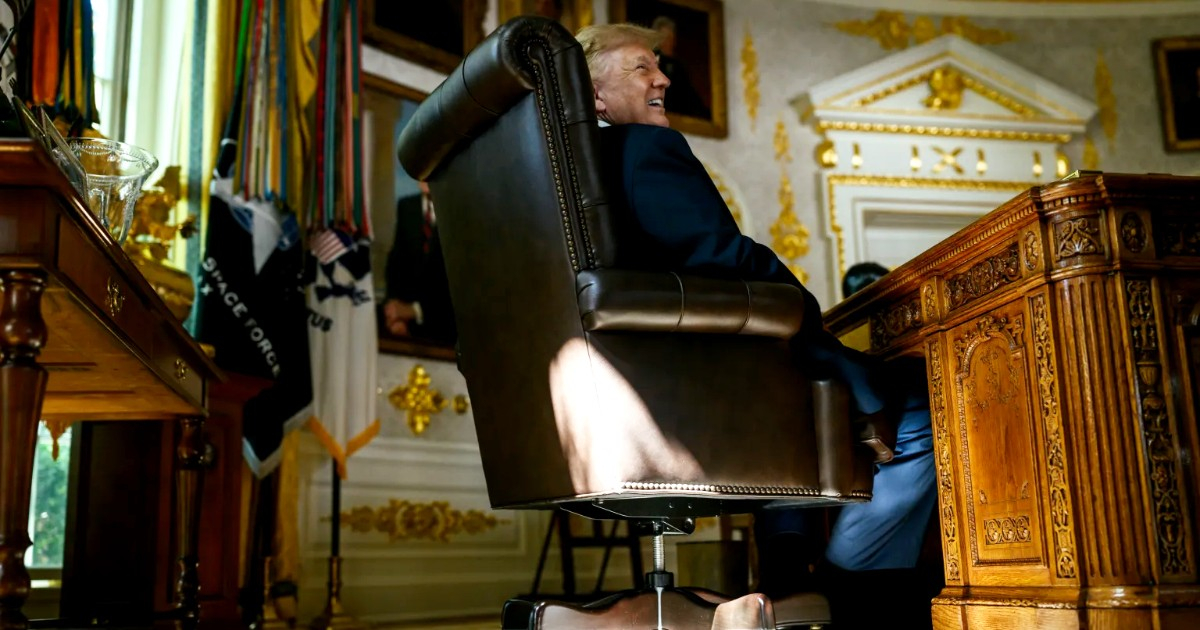
The president Donald Trump signed into law on Friday H.R. 5334, officially titled «Lindsey O. Graham Sanctioning Russia and Iran Act of 2026», which authorizes and extends statutory sanctions, tariffs, and prohibitions against Russia, while also extending the existing sanctions on Iran.
The legislation is named after Republican Senator Lindsey Graham, who passed away on July 11, 2026, at the age of 71 due to aortic dissection, just two days after his birthday. Graham had been one of the staunchest Republicans in demanding harsh sanctions against Russia and supporting Ukraine since the beginning of the large-scale invasion in February 2022.
The legislative process was bipartisan and relatively swift. The Senate approved the bill on August 7 with 86 votes in favor and 11 against. The House of Representatives backed it on September 16 with 262 votes in favor and 159 against, with 58 Democrats joining the Republican majority and seven Republicans voting against. The bill reached the president's desk on September 17, and Trump signed it the following day.
Regarding its content, the law empowers the president to impose tariffs of up to 500% on goods of Russian origin, although discretely: the regulation authorizes these measures but does not enforce them automatically.
In addition, it establishes secondary tariffs of up to 100% on products from the five countries that import the most Russian crude oil or natural gas and continue to make new purchases after the enactment.
China, as the main buyer of Russian energy, would be the country most exposed to that pressure. Tariffs of up to 100% are also expected for the five main facilitators of Russian sanction evasion.
Regarding Iran, the law extends and broadens the existing restrictions on the energy and arms sectors of the Tehran regime, in line with the new sanctions against Iran that the Trump administration had announced weeks earlier.
The Office of the United States Trade Representative (USTR) emphasized that Congress granted the president the greatest tariff authority since 1974 and framed the signing as a pressure tool to put an end to the war in Ukraine.
"The signing of the Lindsey O. Graham Law demonstrates the growing bipartisan recognition that tariffs are an effective tool for safeguarding our economic and national security," noted the USTR in a statement.
The agency also paid tribute to the late legislator: "Senator Lindsey Graham was a patriot who understood that economic security is national security. This historic legislation bearing his name honors his legacy and cuts off vital resources that fuel this terrible war."
The approval of the law comes in a context of ambivalent stance from the Trump administration towards Moscow: in March 2026, the White House had temporarily lifted sanctions on Russian oil tankers, which generated criticism from European allies and lawmakers from both parties.
Related videos:
Filed under: