The family of Leonardo Orué Calderín, a resident of Nuevo Bamba in the municipality of Palma Soriano, Santiago de Cuba, reported that his death could have been prevented if the Cuban healthcare system had responded with the urgency required for a case of peritonitis, according to a report by Martí Noticias published this Sunday.
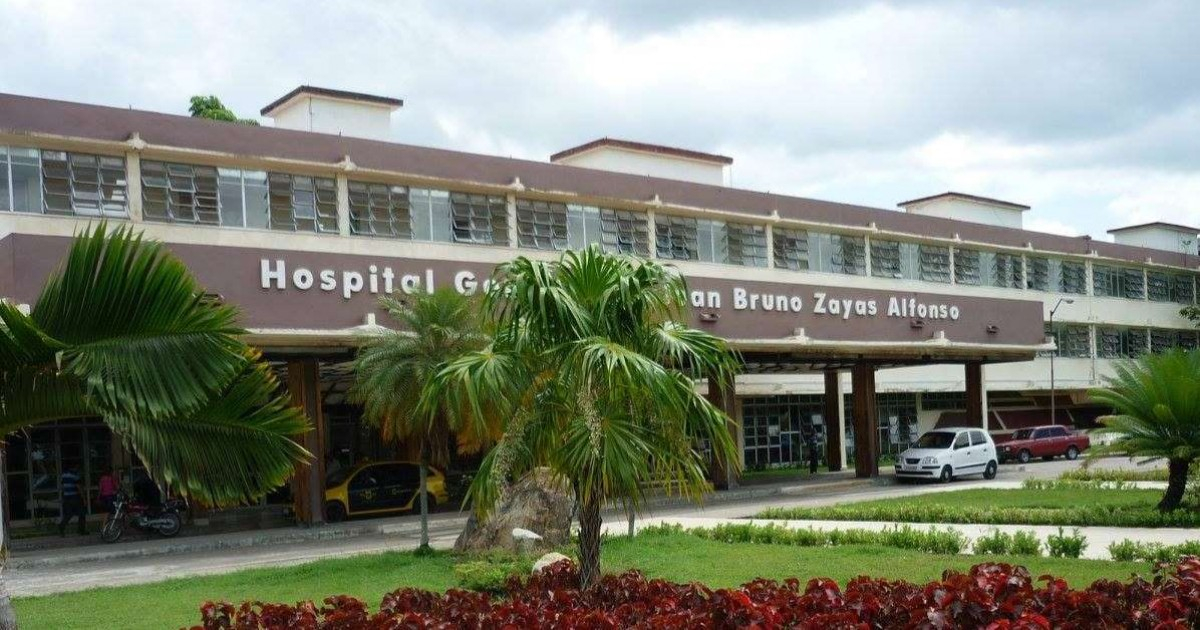
Orué Calderín, known in his community for his work as a volunteer blood donor, arrived early in the morning at a polyclinic in Palma Soriano with severe abdominal pain. From that first moment, a chain of failures began: delays in the decision to refer him and holdups in the ambulance transfer to the Juan Bruno Zayas Alfonso Clinical Surgical Hospital in Santiago de Cuba.
In the hospital, the ordeal lasted for days. His daughter, Danieyis Orué, who resides in the United States, described the sequence of negligence: "They would dress him in green, take him to the operating room door, then pull him back out because there were more complicated cases arriving than his. On Thursday, they decided to admit him to the operating room, and then when they were about to operate, they realized they didn't have his blood type."
The family had to obtain the blood bags on their own. A stretcher bearer offered to sell one bag, but the patient needed at least two. "At 6:00 PM, they finally took him into the operating room, and indeed, what was always suspected—a peritonitis! How many days!" recounted Danieyis.
The daughter's indignation points directly to the center's lack of foresight: "How can you plan a surgery that you've known about since Tuesday, bring the person in on Wednesday, want to administer anesthesia, and then realize that the person’s blood type is missing? That's inhumane."
The doctor Yonardo Fonseca, a specialist consulted by Martí Noticias, agreed that the most serious delay was not in the transfer but within the hospital itself: "What is striking is the long delay in the hospital, from the moment the diagnosis was made to when the decision was made to operate."
After the surgery, the doctors informed the family that the operation had been "a success." A few hours later, the patient suffered a new organ failure and passed away in the early morning. The medication metronidazole, essential for treatment, also had to be urgently obtained by relatives due to the absence of the drug in the hospital.
The attending physician, in a video call with Danieyis, merely stated that he had done "what was within his power" and that the ambulance transfer "was no longer up to him." Martí Noticias attempted to obtain the hospital's version, but no one answered the phone.
The case of Orué Calderín is not the first to shake Juan Bruno Zayas in 2026. In September, Aniari Barrientos Vázquez, 26, died after undergoing induced labor; in April, Alexis Rosales Aldama passed away after waiting more than four hours for an ambulance; and in January, Yordanis Beltrán Beltrán, 42, died after more than two hours without an emergency vehicle.
The deterioration of the hospital is structural: sewage under the beds, rats in the Perinatology room, bathrooms in critical condition, and interruptions in hemodialysis services due to a lack of saline. Nationally, Díaz-Canel has acknowledged the shortage of medications while more than 98,500 patients, including 12,000 children, await surgeries postponed due to blackouts and shortages of supplies across the island.
Related videos:
Filed under: