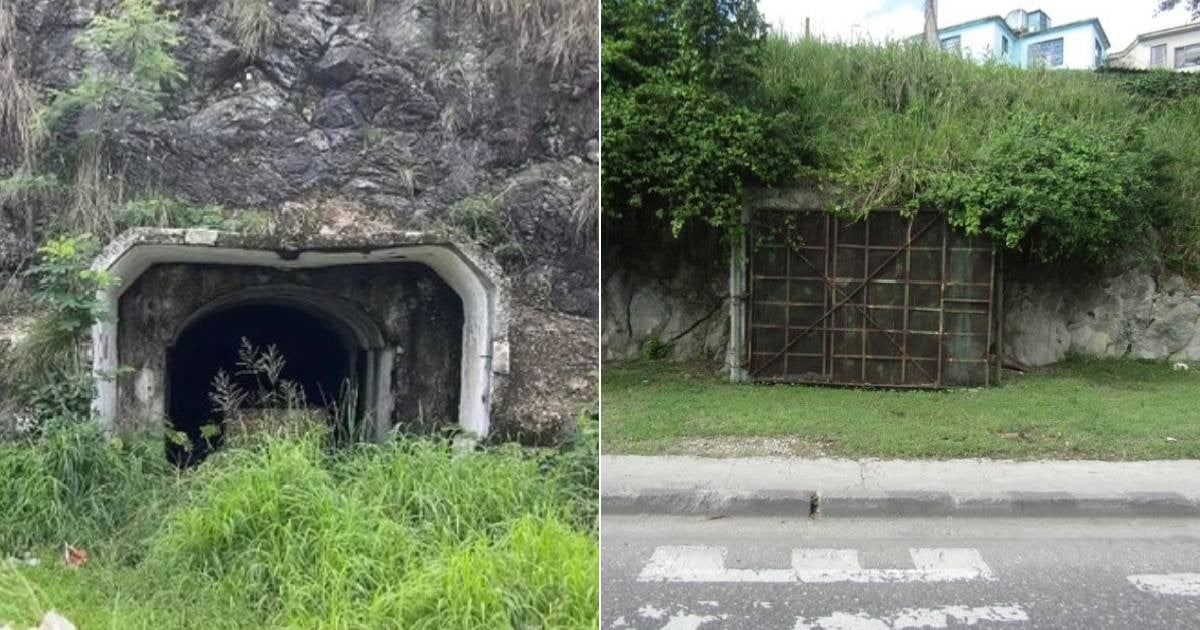
A neighborhood meeting in a 20-story building near the Central Committee of the Communist Party of Cuba, in the capital's Plaza de la Revolución municipality, issued a warning that goes beyond preparations for a potential war, according to the testimony of a resident.
The user identified as Eduardo Chibás shared details on his Facebook profile, based on what a neighbor who attended the meeting told him. This meeting allegedly took place this Saturday, during which a representative of the regime reminded that protests with pots and pans can only be conducted inside homes.
According to reports, residents of the higher floors would have to go down to the basement of the building if a war alarm is activated, although the space does not have the capacity to accommodate all the inhabitants. The evacuation would prioritize children and the elderly, who should bring medications, water, and other essential items.
However, the detail that caught Chibás's attention the most was the intervention of a representative from the so-called "apparatus," who, according to testimony, emphasized that citizens have the right to bang pots and pans, but only within their homes.
"It may seem anecdotal, but I don’t think so," wrote the Havana resident, who interpreted the warning as an attempt to establish rules in the face of a situation he considers increasingly critical. "They are setting the rules to their convenience in front of a more critical situation that is yet to come... Yes, believe it, this is going to get worse," he added.
The mention of pots takes on a particular meaning in a country where pot-banging has become a way to express discontent over prolonged blackouts and daily hardships.
In June, the Cuban Observatory of Conflicts recorded 107 street protests, the highest number reported for that month, 82 of which took place in Havana.
In response to the protests triggered by the electricity crisis, in early July, the leader Miguel Díaz-Canel urged Cubans to "bang pots" at the neighbors to the North, who are the ones keeping us in this blackout. By attributing the responsibility for the blackouts to Washington, he shifted citizens' complaints about the lack of electricity towards the conflict with the U.S. government.
The reactions to Chibás's publication reflected distrust toward the official discourse regarding a potential external threat. "This won't be the first time they create a 'critical situation' of an imminent attack to divert attention," commented one user. Another summarized their interpretation with the phrase "Bread and circuses."
A third internet user questioned the effect that, in his opinion, a message about a foreign threat could have on the population. "That's meant to scare people. And make them believe they owe something. That the enemy is the Americans," he wrote.
The warning about the pot-banging protests also prompted direct criticism. "Right to bang pots inside your houses? That sounded strong," commented a user, referring to the contradiction between acknowledging that right and limiting it to private spaces.
The testimony does not come from a recording of the meeting or from Chibás's direct participation, but rather from what a neighbor told him. Even with that caveat, the publication raised a concern that goes beyond the organization of a potential evacuation; it questions whether the instructions in the event of a possible war also include warnings about how and where citizens can express their discontent.
The neighborhood meeting is part of the Year of Preparedness for Defense 2026, under the doctrine of Total People's War. So far this year, the government has conducted military exercises almost weekly.
In Camagüey, evacuations were practiced in anticipation of hypothetical bombings involving the loading and unloading of rifles; meanwhile, in Jatibonico, Sancti Spíritus, anti-personnel mines were laid and reservists were mobilized for a mock enemy landing.
In Havana, Díaz-Canel has inspected defense areas almost every Friday. At the beginning of September, he urged the residents of Havana to learn how to protect themselves in basements and tunnels. Meanwhile, this Friday, while visiting the Arroyo Arenas Defense Zone in La Lisa, he stated that Cuba has greater invulnerability from a military and defense perspective.
Related videos:
Filed under: