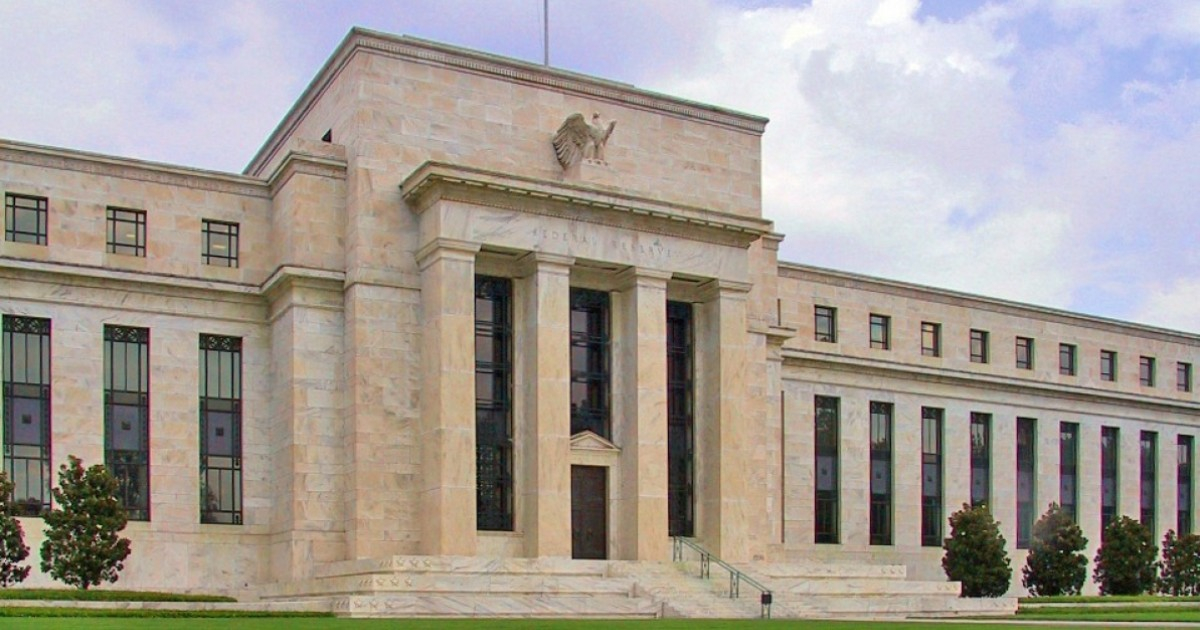
The Federal Open Market Committee (FOMC) of the Federal Reserve of the United States decided on Wednesday to maintain the target range for the federal funds rate at 3.75% - 4.00%, in a split vote of 10 to 2.
The decision, announced at 2:00 p.m. Eastern Time, was not unanimous: Governor Lisa D. Cook and Cleveland Federal Reserve Bank President Beth M. Hammack opposed it and preferred to raise the rate by an additional quarter percentage point.
The official statement noted that "inflation remains elevated" and that "the accumulation of more information will help the Committee to determine the appropriate policy stance to ensure a timely return of inflation to the 2% target."
The pause comes just six weeks after the Fed raised rates for the first time in three years on September 16, when the FOMC raised the range from 3.50%-3.75% to 3.75%-4.00% in a unanimous vote, due to the persistence of high inflation.
The president of the Fed, Kevin Warsh, dismissed any political influence in the decision, which was made six days before the midterm elections on November 3: "Politics played no role in the decision," he stated, noting that during the two days of deliberations he did not hear any mention of the electoral topic among his colleagues.
For those with variable-rate credit card debt, the pause prevents a new increase in the Fed's benchmark rate, although the interest rates on some cards may still rise due to pending adjustments from the September increase.
The preferred rate—linked to most variable rate cards—remains at 7.00%, three percentage points above the Fed's upper limit. The average annual percentage rate (APR) for new credit card offers reached 23.96% in October, according to data from LendingTree, compared to an average of 22.36% for accounts that are already accruing interest.
In the mortgage market, the decision does not bring immediate relief either. Existing fixed-rate mortgages are not affected by the Fed's moves, and new ones continue to become more expensive: the 30-year fixed rate remained above 7% throughout October, reaching 7.46% in Miami-Dade by mid-month.
For buying a house in Miami-Dade at a price of $692,000 with a 20% down payment, the estimated monthly payment for principal and interest exceeds $3,855.
Where there is indeed a window of opportunity is in savings. As long as interest rates remain high, high-yield savings accounts offer up to 5.00% APY at some institutions, compared to a national average of merely 0.38%, according to data from Wall Street Journal and CNBC.
The FOMC statement described the economy in positive terms: "Economic activity is expanding at a strong pace. Domestic spending has been resilient. Productivity growth is solid, and capital investment is robust."
However, geopolitical uncertainty remains a risk factor.
Warsh described the period leading up to the next meeting as "rich in information," referring to new economic data that is forthcoming.
September projections indicated that 16 out of 18 Fed officials anticipated at least one more rate hike before the end of 2026, with the rate potentially nearing 4.1% by the year's end.
Related videos:
Filed under: