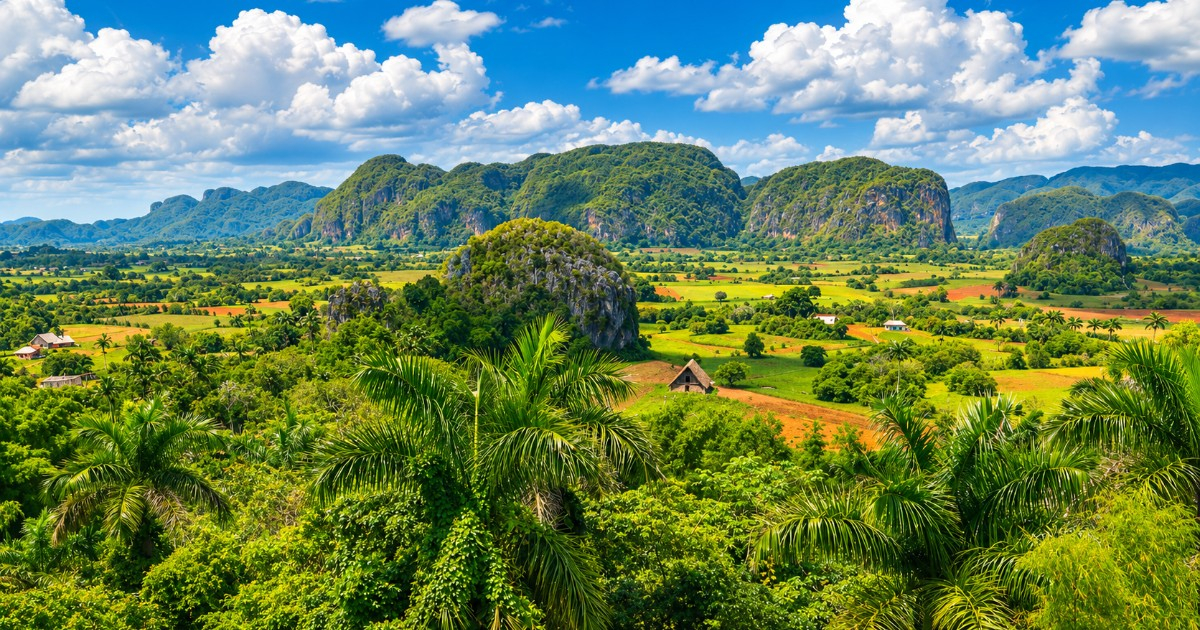
The Viñales Valley, in Pinar del Río, received a favorable recommendation to join the UNESCO Global Geoparks Network, as reported by the EFE agency on Monday, November 2, citing reports from Cuban state media. If the nomination is granted definitive approval, it would become the first Global Geopark in Cuba and the Caribbean.
The distinction, however, has not yet been granted. The recommendation attributed to the Global Geoparks Council is a phase of the procedure, while the final decision rests with the UNESCO Executive Council. At the time of this information, no specific official resolution regarding Viñales had been published by the organization, so the announcement must be attributed to reports gathered by EFE.
The official UNESCO calendar places the meeting of its Global Geoparks Council between November 2 and 4, 2026, in Paris, with 16 new or postponed nominations on the table. A specific date for the final approval of the Cuban proposal has not yet been confirmed.
What did UNESCO value in Viñales?
The recommendation comes weeks after the technical mission that toured the area from October 6 to 9. According to UNESCO itself explained at the time, the evaluators examined the geological heritage, conservation mechanisms, land management, educational programs, and the involvement of local communities and enterprises.
The candidacy was formally presented in November 2025. The territory had already been recognized in 2021 as the first national geopark of Cuba. It comprises 57 geosites, ten of international interest, in addition to the famous mogotes, cavern systems, fossil deposits, and remarkable biodiversity, according to data reported by EFE.
Viñales also has another recognition from UNESCO since 1999: it is listed as a cultural landscape on the World Heritage List, due to the combination of its unique karst geography with traditional tobacco farming and rural architecture. This existing listing is different from the category of Global Geopark that Cuba is now applying for.
A tourist opportunity amidst the decline in visitors
The potential international recognition arrives at a particularly challenging time for businesses related to tourism in Viñales. In October, a report by EFE featured on CiberCuba highlighted streets with minimal tourist activity, private establishments without customers, and workers who had to find sustenance in agriculture.
According to that report, about 80% of the approximately 28,000 inhabitants of the municipality depend directly or indirectly on tourism. Lázaro Mena, head of the venture Mogote Adventure, then described the area as "desert-like" and stated that he had not had any income for over six months.
The crisis is not limited to the valley. Data from the National Office of Statistics and Information (ONEI) published by CiberCuba indicates that Cuba received 477,707 international visitors from January to September 2026, a decline of 65.1% compared to the same period the previous year. September recorded only 27,354 arrivals.
The lack of visitors is compounded by problems that directly affect residents and small business owners: prolonged power outages, difficulties accessing water, and a shortage of transportation. The October report documented blackouts lasting up to 30 hours and a prolonged deterioration in the supply of drinking water.
What would change if Viñales became a Global Geopark?
The UNESCO Global Geopark category recognizes areas with internationally significant geological heritage that integrate protection with education, research, and sustainable development. It is not merely about placing a tourist label on a landscape; it requires local residents to participate in management and for natural and cultural heritage to be effectively conserved.
For Viñales, this international projection could benefit local guides, private accommodations, restaurants, and tobacco producers, as well as open new opportunities for nature tourism and scientific outreach. However, a potential declaration does not guarantee on its own more visitors, funding, or improvements in basic services.
The previous coverage by CiberCuba about the UNESCO mission highlighted the contrast between the exceptional value of the landscape and the difficulties faced by those who rely on tourism in the area. Beyond the announced recommendation, the real challenge will be to transform a potential international distinction into protection for the territory, improved conditions for its communities, and genuine economic opportunities.
Related videos:
Filed under: