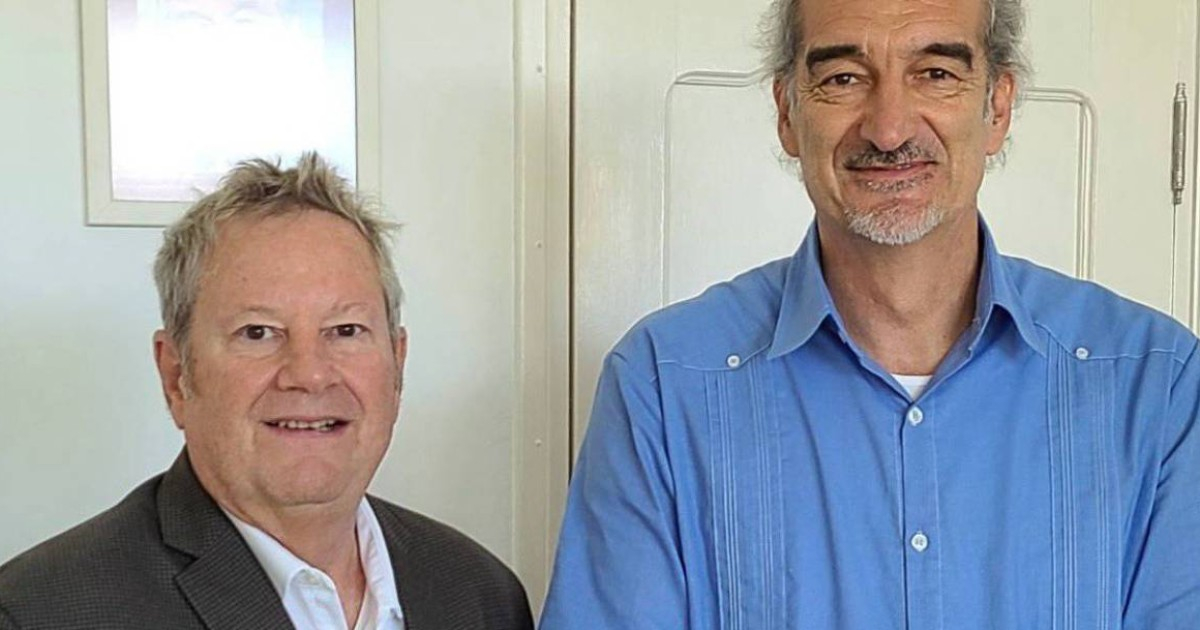
Mike Hammer, chargé d'affaires and head of mission at the United States Embassy in Havana, met with Pablo Ruiz Hiebra, the new resident coordinator of the United Nations in Cuba, in the first publicly known contact between the two diplomats.
«A pleasure to meet Pablo Ruiz Hiebra, the new United Nations Coordinator in Cuba. We shared notes on the situation on the island, particularly the efforts to deliver humanitarian aid to those in need,» Hammer expressed on the social media of the Embassy of the United States in Cuba.
The meeting takes place at a time of severe humanitarian crisis on the island, characterized by prolonged blackouts, shortages of fuel and food, and the ongoing deterioration of health services.
Ruiz Hiebra, a Spanish diplomat with over 20 years of experience in crisis areas, was appointed resident coordinator of the UN in Cuba by the Secretary-General António Guterres on October 1, with the approval of the Cuban government.
Before taking on this position, he served as a resident coordinator in Uruguay and country director of the United Nations Development Programme (UNDP) in Colombia, where he was involved in initiatives related to the peace process. He also worked in Haiti, Lebanon, and Sri Lanka in post-crisis recovery efforts.
On October 9, he presented his credentials to the Cuban Deputy Minister of Foreign Affairs, Anayansi Rodríguez, in Havana. His arrival coincides with the launch of the UN Cooperation Framework for Sustainable Development 2026-2030, signed with the Cuban government in October 2025.
The meeting this Tuesday reflects the urgency of coordinating the humanitarian response on the island. The UN has made a call for 94 million dollars to assist nearly two million people in 63 municipalities across eight provinces, but by September, it had only received about 42 million, with critical deficits in food security, health, and water.
In May, the United States reiterated an offer of 100 million dollars in humanitarian aid for Cuba. Subsequently, it announced that 60 million would be channeled through the Catholic Church and 40 million through independent non-governmental organizations.
The assistance, which includes food and hygiene products, has been gradually reaching vulnerable families in various Cuban provinces.
Hammer has been the visible face of that effort. The official visited beneficiary families in Bejucal in August and, in September, visited homes in Villa Clara.
Related videos:
Filed under: