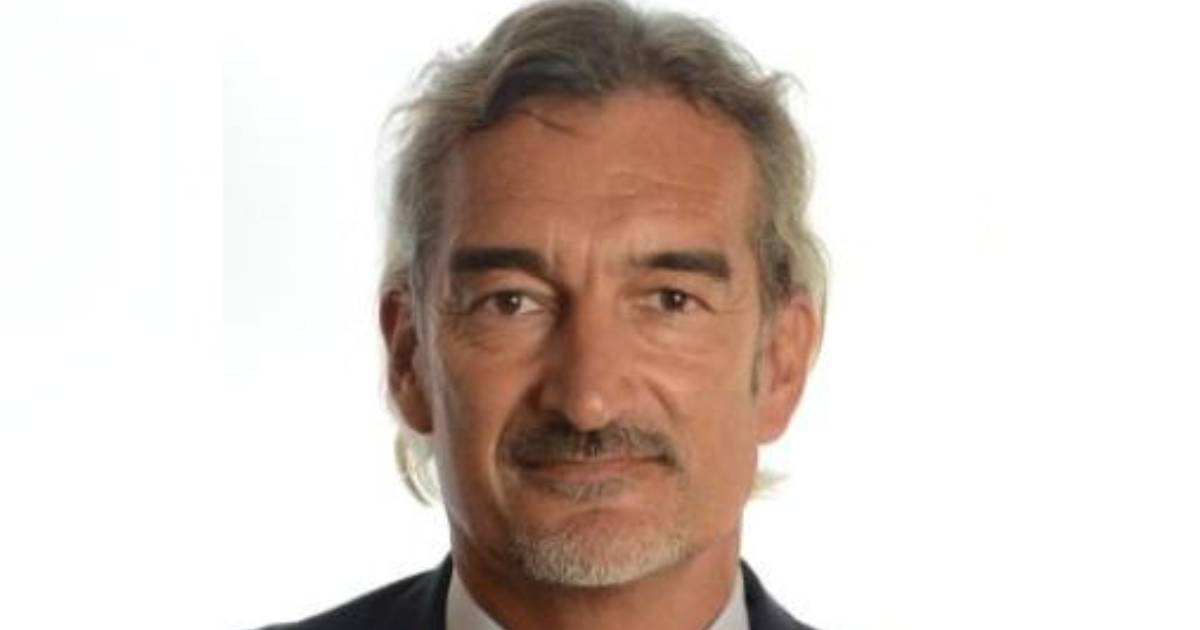
The United Nations Secretary-General, António Guterres, appointed Spaniard Pablo Ruiz Hiebra as the new UN Resident Coordinator in Cuba, a position he assumed this Thursday, October 1, with the approval of the Cuban government.
The appointment was officially announced by the United Nations, which highlighted Ruiz Hiebra's more than 20 years of experience in areas such as governance, development cooperation, crisis prevention and recovery, and peacebuilding.
The Spanish diplomat arrives in Havana after serving as the UN resident coordinator in Uruguay, where he led the organization’s team responsible for coordinating cooperation with the authorities and other stakeholders in the country.
He previously served as the Country Director of the United Nations Development Programme (UNDP) in Colombia, during which he was involved in actions related to the implementation of the peace process.
His experience within the United Nations system also includes roles as a senior advisor in post-crisis recovery processes in Haiti, Lebanon, and Sri Lanka, as well as work in the Crisis Prevention and Recovery Office of UNDP in Geneva following the 2004 Indian Ocean earthquake and tsunami.
Ruiz Hiebra also led regional initiatives on governance and peacebuilding from the UNDP Regional Center in Panama, with projects involving approximately twenty countries.
The resident coordinator is the person responsible for leading and coordinating the work of the United Nations team in each country, as well as for the implementation and oversight of its cooperation programs. Until now, the UN in Cuba identified Etienne Labande, representative of the World Food Programme (WFP), as the interim resident coordinator.
Ruiz Hiebra arrives at the position at a time when the United Nations is working with the Cuban government on its Framework for Sustainable Development Cooperation 2026-2030, signed in October 2025, which establishes the work priorities of the agency's divisions on the island.
Among the areas covered in this program are productive transformation, environmental sustainability, disaster risk management, human development, and social protection, as well as cooperation in sectors such as biotechnology, agriculture, tourism, and new economic actors.
It arrives at a time of heightened tensions surrounding Cuba
The arrival of Ruiz Hiebra comes at a particularly complex time for Cuba's foreign relations, marked by a new tightening of Washington's policy towards Havana under the Trump administration and by the prolonged economic and energy crisis affecting the island.
In fact, the new UN coordinator starts his duties just one day after the entry into force, on September 30, of new U.S. restrictions on operations related to Cuba.
The Office of Foreign Assets Control (OFAC) of the Department of the Treasury has expanded prohibitions to include certain indirect financial transactions with entities on the Restricted List of Cuba and removed authorizations that allowed certain financial operations known as U-turn. It also restricted travel to attend or organize professional meetings and conferences on the island and modified the conditions for some educational trips.
These measures are part of a pressure policy that Washington has intensified during 2026. In January, Trump declared a national emergency related to the actions of the Cuban government and established a mechanism that allows for additional tariffs on countries that supply oil to Cuba. In May, Trump signed an executive order that expanded the framework of sanctions against individuals and entities linked to the Cuban state and security apparatus, as well as those responsible for serious human rights abuses or corruption.
This deterioration in relations between Washington and Havana coincides with a profound crisis within Cuba. The island continues to suffer from blackouts, fuel shortages, difficulties with water supply and food, as well as transportation issues, a situation that continued to impact the population in September.
This is compounded by the situation regarding human rights. Organizations such as Human Rights Watch have reported that hundreds of critics and protesters continue to be imprisoned in Cuba. In July, the organization cited estimates from Justicia 11J and Prisoners Defenders indicating that around 800 political prisoners remain behind bars, nearly half of whom are linked to the protests of July 2021.
The Cuban government, for its part, attributes a fundamental part of the economic and energy deterioration to U.S. sanctions and has accused Washington of exerting a policy of "maximum pressure." The United States argues that its measures aim to reduce the resources that benefit the Cuban state and security apparatus and to push for changes in human rights practices.
Related videos:
Filed under: