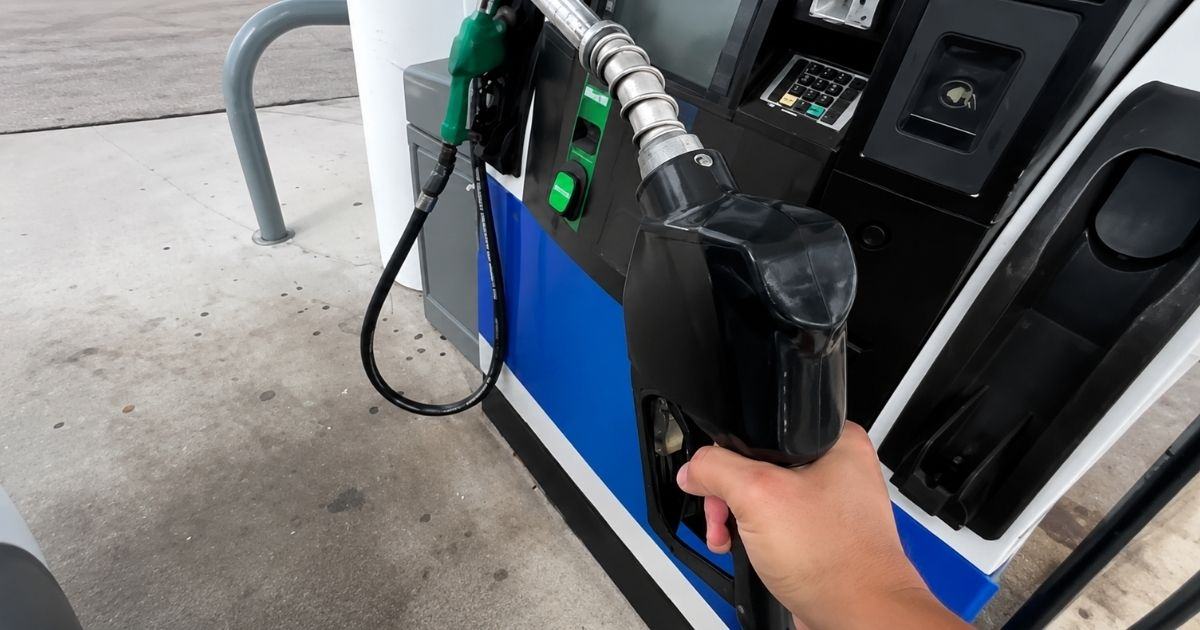
Regular gasoline prices dropped back below four dollars per gallon in the United States this Tuesday, for the first time since July 20. The decrease also benefits Florida, where the state average fell to $3.77, while in Miami it stood at $3.82, providing relief for those who rely on their cars for work or daily commuting.
According to the American Automobile Association (AAA), the national average fell to $3.98 per gallon, down from $4.15 a week ago.
The chain NBC News reported this Tuesday that the decline coincides with a significant drop in international oil prices, driven by signs of a possible easing of military tensions between the United States and Iran.
In Florida, the average price decreased from $3.86 to $3.77 in one week. In the Miami metropolitan area, it dropped from $3.93 to $3.82, while in Fort Lauderdale it fell from $3.94 to $3.84, according to AAA figures for this Tuesday.
For Miami drivers, filling a 15-gallon tank now costs approximately $57.36, down from $58.91 just a week ago. The difference is about $1.55 per fill-up. While the individual savings may seem small, they can add up for those working in deliveries, driving for Uber or Lyft, or commuting long distances every day.
The reduction is more significant when compared to prices from previous weeks. In Florida, gasoline was costing around $4.11 per gallon a month ago and reached a peak of $4.52 during May. Compared to that peak, the current decrease is around 75 cents per gallon, equivalent to about $11.25 less when purchasing 15 gallons.
However, fuel is still significantly more expensive than it was a year ago. In November 2025, the average price in Florida was about $2.84 per gallon, around 93 cents less than the current price. This represents an annual increase of nearly 33%, despite recent reductions.
The drop in prices is primarily related to the decline of oil in international markets. According to NBC News, crude oil futures contracts fell by 13% last week.
In the case of Brent, the international oil benchmark, it experienced its largest weekly percentage drop since April 2020, when the COVID-19 pandemic halted a significant portion of global economic activity.
The decline continued on Monday, as oil prices fell another 5%, reaching levels not seen since the end of August. During the trading session on Tuesday, Brent was temporarily traded below 90 dollars per barrel.
One of the factors influencing this behavior is the statements made by President Donald Trump, who has downplayed the possibility of new attacks against Iran.
On Monday, during a meeting with journalists at the White House, he stated that there had been positive progress in the talks and possibilities of ending the war.
Expectations of a lower military escalation have eased some of the pressure on oil prices. However, there are risks of new clashes, which means that a recovery in international prices could again lead to increases in fuel costs.
The price of diesel also records a reduction. Nationwide, its average price dropped from $6.28 per gallon a week ago to approximately $6.16 this Tuesday, according to AAA. In Florida, the average stood at $5.87, down from $5.97 seven days ago.
This decrease is particularly significant for the transportation of goods, as diesel is widely used by trucks, trains, and vessels.
The high costs of fuel can be passed on to the prices of food and other products, although a reduction at service stations does not necessarily lead to immediate discounts for consumers.
Ahead of Thanksgiving, which will be celebrated on November 26, drivers could find lower prices if the drop in oil prices continues.
Mark Jenkins, spokesperson for AAA in Florida, explained in a statement on Sunday that decreases in wholesale markets may take time to fully reflect at gas stations, but he warned that it is impossible to determine how low prices could go.
The downward trend was already evident in early November, when gasoline in Florida had dropped to approximately $3.85 per gallon, after exceeding four dollars during October.
At that time, the lower seasonal demand and the increase in U.S. gasoline reserves were also contributing to the decrease in prices.
Related videos:
Filed under: