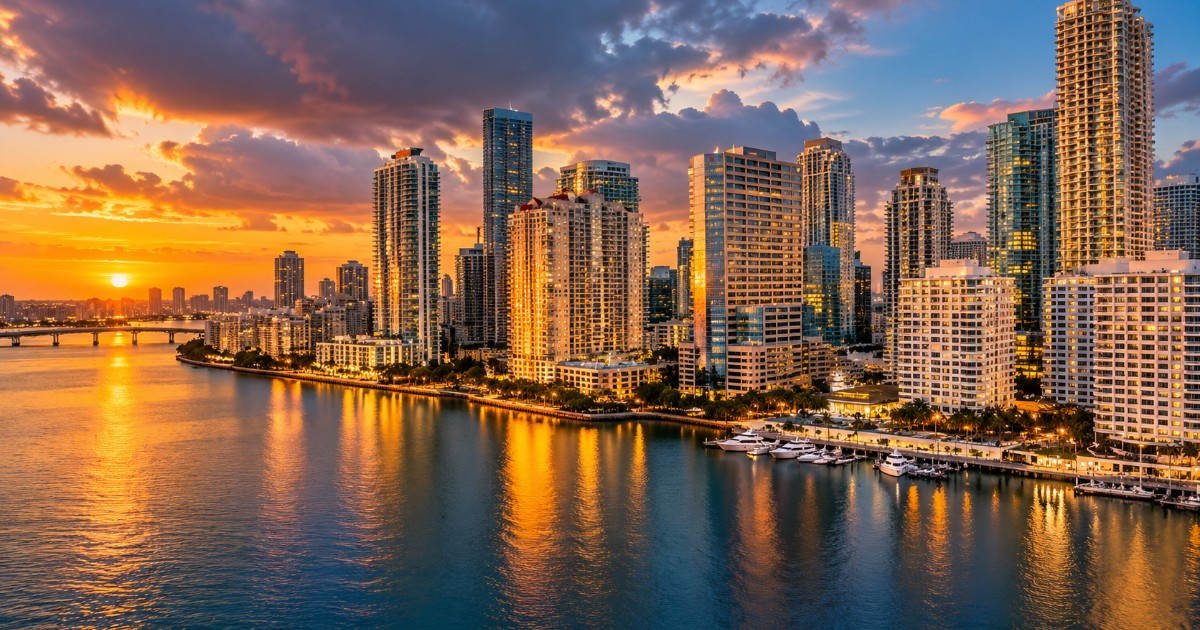
The Miami condominium market has become one of the toughest in the country for real estate sellers in Florida.
A new report from Redfin reveals that in September there were an estimated 274% more sellers than buyers in the Miami metropolitan area, which equates to nearly four sellers for every buyer, positioning Miami as the third most unbalanced market among the 50 largest metropolitan areas in the United States.
At a national level, the gap between the supply and demand for condominiums has reached its most extreme point since 2013. There are 123% more sellers than buyers, with 197,248 units for sale compared to only 88,460 active buyers in September. A year earlier, this difference was 95.5%, illustrating the rapid deterioration of the market.
Only San Antonio, with 459% more sellers than buyers, and Houston, with 322%, surpass Miami in this imbalance. Austin ranks fourth with 258%.
The shift is stark when compared to the pandemic boom. In September 2021, there were 25.1% fewer sellers than buyers. Over five years, the number of buyers dropped by 54%, while the number of sellers increased by 36%.
The factors explaining the excess supply are particularly pronounced in Florida. Insurance premiums have surged due to the risk of hurricanes. Master insurance for associations in Miami-Dade increased by 164% between 2021 and 2024.
An analysis by FirstService Residential found that the average fees in high-rise buildings in Miami-Dade included in their study exceed $1,900 per month.
Florida legislation requires structural reserve studies for certain buildings with three or more habitable floors and establishes funding obligations, although it provides for exceptions and temporary flexibility mechanisms.
Since August 3, 2026, Fannie Mae and Freddie Mac are implementing stricter requirements to assess the eligibility of condominium projects, with increased scrutiny on their financial reserves, although certain operations are exempt.
The median selling price of condominiums in the United States fell by 0.8% year-on-year in September, reaching approximately $339,000.
In Miami-Dade, the median price of condominiums and townhomes was $417,090, down 0.69% from a year earlier, according to Miami Realtors.
On a national scale, 37% of the condominiums sold in September had recorded some price reduction, while the typical time from hitting the market to signing a contract was 63 days, compared to 35 days five years ago.
The outlook is unusually favorable for those in a position to buy. Cecilia Cordova, a Redfin agent in Miami who lives in a condominium, sums it up clearly: "Look for a motivated seller, and there are many."
Cordova indicates that the available inventory is sufficient for "the next three or four years" and recommends thoroughly investigating the financial health of the building before finalizing any deal to avoid surprises with future assessments.
For owners who need to sell, the advice is less encouraging. "If you really need to sell, the strategy is to list below the price of any other comparable unit in the same building. Now is not the time to experiment with a higher price," warns Cordova.
Asad Khan, senior economist at Redfin, sees a concrete opportunity for those with savings ready: "For renters who have saved for a down payment and are ready to build equity, these buyer-friendly conditions present an opportunity. Buyers have more options and greater chances of finding a place they like."
Those who cannot or do not want to sell immediately have another option: rent out their unit while the market stabilizes, an option that Cordova herself suggests for owners who are not in a hurry for liquidity.
Miami-Dade also offers up to $3,500 per household through its mortgage relief program to cover overdue mortgage payments, HOA fees, or insurance, aimed at families with incomes up to 140% of the area median income. It is intended for homeowners who use the property as their primary residence and meet the income eligibility requirements.
The only market among the 50 analyzed where condominium sellers still have an advantage is Nassau County, New York, with 32% fewer sellers than buyers.
Related videos:
Filed under: