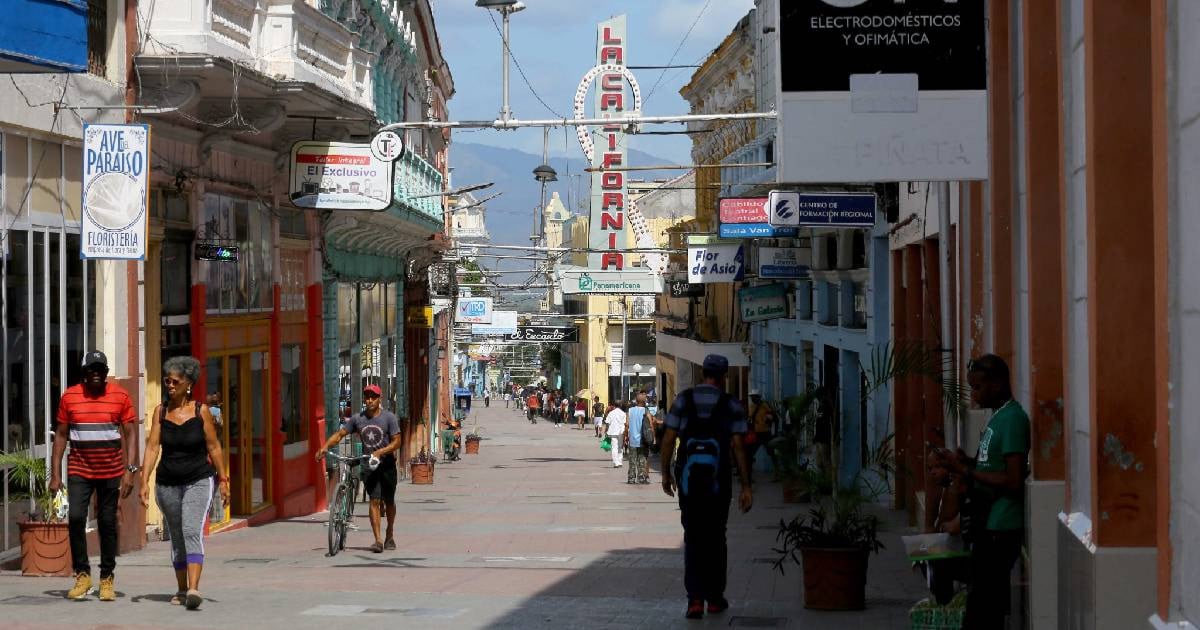
Health authorities in Santiago de Cuba have raised concerns about the increase in HIV/AIDS diagnoses among individuals under the age of 20, the only age group in which cases have risen compared to the same period last year, despite the overall decline in detections across the province.
The provincial head of the Sexually Transmitted Infections (STI) and HIV section, Liam Kadel Dunan Cruz, specified that the program has diagnosed 3,856 people living with the virus, of which 83.9% are still alive. Of the total deceased, 17% died due to AIDS, reported the official newspaper Sierra Maestra on Thursday.
The official noted that the epidemic primarily affects men who have sex with other men, followed by individuals engaged in transactional sex and transgender women. By the end of October, urethral infections, gonococcal conjunctivitis, and syphilis also increased.
One of the issues acknowledged by the authorities themselves is the lack of condoms. Dunan admitted that the program no longer has condoms as it did in the past, when they were available in all pharmacies. The scarcity of this barrier method coincides with the rise in sexually transmitted infections and poses an obstacle to prevention campaigns.
Material shortages are compounded by difficulties in meeting the international 95-95-95 targets set by UNAIDS. Although the province claims to meet the goals for diagnosis and access to antiretroviral treatment, it cannot adequately guarantee the third goal, which pertains to viral suppression.
The 95-95-95 targets set by UNAIDS constitute an international strategy to end the AIDS epidemic as a public health issue. They establish that 95% of people living with HIV know their status, 95% of those diagnosed receive antiretroviral treatment, and 95% of those on treatment achieve an undetectable viral load, which improves their health and reduces the risk of sexual transmission of the virus.
The provincial official explained that the virology equipment is out of service due to a breakdown, power outages, and the theft of oil from the transformers. As a result, samples must be sent to Havana to determine the viral load of patients, which complicates the monitoring of the disease.
To address the rise in syphilis, the province is participating in the international ECHO SÍFILIS project, which includes initiatives in the José Martí district of the provincial capital, the Songo-La Maya polyclinic, and the community clinic in San Luis.
The initiative, supported by the European Union and implemented alongside the United Nations Development Programme (UNDP), has provided diagnostic tests, condoms, reagents, and medications to treat positive cases. The PAHO brought similar materials to Holguín as part of the same regional effort.
The project began in July and officially ended in September, although its activities continue in the region. Among its objectives is to expand the diagnosis among pregnant women, their sexual partners, newborns, and adolescents.
For his part, the head of the health promotion department, Raúl Leyva Caballero, acknowledged that prevention requires the participation of mass organizations and workplaces. He also noted that pre-exposure prophylaxis (PrEP), intended for individuals at risk of contracting HIV, is available but needs greater awareness among the population.
The situation contrasts with the recognition received by Cuba in May, when the World Health Organization recertified the country for the elimination of mother-to-child transmission of HIV and syphilis.
Related videos:
Filed under: