Two Cuban-American Republican congressmen from South Florida broke ranks with the triumphalist narrative of the Trump administration and publicly acknowledged, after the midterm elections, that the hardline immigration policy was both a political and substantive mistake.
The statements, collected by NBC6 on Friday, November 13, came as the Department of Homeland Security boasted record deportation figures.
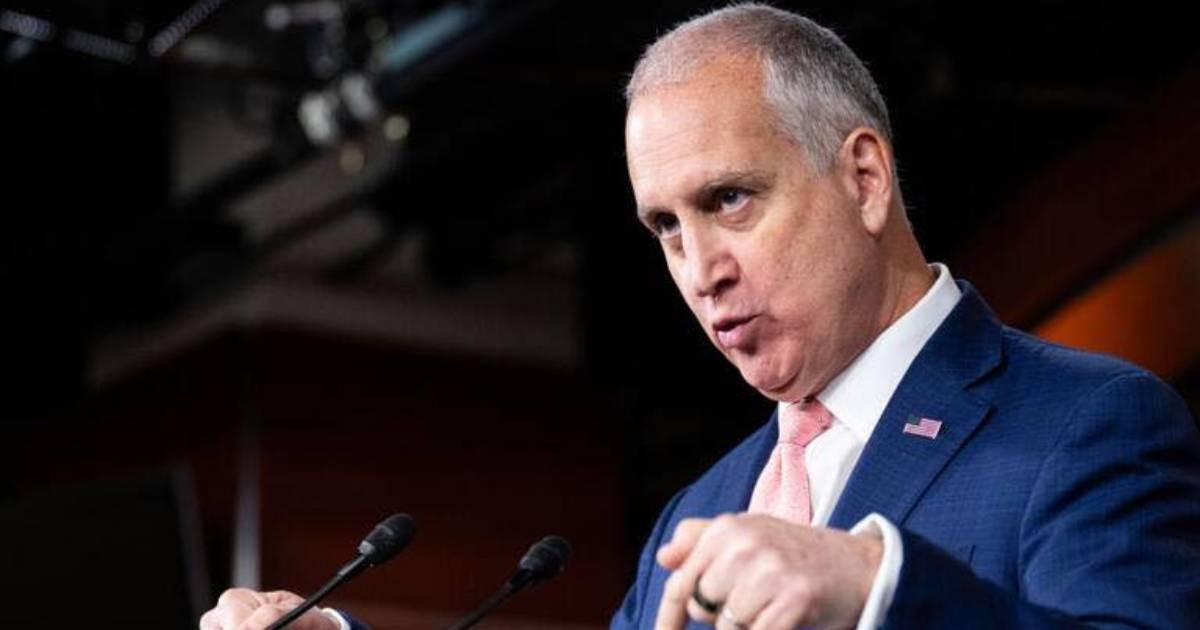
Mario Díaz-Balart, representative of Florida's 26th district, was the most direct when speaking with journalist Jackie Nespral: "My colleagues and I keep telling the administration that it was not only a major political mistake, but more importantly, it was bad policy."
Carlos Giménez, representing district 28, pointed in the same direction in statements to Fox News: “We have a large number of Hispanics here who did not like the immigration control,” admitting that this impacted the ballot boxes.
The election results from November 3 illustrate the cost: Díaz-Balart, who previously won by nearly 40 points, retained his seat by just 1,704 votes, with a margin of less than one percentage point. María Elvira Salazar survived in District 27 by only 1,090 votes, a narrow enough margin to trigger a recount.
Salazar had been the most vocal before the elections. In September, she launched a campaign ad directly confronting the president: "Mr. President, your immigration policies have gone too far," and claimed that the Hispanics who helped Trump return to the White House "feel betrayed."
Trump himself acknowledged in an interview with CBS's 60 Minutes, aired on Sunday, November 8, that his immigration policy "may have been too tough" and that mass deportations hurt him in the midterms. Although he expressed a willingness to work with the Democrats, he set a clear limit: "No amnesty, no anything."
The backdrop of these self-criticisms is an unprecedented deportation machine. The Department of Homeland Security announced that ICE deported over 483,000 individuals during fiscal year 2026, the highest number in the agency's history, and made over 491,000 immigration arrests, surpassing the total records from fiscal years 2022, 2023, and 2024 combined.
Deportations in 2026 are eight times higher than in the first year of the Biden administration.
For the Cuban community, the impact was particularly severe: the arrests of Cubans by ICE increased by 463% between October 2024 and January 2026, more than 42,000 Cubans had active deportation orders, and at least 612 were deported in the first five months of the year.
This week, a judicial setback added to that pressure: the Eleventh Circuit Court of Appeals determined on Tuesday that the I-220A form does not automatically equate to the parole required to apply for residency under the Cuban Adjustment Act, worsening the legal situation for thousands of Cubans.
One possible legislative outcome is the Dignity Act by Salazar, which now has 56 co-sponsors but still lacks a final vote in a Congress that, after the midterms, is under Democratic control.
The big question is whether the administration will adjust its course. The appointment of Stephen Miller —the main architect of the hardline immigration policy— as Chief of Staff at the White House on November 6 raises doubts about whether the president's signals of openness will translate into real changes.
Las políticas migratorias de la administración Trump y sus consecuencias siguen generando debate. Mantente informado con la cobertura completa en nuestra sección de .
Related videos:
Filed under: