
Related videos:
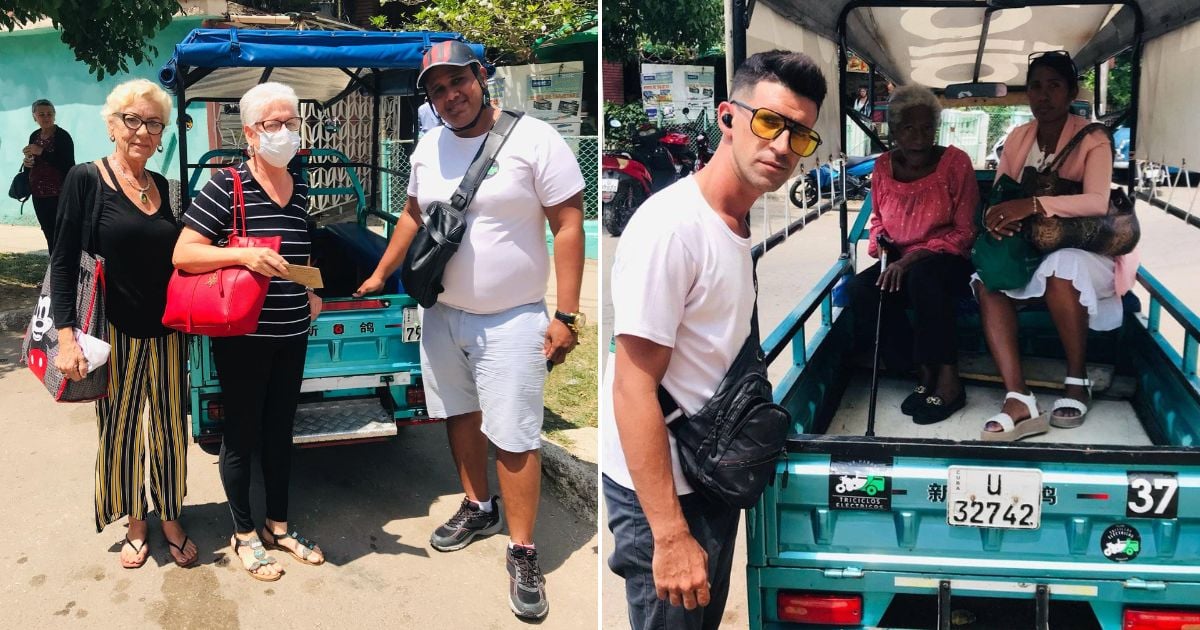
In an emotional gesture of solidarity, the Electric Tricycles Club of Havana provided free transportation to patients and their families of the Oncology Hospital of Havana this Monday, an initiative that was part of the celebration for the second anniversary of the group's creation.
"It will have all its motorcycles available for the relatives and patients of the oncology hospital in order to facilitate transportation to and from their visits," announced Georkys González Abad, a member of the club, through a post in the group Facebook “Club Triciclos Eléctricos Habana.”
The trips, which took place in the morning, were completely free and organized voluntarily by the club members, who offered their vehicles and contact information for those in need of the service.
In a subsequent post, González shared an inspiring message about the importance of taking action without waiting for perfect conditions.
"If something matters to you and you want to do it 'sooner or later,' do it now... We don't need magic to change the world; we have everything we need within us," he expressed.
In addition, she accompanied her publication with a gallery of images that showcased the positive reception of the initiative by patients and their families.
On the other hand, the group wrote to CiberCuba to share their experience: “A motorcycle club, called Triciclos Eléctricos Habana, provided free taxi service to patients and their families, bringing them a ray of hope.”
"We count on your support so that actions like these do not fade into oblivion and serve as an example for others," they requested.
These kinds of civic initiatives, born from empathy and direct action, take on special significance in a context where transportation and healthcare difficulties affect many Cubans.
Amid the profound economic deterioration that Cuba is experiencing, characterized by the scarcity of food, medicine, and basic services, civic solidarity has emerged as a vital resource to confront extreme situations.
The case of Ahittana, a girl with Lennox-Gastaut syndrome in Pinar del Río, illustrates this reality. Thanks to donations from Cubans both on and off the island, her family was able to purchase a house near the pediatric hospital, which will allow them to provide more appropriate and safe care in an environment suited to her medical needs. The mother expressed her deep gratitude to those who made this gesture possible, emphasizing that without that help, her daughter would not be alive.
Another moving example of this spirit of solidarity was revealed in Santiago de Cuba, when hundreds of people gathered seeking food at the home of José Daniel Ferrer, an opposition leader who, with the support of family and friends, cooked large quantities of rice and beans to distribute freely in his neighborhood.
Another example occurred when two women organized a collection to bring donations to children at the Amparo Filial Home, located in Havana. The initiative successfully provided clothing, toys, powdered milk, and other essential items, bringing joy to the children and their caregivers.
The organizers noted that, although their resources were limited, they could not just stand by in the face of such need. Their action was widely celebrated on social media as an example of social commitment in the absence of state responses.
Frequently asked questions about the charitable initiative of the Electric Tricycle Club in Havana
What did the solidarity initiative of the Electric Tricycles Club Habana consist of?
The Electric Tricycles Club of Havana offered free transportation to patients and families of the Oncology Hospital in Havana. This initiative was carried out to celebrate the second anniversary of the group's establishment and involved the voluntary participation of club members, who made their vehicles and contact numbers available.
How was the initiative received by the beneficiaries?
The initiative was very well received by patients and their families, who saw it as a gesture of hope and solidarity amidst the challenges of transportation and medical care in Cuba. The Electric Tricycle Club of Havana hoped that actions like these are not forgotten and serve as an example for others.
What message did Georkys González Abad share about the initiative?
Georkys González Abad, a member of the club, shared an inspiring message emphasizing the importance of acting without waiting for perfect conditions. He expressed that magic is not needed to change the world; rather, everything necessary is within us. This message was accompanied by images showcasing the positive reception of the initiative.
What is the impact of solidarity in the current Cuban context?
Solidarity initiatives hold special significance in Cuba due to economic and social challenges. Gestures like those of the Electric Tricycles Club of Havana demonstrate empathy and direct action in a context where transportation and healthcare are daily challenges for many Cubans. These actions inspire the community and highlight the importance of solidarity in difficult times.
Filed under: