
Related videos:
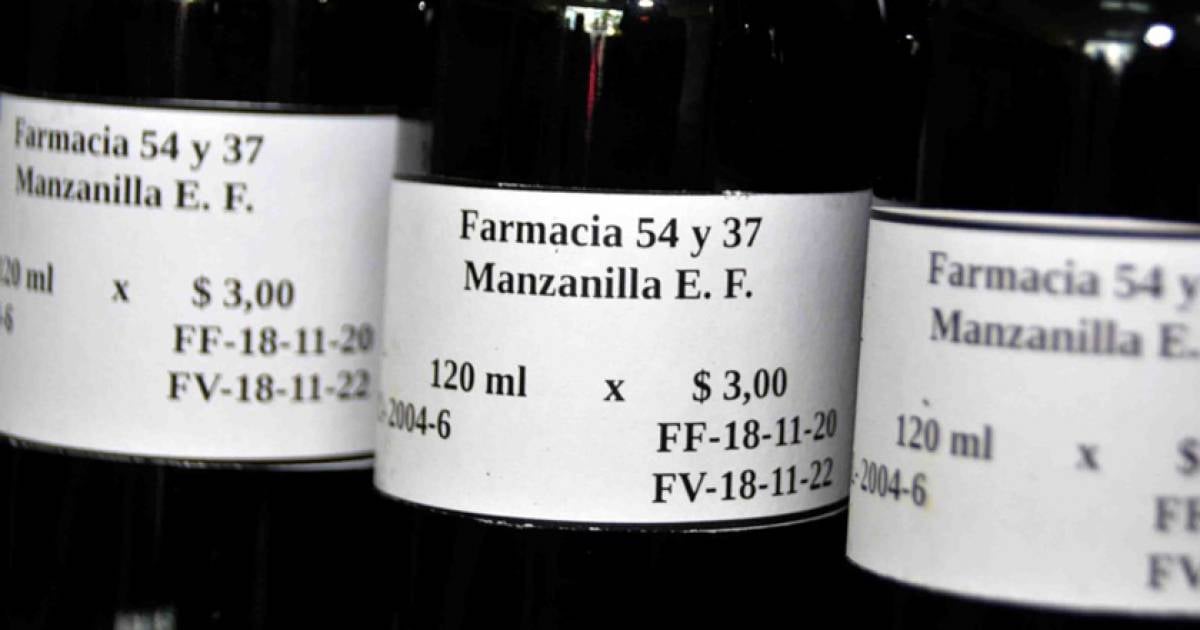
The deep crisis of the Cuban healthcare system, characterized by the shortage of medications, hospitals in critical condition, deteriorating infrastructure, and lack of food, has forced the regime to focus on the production of medicinal plants as a alternative to meet pharmaceutical demand.
In Pinar del Río, the authorities have intensified the cultivation of species with healing properties, increasing their cultivation from 50 to 100 hectares by 2025, as explained by Lérida María Sánchez Díaz, head of the Urban, Suburban, and Family Agriculture program in the province.
"The goal is to ensure the raw materials for the production of medicines, at a time when access to industrial drugs is increasingly limited," he stated in comments published in the official newspaper Granma.
A collapsed healthcare system
The health situation in Cuba is increasingly precarious. Hospitals lack basic resources, clinics are in ruins, and doctors have to improvise without essential equipment or supplies.
The shortage of medications has reached alarming levels, forcing families to purchase drugs on the black market at exorbitant prices or to resort to home remedies for common ailments.
In this context, the cultivation of medicinal plants such as aloe vera, linden, mint, and plantain has become a forced "solution." The production of these plants in Pinar del Río has increased from around 20 tons in previous years to a commitment of 48 tons for 2025, with the goal of supplying not only the province but also other regions of the country.
Survival strategy
Local authorities have established 11 farms dedicated exclusively to this activity, additionally incorporating 50 hectares of "rustic" crops such as bananas and guavas, which are used in the manufacturing of certain medicinal preparations.
“Before, we depended on other provinces to obtain plants like aloe vera, but now it is us who are sending to other regions,” stated Sánchez Díaz, who highlighted that the organopónicos in Pinar del Río are being adapted with semi-protected beds for more delicate species, such as linden.
A questioned alternative
While medicinal plants can help alleviate some ailments, specialists and patients agree that this policy is an improvised response to the collapse of the state pharmaceutical industry, which fails to meet the basic needs of the population.
The question that people keep asking is whether a country with such a scarcity of healthcare resources can solve the crisis with "infusions and poultices," while hospitals and pharmacies remain empty.
Frequently Asked Questions about the Health Crisis in Cuba and the Use of Medicinal Plants
Why is the cultivation of medicinal plants being prioritized in Cuba?
The cultivation of medicinal plants has become a strategy of the Cuban regime to address the shortage of industrial medicines due to the collapse of the healthcare system. In Pinar del Río, the planting of species with healing properties has increased to meet the unmet pharmaceutical demand.
What medicinal plants are being cultivated in Pinar del Río?
In Pinar del Río, plants such as aloe vera, linden, mint, and plantain are being cultivated for medicinal use. These plants are considered a "solution" in the face of limited access to industrial pharmaceuticals, although their effectiveness is limited and they cannot replace the need for certified medications.
Is natural medicine effective as a substitute for industrial medications in Cuba?
Natural medicine can be helpful as a complement, but it should not replace industrial medications. Specialists warn that for chronic illnesses and other medical conditions, relying solely on natural medicine lacks solid scientific support and can be dangerous.
What measures is the Cuban government taking in response to the medication crisis?
The Cuban government has promoted the use of natural medicine as an alternative due to the scarcity of industrial medications. This includes the production of syrups and artisanal compounds based on plants, although this strategy reflects more the normalization of precariousness than an effective solution to the problem.
Filed under: