
Related videos:
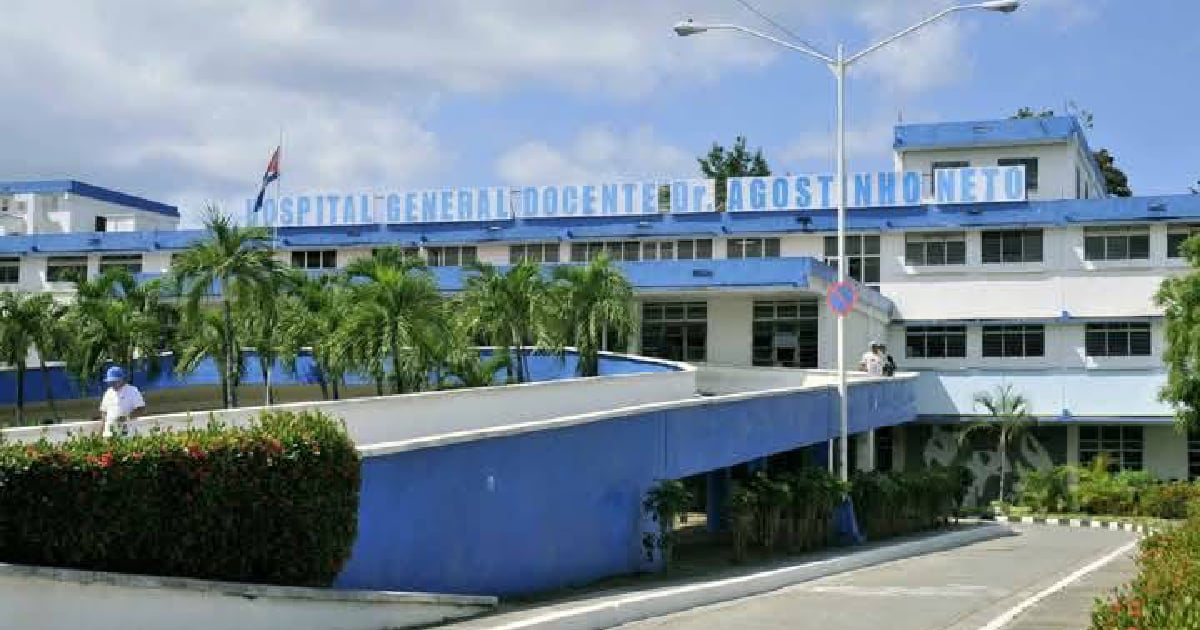
A worker from the Dr. Agostinho Neto General Teaching Hospital in Guantánamo urgently requested help to locate the family members of an elderly man who was found on the street and taken to the emergency room of the medical center, where he remains hospitalized "in serious condition".
The by journalist Miguel Reyes Mendoza, at the request of Vivianca Gómez, an employee of the health institution who shared a photo of the elderly man, whose only known name was Pascual, and who did not have any identification documents.
“It is essential to urgently seek the relatives of this gentleman who claims to be named Pascual, who was brought to our institution and has no documentation,” Gómez wrote in a text message sent to the reporter.
He added that the man had been found on the street and taken to the emergency room, "but they left him there," which suggests that those who assisted him were not people known to the patient.
“We are waiting for the Department of Social Assistance to do their job and find some relatives,” he explained.
With the evident intention of aiding in that effort, the hospital worker stated: “I took the liberty of making his photo public in case anyone recognized him and could come to the hospital,” and warned about the patient’s delicate condition: “He is alive, but his prognosis is uncertain.”
Shortly thereafter, several people identified the elderly man, whose full name is Pascual Leliebre Silva and resides in the city of Guantánamo.
According to testimonies in the comments on the post, the man lives on the streets and at one point was housed in a nursing home, but it was temporary. One user claimed that he sleeps in various locations, including the bus stop on 15 South and 8 West (La guagüita).
They also mentioned that Leliebre has children and they are aware of his situation, and they provided the exact address of his residence so that he can be located.
Many people expressed their gratitude for the humanitarian gesture of the hospital worker for seeking help for a vulnerable individual.
As of the time of publishing this note, it has not been reported whether Leliebre's family has been contacted by the hospital staff.
In Cuba, thousands of people survive in extreme poverty, mostly retirees who, after decades of work, are forced to subsist on the streets. The government attributes the increase in beggars to family neglect and the tightening of the United States embargo.
Recently, following the statements of a minister denying the existence of begging in the country, the regime acknowledged that more than 310,000 people are in a state of poverty or social vulnerability, amid a deep economic crisis.
Frequently Asked Questions about Elderly Individuals in Vulnerable Situations in Cuba
What is the current situation of Pascual Leliebre Silva in Guantánamo?
Pascual Leliebre Silva was found on the street and taken to the emergency room of the Dr. Agostinho Neto General Teaching Hospital in Guantánamo, where he is currently hospitalized with an uncertain prognosis. Hospital worker Vivianca Gómez has called for help to locate his family. According to comments on social media, Pascual lives on the streets and has children who are aware of his situation, but so far, it has not been confirmed whether they have been contacted.
How does poverty affect the elderly in Cuba?
In Cuba, many elderly people live in extreme poverty, especially those who have worked their entire lives and are forced to survive on the streets. The country's economic situation is critical, and the government attributes the increase in beggars to familial neglect and the U.S. embargo. However, the government's inaction in these cases is evident, and the lack of effective protocols to assist elderly individuals in vulnerable situations is becoming increasingly noticeable.
What can be done to help homeless elderly people in Cuba?
Citizen solidarity is key to helping the elderly living on the streets in Cuba. Donations of food, clothing, beds, and other necessary items can be made to improve their quality of life. Additionally, it is important to support initiatives aimed at finding family members through social media and independent media outlets. Social pressure and the dissemination of these cases can help mobilize resources and attention towards these vulnerable individuals.
What is the role of social media in the search for missing persons in Cuba?
Social media plays a fundamental role in the search for missing persons in Cuba. In the absence of quick and effective responses from authorities, family members, friends, and citizens turn to these platforms to spread alerts and seek assistance. The rapid circulation of these posts can create a movement of solidarity and cooperation that is crucial for locating missing persons, especially in a context where official channels are limited.
Filed under: