
Related videos:
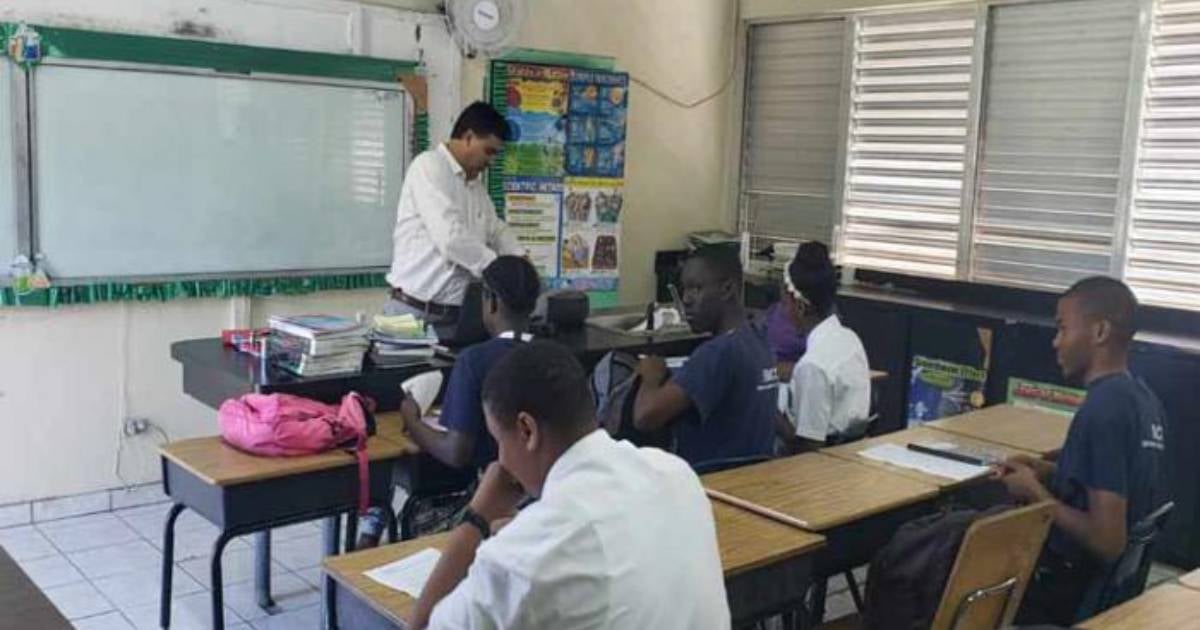
Around 110 Cuban teachers will return next week to the classrooms in the Bahamas under a renewed hiring system that the government implemented following warnings from the United States about previous recruitment agreements with Havana.
The Director of Education, Dominique McCartney-Russell, confirmed that educators whose contracts are still active will return to their positions, while others will not return due to the expiration of their agreements, according to the local press.
He emphasized that the presence of Cubans is crucial to filling gaps in various teaching areas.
"We have worked hard to ensure access to education for all children, and having these teachers back is a real relief, although we still have needs to address," stated McCartney-Russell.
The official acknowledged that, despite the initial uncertainty, she anticipates the arrival of the teachers. “Some had doubts and were asking questions, but we trust that they will return,” she stated.
The new scheme emerged after Washington warned that the previous model—managed through Cuban state agencies—constituted a form of forced labor, as leaks revealed that the Cuban government retained most of the salaries paid by the Bahamas, while teachers received only a fraction.
United States even threatened visa sanctions against Bahamian officials and their families if they continued that practice.
In June, the Minister of Health and Wellness, Michael Darville, announced that the hiring of Cuban professionals would be done directly with the Bahamian government, eliminating intermediaries.
As part of this change, recruitment trips to Cuba were canceled and the search for teachers was opened in the United States, Canada, and among retired educators from the Bahamas.
However, there remains a deficit of 30 to 35 teachers in the educational system. The vacancies include eight language teachers, seven technical studies teachers, seven performing arts teachers, six early childhood education teachers, three physical education teachers, and six health and family life teachers.
The president of the Bahamas Teachers' Union, Belinda Wilson, criticized the Ministry for canceling recruitment trips to Cuba without first consulting the union.
According to official data, there are currently about 130 Cuban teachers working in various public schools in the Bahamas.
Frequently Asked Questions about the Recruitment System for Cuban Teachers in the Bahamas
Why are Cuban teachers returning to the Bahamas under a new recruitment system?
Cuban teachers are returning to the Bahamas under a new hiring system due to warnings from the United States regarding prior recruitment agreements, which it labeled as a form of forced labor. The new scheme allows for direct hiring with the Bahamian government, eliminating Cuban intermediaries.
What problems did Cuban teachers face under the old hiring system?
Under the previous system, the Cuban government retained most of the salaries paid by the Bahamas to teachers, while the teachers only received a fraction. The United States regarded this as forced labor and threatened sanctions against Bahamian officials.
How many Cuban teachers will return to work in the Bahamas?
Around 110 Cuban teachers will return to work in the Bahamas under the new hiring system. However, some teachers will not return due to the expiration of their contracts.
Which teaching areas in the Bahamas need more teachers?
Bahamas faces a deficit of 30 to 35 teachers in its education system. The areas most in need include language teachers, technical studies, performing arts, early childhood education, physical education, and health and family life.
How did the pressure from the United States affect the agreements for hiring Cuban personnel in the Bahamas?
The pressure from the United States, which labeled the previous agreements as forms of labor exploitation and forced labor, prompted the Bahamas to amend its hiring agreements. Now, the recruitment of Cuban teachers and doctors will be conducted directly with the Bahamian government, eliminating the mediation of Cuban state agencies.
Filed under: