
Related videos:
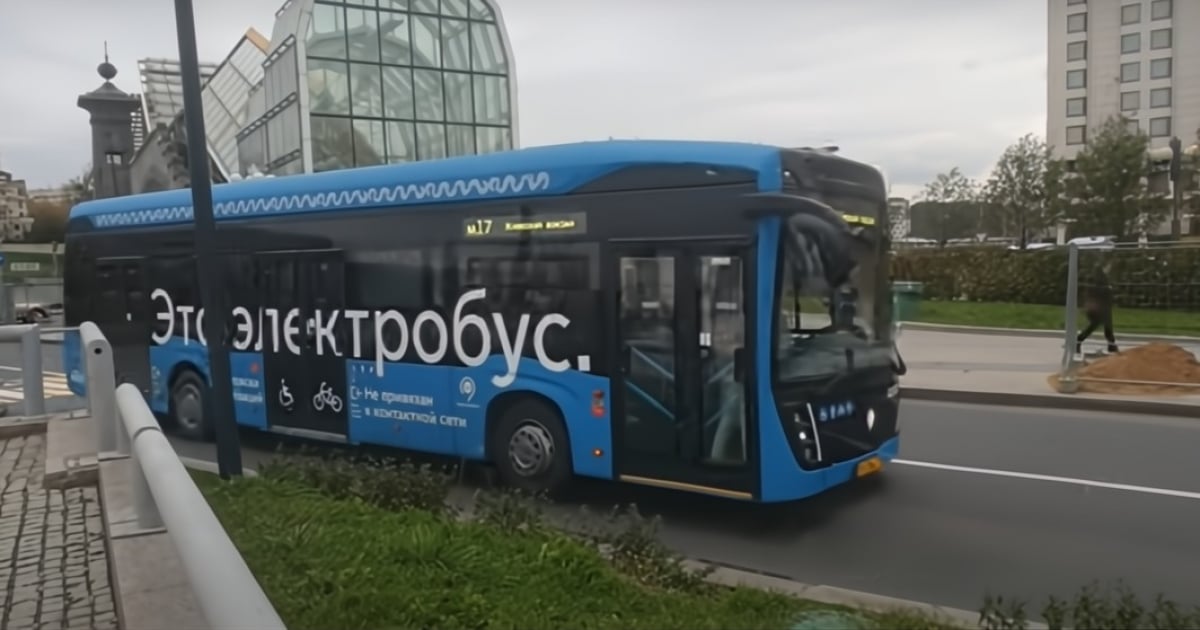
A delegation from the Ministry of Transport of Cuba (MITRANS) participated in the International Transport Summit in Moscow, where they signed a joint declaration to join the Urban Transport Data initiative, promoted by the Moscow City Hall, aimed at utilizing urban data to enhance transportation management.
The Minister of Transport, Eduardo Rodríguez Dávila, reported through his Facebook account that the delegation was led by the First Deputy Minister Luis R. Rosés Hernández. They held meetings with representatives from countries in Latin America, Africa, the Middle East, and Asia, with the aim of exchanging experiences on sustainable practices.
The minister described the experience as positive and assured that the goal is to "learn the best practices and leverage them according to the priorities in Cuba, always with an eye on improving service quality."
However, these types of statements contrast sharply with the reality faced by the Cuban people, who are mired in a transportation crisis that has persisted for decades and has not been resolved despite foreign investments or repeated international donations.
Donations that are not enough
In 2025, the regime received shipments of parts and components from China, aimed at reviving the deteriorated bus fleet of Havana. The first delivery arrived in August and was sent to the Evelio Prieto Bus Company in Guanajay.
Despite the announcement of the recovery of between 40 and 50 vehicles before the end of the year, this promise is merely a temporary solution amidst the technical collapse of the system.
In March, Minister Rodríguez himself acknowledged before the National Assembly that in 2024 only 35% of the planned bus services were executed, due to a lack of fuel and spare parts.
The deterioration of public transportation in Cuba has reached alarming levels. Nearly half of the more than 2,500 routes in the country are paralyzed, and many operate with just two trips per day.
Terminals like San Agustín and Arimao have become true bus graveyards, where hundreds of dismantled buses lie under the sun, rusted and beyond repair.
Exchanges without concrete results
Cuba's participation in international forums and the signing of agreements such as Urban Transport Data are seen as progress, but experience shows that these exchanges rarely result in tangible improvements for the population.
Instead of sustainable solutions, what persists is the reliance on donations and the lack of an effective strategy for the maintenance, renewal, and planning of public transportation.
State management, characterized by inefficiency, has proven unable to sustain the few advancements achieved over time. New buses arriving in the country quickly deteriorate due to a lack of maintenance, fuel, or trained personnel.
Frequently Asked Questions about the Transportation Crisis in Cuba and International Cooperation
Why is the transportation system in Cuba collapsing?
The transportation system in Cuba is collapsing due to poor state management, a shortage of fuel and spare parts, and a lack of proper maintenance. Despite receiving international donations and signing cooperation agreements, significant improvements in transportation infrastructure have not been achieved.
What actions has Cuba taken to improve its transportation system?
Cuba has participated in international forums such as the International Transport Summit in Moscow and has signed agreements like the Urban Transport Data to enhance transport management. Additionally, it has received donations of parts and equipment from countries such as China to revitalize its fleet of buses. However, these actions have not led to tangible improvements for the population due to persistent mismanagement and a lack of an effective strategy.
What role does international cooperation play in the Cuban transport crisis?
International cooperation has provided Cuba with donations of parts and equipment to repair its deteriorated bus fleet. China and Russia are some of the main collaborators in these efforts. However, external assistance has not addressed the underlying issue, which is the inefficient state management and the lack of planning and ongoing maintenance.
How do transportation issues affect daily life in Cuba?
Transportation issues in Cuba have a significant impact on the daily lives of citizens. Long waits, route suspensions, and a lack of buses affect urban mobility and hinder access to essential services such as education and healthcare. The situation is worsened by fuel shortages and frequent mechanical failures.
Filed under: