
Related videos:
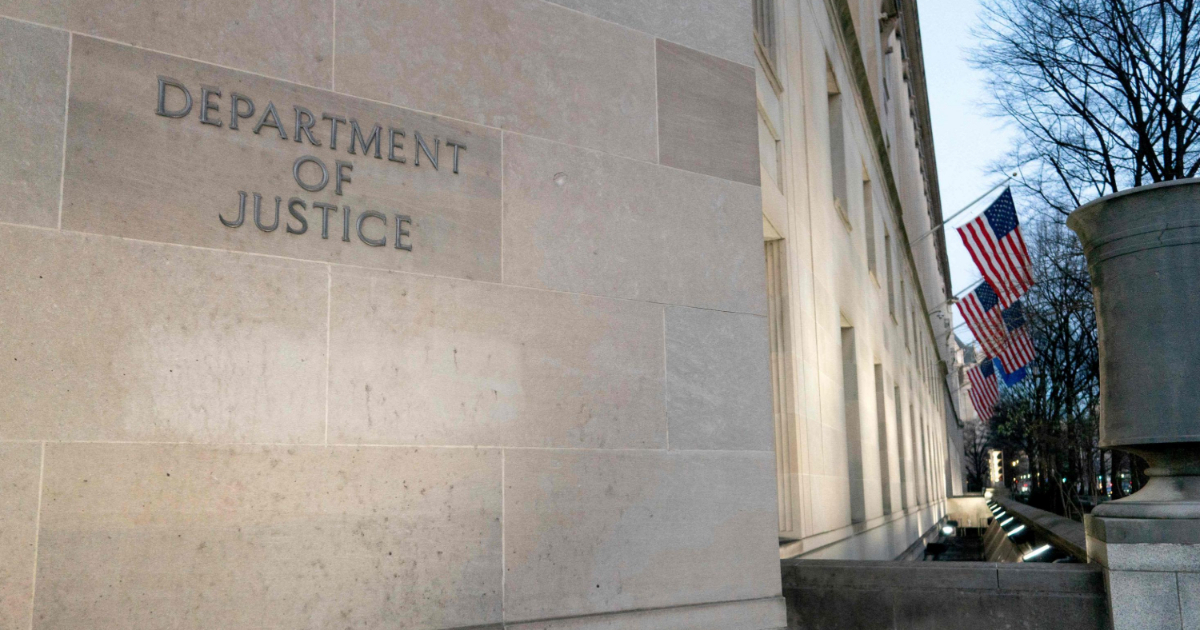
The United States Secretary of Defense, Pete Hegseth, approved the deployment of up to 600 military lawyers to the Department of Justice to serve as temporary immigration judges, according to an internal memorandum dated August 27 and reviewed by The Associated Press.
The first groups, consisting of 150 lawyers each, will be made up of military and civilian personnel, and they could begin to be incorporated "as soon as possible," the source reports.
It details that the Pentagon asked each branch of the Armed Forces to identify their candidates during this week.
The measure is part of the Trump administration's strategy to intensify immigration control with more arrests and deportations, which has overwhelmed a judicial system that is already handling a backlog of around 3.5 million cases.
Immigration attorney organizations criticized the decision, calling it an attempt to "undermine" the independence and quality of the courts.
"Expecting fair decisions from judges without training in immigration law is absurd," said Ben Johnson, director of the American Immigration Lawyers Association, who compared the measure to "having a cardiologist perform a hip operation."
According to the judges' union, more than 100 immigration judges have been fired or pressured to resign in the past year. Just in July, at least 17 were dismissed "without cause," which has reduced the number of active judges to around 600. The Pentagon's decision, if fully implemented, would double that number, they warn.
The mandate states that military lawyers may only serve as judges for periods of up to 179 days, although the term is renewable.
Former judges warn that the military lacks the necessary training. Jennifer Peyton, who was removed from her position in July after overseeing the training of judges in Chicago, explained that the process includes weeks of intensive training, mentoring, and a two-year probation period.
"Six months are just enough to start understanding the complexity of the system," he stated.
In addition, it was noted that the measure does not include more administrative personnel or translators, which are essential in immigration hearings where decisions can be a matter of life or death.
The Pentagon clarified that the participation of the lawyers will depend on their availability and that it may be necessary to mobilize reserve officers.
The memorandum also warns that the Posse Comitatus Act must be upheld, which prohibits the use of armed forces for domestic law enforcement.
The White House defended the measure, considering it part of a broader plan to ease the burden on the courts, although it did not provide details about its implementation.
Frequently Asked Questions about the Pentagon's Decision to Use Military Attorneys as Immigration Judges
Why has the Pentagon authorized 600 military lawyers to act as immigration judges?
The authorization aims to ease the burden on the immigration judicial system, which is facing a backlog of around 3.5 million cases due to the tightening of immigration controls by the Trump administration.
¿Qué críticas ha recibido la decisión de usar abogados militares como jueces de inmigración?
Immigration lawyer organizations have criticized the measure, arguing that military lawyers lack the proper training in immigration law, which could compromise the independence and quality of judicial decisions.
What is the maximum time that military lawyers can serve as immigration judges?
Military lawyers will only be able to serve as judges for periods of up to 179 days, although this period can be renewed based on the needs of the immigration judicial system.
How is this measure related to Trump's immigration policies?
The measure is part of the Trump administration's strategy to intensify immigration controls through increased arrests and deportations, which has led to a collapse in the immigration judicial system. The deployment of military lawyers aims to expedite judicial processes in light of the rising number of pending cases.
Filed under: