
Related videos:
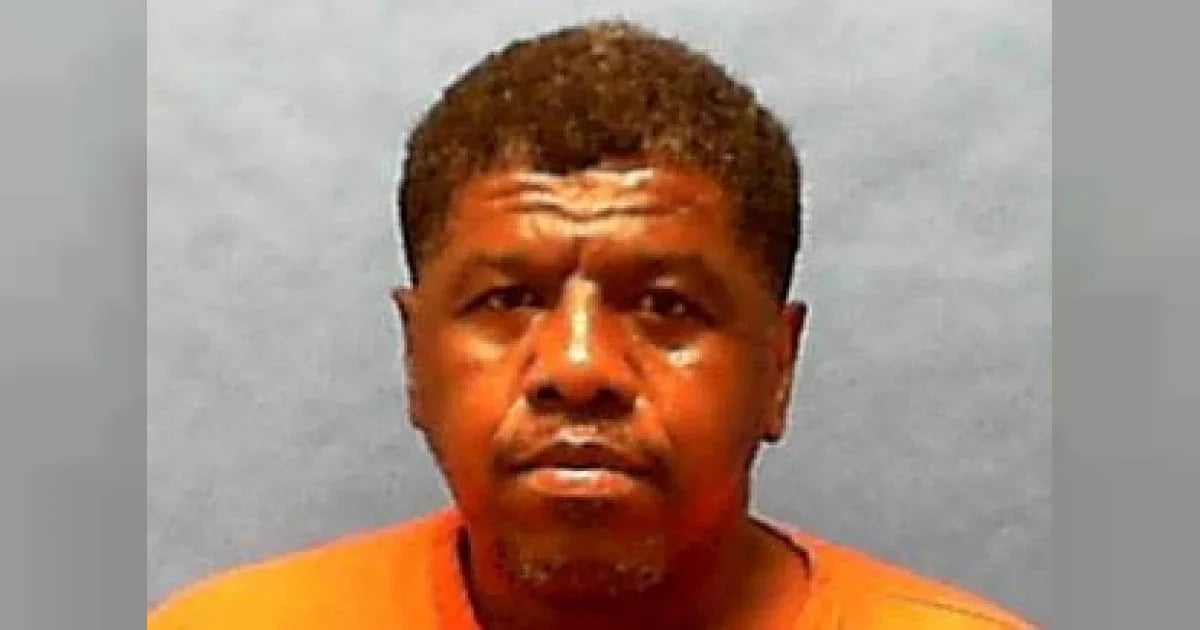
Florida is preparing to carry out the execution of Curtis Windom this Thursday, a 59-year-old man convicted of the murders of his girlfriend, her mother, and a man, which occurred in 1992 in the Orlando area.
Windom will receive a lethal injection at the Florida State Prison near Starke after the U.S. Supreme Court rejected his latest appeals on Wednesday.
It will be the eleventh execution of the year in the state, a figure that sets a historic record and positions Florida as the territory with the most executions in the United States in 2025.
With his death, the number of people executed this year in the country will rise to 30, consolidating the State of the Sun at the forefront of a trend marked by the signing of multiple orders by the Republican governor Ron DeSantis.
The next execution in the country will also take place in Florida: David Joseph Pittman, 63, is scheduled to be executed on September 17, which will extend this unprecedented wave of capital punishment in the state.
A crime that shook Orlando
Windom was sentenced to death for the murders of Johnnie Lee, Valerie Davis, and Mary Lubin, which took place on November 7, 1992.
According to court records, that day a friend informed him that Lee, who allegedly owed him $2,000, had won money at a racetrack. Windom replied, "You're going to read about me," hinting at his plans for revenge.
According to the testimony presented at the trial, Windom went to a Walmart, bought a .38 caliber revolver and a box of 50 cartridges, and shortly afterward went in search of Lee. He found him, shot him twice in the back from his car, and then finished him off with two more close-range shots.
After that first attack, he went to his girlfriend's apartment, Valerie Davis, with whom he had a child together. There, he shot her fatally "without any provocation," in the presence of a friend who witnessed the crime.
Minutes later, he randomly shot another man before encountering Mary Lubin, Valerie's mother, whom he killed with two shots in her car while she was stopped at a traffic light.
As a result of these actions, Windom was sentenced to death, in addition to receiving a 22-year prison sentence for attempted murder.
Appeals and legal disputes
Windom's lawyers have filed multiple appeals over the decades. They argued that evidence of his mental health issues was not adequately presented during the trial and that the defense was hindered by the incompetence of his lawyer.
However, the Florida Supreme Court ruled that these omissions did not affect the case.
In addition, the Prosecutor's Office presented evidence that Windom was a drug dealer and that Valerie Davis and her mother Mary Lubin were police informants, which reinforced the motive for the murders.
Florida, at the center of the death penalty debate
Since the U.S. Supreme Court reinstated the death penalty in 1976, Florida has never executed as many people in a single year. The previous record was eight executions in 2014, which has now been significantly surpassed.
So far in 2025, Florida has executed more inmates than any other state, surpassing Texas and South Carolina, which have each executed four.
The most recent execution took place on August 19, when Kayle Bates, 67 years old, was executed for the murder of a woman in Bay County in 1982.
That crime, marked by kidnapping, aggression, and murder, kept the victim's family waiting for justice for over 40 years.
Bates' execution was the tenth of the year and preceded Windom's, confirming the acceleration of capital punishment processes under DeSantis' administration.
Protests and criticism of the execution method
Executions in Florida are carried out by lethal injection using three drugs: a sedative, a paralytic agent, and a compound that stops the heart.
This procedure has been questioned by human rights organizations and medical experts, who warn about the risk of extreme suffering if not administered correctly.
At the same time, civil and religious groups have intensified their protests against what they describe as an "inhumane pace" of executions.
The organization Floridians for Alternatives to the Death Penalty (FADP) stated that "every execution dehumanizes us all," while the Archbishop of Miami, Thomas Wenski, pointed out that a life sentence would be a severe punishment that respects human dignity.
A contrast with the national trend
Although Florida is experiencing an unprecedented surge in the application of the death penalty, the rest of the country is moving in the opposite direction.
Recent Gallup surveys show that support for the death penalty is at one of its lowest levels since the 1970s: only 53% of Americans back it, well below the peaks of 80% recorded in past decades.
Despite the criticisms and the campaigns against it, Florida remains on course.
With the execution of Curtis Windom, the state reaffirms its role as a leader in the application of the death penalty in 2025, a year that will go down in history as the one with the highest number of executions in its recent history.
Frequently Asked Questions about the Death Penalty in Florida in 2025
Why has Florida reached a record number of executions in 2025?
Florida has reached a record number of executions in 2025 due to aggressive policies pushed by Governor Ron DeSantis, who has signed multiple execution orders. This has led the state to execute more individuals than any other in the United States this year, placing it at the forefront of a trend characterized by a significant increase in the application of the death penalty.
What is the method of execution used in Florida?
Florida uses lethal injection as a method of execution. This procedure includes a sedative, a paralytic agent, and a compound that stops the heart. Although it is the standard method, it has been questioned for its potential to cause extreme suffering if not administered correctly.
What controversies surround executions in Florida?
Executions in Florida have sparked protests and criticism due to the accelerated pace and the methods used. Human rights organizations and religious groups have denounced that these practices "dehumanize" society and have called for alternatives such as life imprisonment without parole. Furthermore, there is a debate regarding the ethics and effectiveness of the death penalty in general.
What is Ron DeSantis's administration's stance on the death penalty?
The Ron DeSantis administration has taken a firm stance in favor of the death penalty, using this measure as a tool in its "law and order" agenda. DeSantis has promoted legislative changes that facilitate the imposition of capital punishment, even without jury unanimity, and he has personally signed several execution orders.
Filed under: