
Related videos:
The Ministry of Energy and Mines of Cuba reported this Wednesday on its official X account that the recovery process of the National Electric System (SEN) is progressing after the massive blackout that left the island without service.
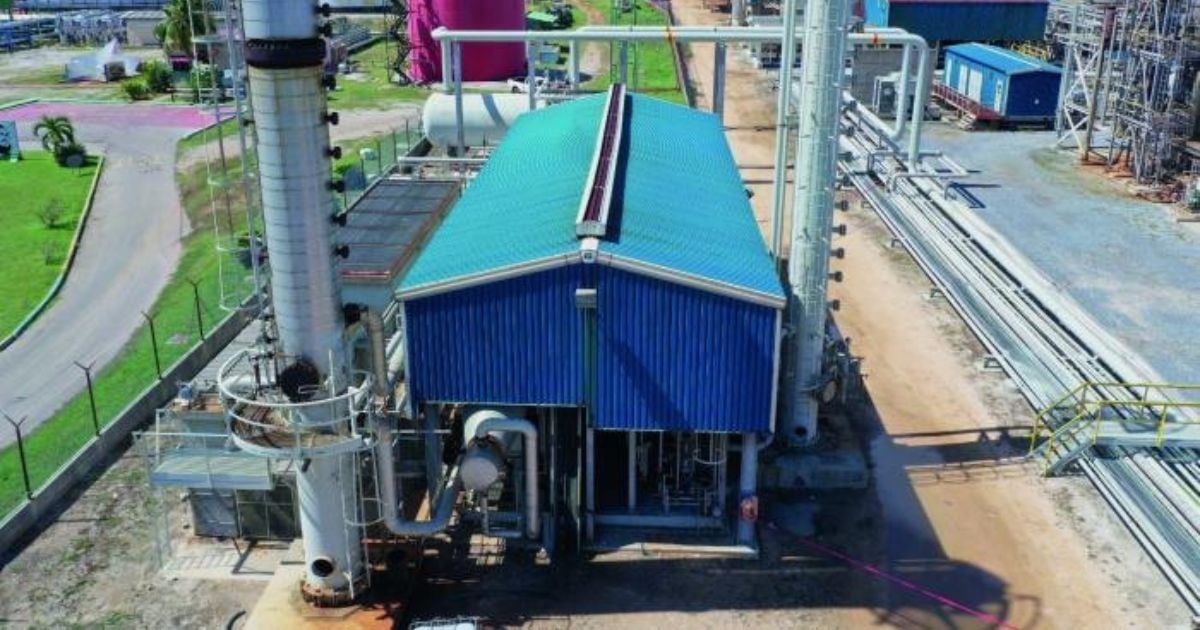
According to the entity, Energás Varadero is in the startup process, Boca de Jaruco is already delivering energy, and preparations are underway for the startup of unit 1 of the CTE Santa Cruz.
These measures are part of the authorities' efforts to reconnect the National Electric System after the fifth national power outage in less than a year.
The First Secretary of the PCC in Matanzas, Mario Sabines Lorenzo, also shared updates on Facebook about the synchronization of Energas.
A pattern of collapses
The recent history reflects the fragility of the SEN:
October 18, 2024: General blackout due to failure at Guiteras.
November 6, 2024: Total disconnection during the passage of Hurricane Rafael.
December 4, 2024: Another drop due to a malfunction at Guiteras.
March 14, 2025: Collapse due to failure at the Diezmero substation (Havana).
September 10, 2025: Last national fall due to unexpected exit of the Guiteras.
Just days earlier, on September 7, another breakdown had left the eastern provinces from Las Tunas to Guantánamo without electrical service, highlighting the increasing frequency and intensity of massive blackouts.
A collapsed system
The Cuban Electric Union (UNE) itself acknowledges that most thermal power plants have been in operation for over 40 years without capital maintenance, suffering from outdated infrastructure, fuel shortages, and a chronic lack of investment.
The result is a structural energy crisis that affects every aspect of life in Cuba and that the government has been unable to resolve, despite repeated promises to stabilize the electrical system.
Frequently Asked Questions about the Electric Crisis in Cuba
What caused the massive blackout in Cuba on September 10, 2025?
The massive blackout was caused by the unexpected shutdown of the Antonio Guiteras Thermal Power Plant in Matanzas. This plant is the largest and most important in Cuba, and its disconnection led to the complete collapse of the National Electric System (SEN). The exact cause was a "false signal" in the automatic system that forced the plant's operations to halt, according to the authorities.
Why is Cuba's National Electric System so vulnerable?
The vulnerability of the Cuban SEN is the result of an obsolete infrastructure, lack of maintenance, and fuel shortages. Most thermoelectric plants have gone over 40 years without receiving major maintenance. Additionally, the generation deficit and the lack of investment exacerbate the situation, making the system prone to constant failures.
What measures is the Cuban government taking to address the electricity crisis?
The Cuban government has implemented the creation of "microsystems" to maintain supply in strategic areas such as hospitals and water pumping stations. Additionally, it promotes solar projects and battery systems to enhance electric generation. However, these measures are insufficient to address the structural causes of the crisis.
How does the electricity crisis affect daily life in Cuba?
The electricity crisis impacts all aspects of daily life in Cuba, from food preservation to access to essential services like transportation and communication. Prolonged blackouts also create social unrest, with many Cubans expressing their frustration and despair over the lack of effective solutions.
Filed under: