
Related videos:
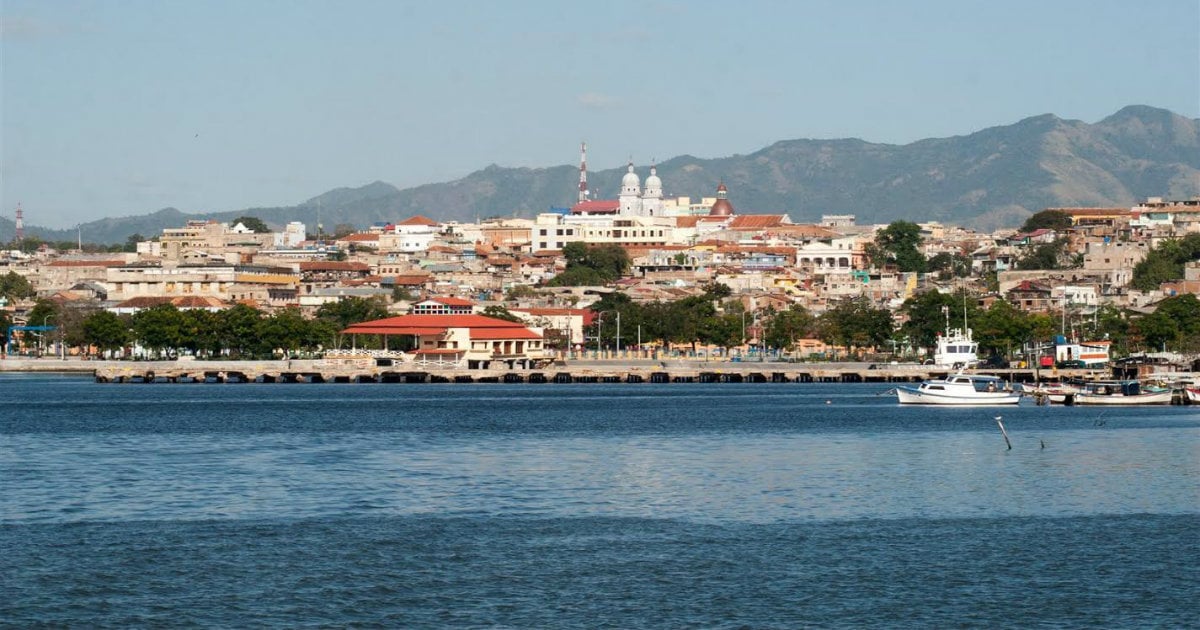
The province of Santiago de Cuba has restored its connection to the National Electric System (SEN) after more than 24 hours without service, as reported this Thursday by the Ministry of Energy and Mines (MINEM).
The interruption was part of the total collapse of the Cuban energy system recorded on Wednesday, which left much of the country, including the eastern region, without electricity.
“The province of Santiago de Cuba is now connected to the Electric System,” stated the organization in a brief note published on its official X account.
The confirmation also reached social media through the account of the Electric Union, which shared the same brief and triumphant message on X.
In a recent update on the state of the SEN, the Ministry of Energy and Mines reported on X that the boilers are now ignited and the startup of Unit 6 of the Mariel CTE and the Guiteras CTE is underway.
It was reported by the official local broadcaster on Facebook that "the generation capacity deficit persists."
Additionally, he stated: "Circuit 1 is currently in service, Circuit 8, and sections 18 and 15 are being serviced, as well as San Juan. Gradually, service will be restored to the rest of the circuits," indicating that, despite the triumphant announcement, the situation is still critical.
Cuba woke up this Thursday with an apparent improvement in its electricity crisis, but the relief was incomplete: the Electric Union (UNE) had reported that at 7:36 a.m. the National Electric System was partially connected, as entire provinces like Pinar del Río, Granma, Santiago de Cuba, and Guantánamo remained completely in the dark.
Additionally, it was reported that at 8:00 a.m., the country was generating only 1,000 megawatts with its outdated technology, while the nation requires at least triple that amount.
The total collapse of the national electrical system occurred this Wednesday at 9:14 a.m., leaving the entire country without service. The cause was – once again – the unexpected outage of the CTE Antonio Guiteras.
That automatic failure took the largest block in the country offline and dragged down the entire national electrical system, causing a widespread blackout that paralyzed the island from end to end.
Although officials and state media attempted to convey a sense of calm, the reality is that the restoration has been chaotic.
This is already the fifth national blackout in less than a year –and the second one in 2025–, a record that highlights the precariousness of the infrastructure and the lack of real investment in the energy sector.
In October and December of 2024, Guiteras itself collapsed, leaving the country without power. In November, Hurricane Rafael caused another total blackout.
In September of this year, a failure in the 220 kV Nuevitas-Tunas line left the entire eastern part of the country in darkness, with collateral effects reaching as far as the west.
The last incident was in March of last year when a failure at the Diezmero substation in Havana completely disconnected the SEN.
Frequently Asked Questions about the Massive Blackout in Cuba and the Energy Crisis
Why did the massive blackout occur in Cuba on September 10, 2025?
The massive blackout in Cuba on September 10, 2025, was caused by the unexpected shutdown of the Antonio Guiteras Thermoelectric Power Plant in Matanzas, due to a false signal of superheated steam in the boiler that triggered the automatic system, disconnecting the thermal block. This event left the entire island without electricity, highlighting the fragility of the National Electric System (SEN) and the lack of proper maintenance in the country's energy infrastructure.
How long was Santiago de Cuba without electricity after the collapse of the SEN?
Santiago de Cuba remained without electricity for more than 24 hours after the collapse of the National Electric System (SEN) on September 10, 2025. The province was reconnected to the SEN on September 11, as reported by the Ministry of Energy and Mines of Cuba, although other areas of the country continued to be without electrical service.
What measures is the Cuban government taking to address the energy crisis?
The Cuban government has implemented the creation of "microsystems" for electricity to ensure service in some objectives considered vital, such as hospitals and water distribution centers. However, this measure is seen as a temporary fix that does not address the structural crisis of the electrical system. Additionally, the government has promised to investigate the causes of the collapses and improve the infrastructure, although these efforts have been insufficient so far.
What is the current situation of the thermoelectric plants in Cuba after the blackout?
According to the Ministry of Energy and Mines, the nationwide blackout did not cause damage to the country's thermoelectric plants. However, several units remain out of service due to maintenance or breakdowns, worsening the electricity generation deficit. The Antonio Guiteras thermoelectric plant, vital to the national system, needs to receive external power to restart operations, which depends on the stability of the system in other regions.
Filed under: