
Related videos:
Amid the chaos caused by the nationwide blackout that has left Cuba in darkness, authorities in Santiago de Cuba announced the sale of syrup and jam for children with low weight and height, as well as 250 grams of sweet cookies for children between the ages of 1 and 6 "to minimize impacts."
The measure, which aims to gloss over the severity of the energy and food crisis, was presented by the official press as a relief, but it sparked outrage and mockery among the population.
The coordinator of government programs for the province, Edelva Marín Medina, stated to the newspaper that the distribution of rice pending from previous months continues, and the warehouses are ready to dispatch goods "as long as the daylight allows," a reflection of how life in the second most important city in the country regresses to pre-electric survival conditions.
The director of the Food Company, Jorge Luis Arce Ferrer, reported that 86 generators and 114 wood-fired ovens have been activated to ensure the supply of bread in the basic food basket.
Meanwhile, the Ministry of Commerce is setting up food sales points "according to the purchasing power of the people."
Meanwhile, water delivery is subject to changes due to system instability, confirmed officials from the Aguas Santiago Company.
Far from being a relief, these provisions were met with skepticism and irony by the citizens.
"No, you must be sick; it can't be that you glorify this trash," commented an internet user.
A young university student joked, "Well, with two pounds of rice, jam, and syrup, we can really face whatever comes our way."
Another user concluded: "Syrup and jam are exactly what underweight children need."
A crisis that recurs without resolution
The makeshift measures in Santiago come after the fifth nationwide blackout in less than a year, a figure that highlights the fragility of the National Electric System (SEN) and the regime's inability to guarantee the most basic necessity: electricity.
The last outage occurred this Wednesday at 9:14 AM, when the Antonio Guiteras thermoelectric plant unexpectedly went offline, causing the total collapse of the national electric system.
It is not an isolated incident: in October and December 2024, the same power plant left the country without electricity; in November of that year, Hurricane Rafael caused another total blackout; in March 2025, there was a failure at the Diezmero substation in Havana; and
On September 7th, a fault in the Nuevitas-Tunas line caused a blackout across all of eastern Cuba.
The failure of a model
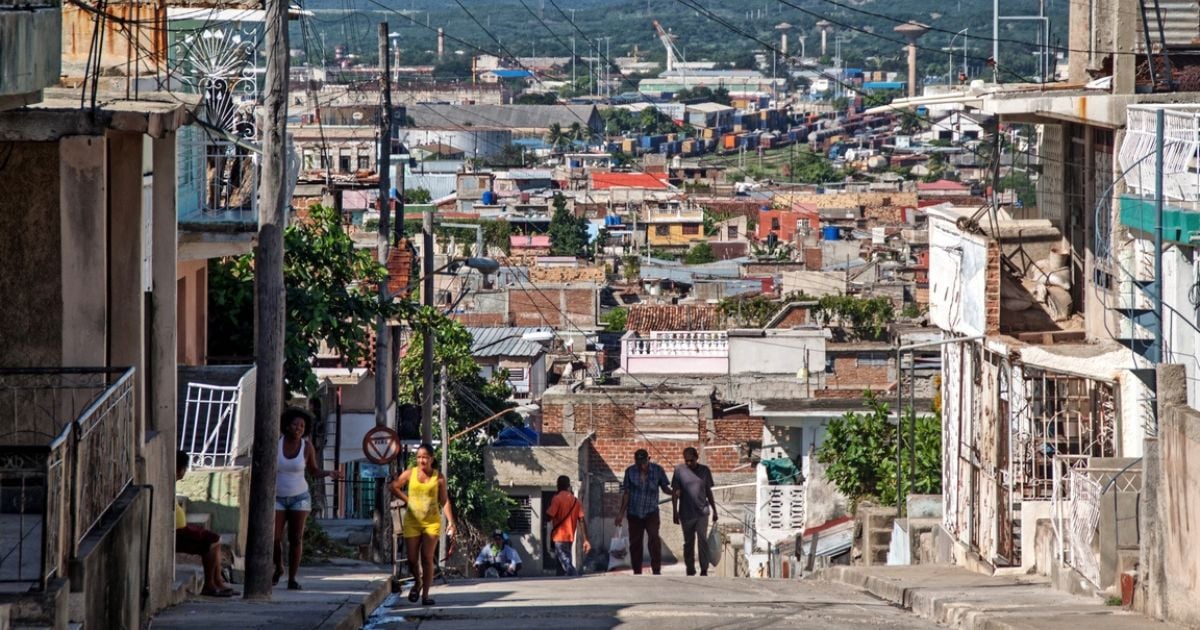
The scenes currently unfolding in Santiago de Cuba—wood-fired ovens to compensate for the lack of electricity, delayed rice distribution, and the sale of syrup as a "nutritional alternative"—illustrate the failure of a system that, after more than six decades in power, keeps the country in conditions of misery.
While the regime repeats that "the causes are being investigated" and that "progress is being made in recovery," millions of Cubans rely on makeshift solutions that resemble wartime conditions more than everyday life in the 21st century.
Frequently Asked Questions about the Food and Energy Crisis in Santiago de Cuba
Why is the government of Santiago de Cuba selling jam and syrup to children?
The government of Santiago de Cuba has announced the sale of jam and syrup for children with low weight and height as a measure to "minimize impacts" during the massive blackout. However, this action has been criticized by the public, who see it as an attempt to gloss over the seriousness of the energy and food crisis affecting the country.
How does the energy crisis affect food distribution in Santiago de Cuba?
The energy crisis has led to the implementation of improvised measures, such as the use of generators and wood stoves for the production of bread for the basic basket. Authorities have reported that the stores only operate while there is daylight, which further delays the distribution of essential food items.
What impact does the flour shortage have on bread production in Santiago de Cuba?
The shortage of flour has halted bread production in Santiago de Cuba. The province relies on flour that arrives sporadically from Havana, which necessitates implementing a rotational distribution system. This situation has severely affected the population, who are struggling to access this basic food item.
What is the situation regarding the distribution of milk for children in Santiago de Cuba?
The distribution of powdered milk for children in Santiago de Cuba is irregular. Only 20 days' worth of milk has been delivered for children aged 0 to 1 year, while children aged 2 to 6 continue to wait for the product. This situation reflects the difficulties in managing basic resources on the island.
How is the food distribution in Santiago de Cuba being managed amid the crisis?
The distribution of food in Santiago de Cuba is carried out in a fragmented manner, with significant delays and reliant on international donations. The delivery of basic products such as rice, sugar, and oil faces constant setbacks, impacting the food security of the population.
Filed under: