
Related videos:
The health authorities of Matanzas confirmed that there have been no reported deaths from the current outbreak of mosquito-borne viruses in the province, although they acknowledged that all 13 municipalities are experiencing circulation of chikungunya and 12 are maintaining active transmission of dengue, with the exception of the Ciénaga de Zapata.
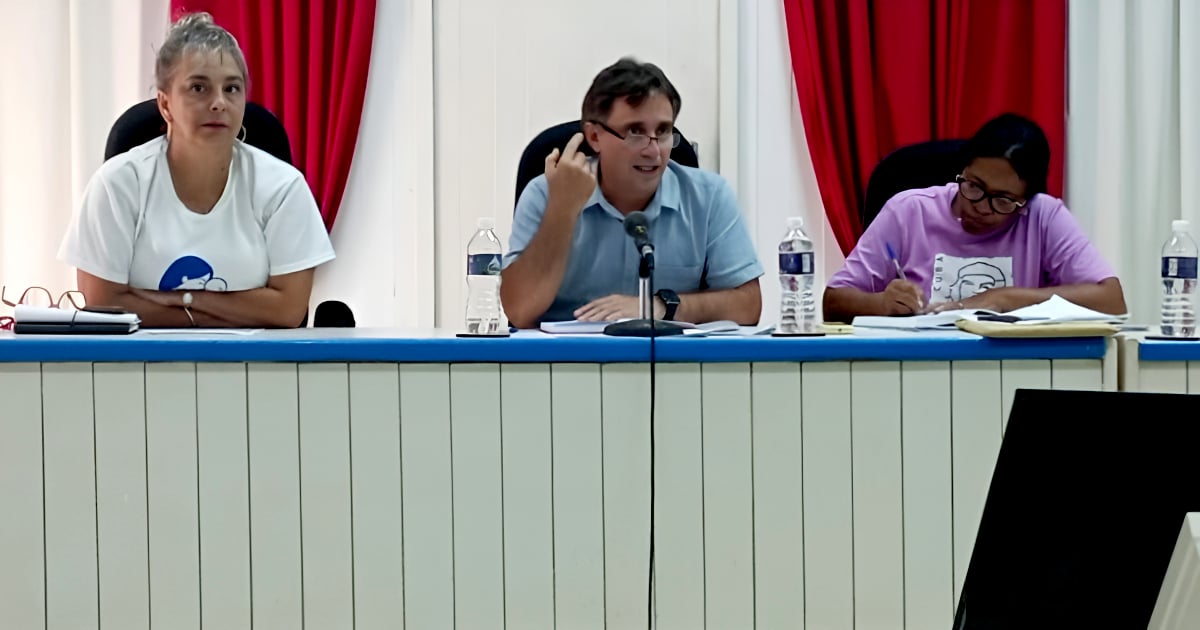
The epidemiological update was provided during a Provincial Government meeting, led by Dr. Yamira López García, the general director of Health in the area, who confirmed the "upward trend" in infections and the saturation of primary care services due to fever cases.
According to the reports on social media from , Doctor Andrés Lamas Acevedo, Provincial Director of Hygiene, Epidemiology, and Microbiology, explained that dengue continues to show increased clinical severity, especially due to alarm symptoms that may lead to complications.
Meanwhile, it was warned that chikungunya is showing a high attack rate due to the low immunity of the population, which increases the risk among older individuals and patients with chronic diseases.
Although the authorities in Matanzas have stated that there have been no recorded deaths, social media has seen reports of potential deaths related to dengue or associated complications that are not reflected in the official reports.
In July, Facebook users reported on the alleged death of an eight-year-old boy in Manzanillo from hemorrhagic dengue, a case that was never confirmed by the Ministry of Public Health.
Weeks later, in Sancti Spíritus, family and friends announced the death of young Yoel, attributed to complications from dengue. Although local media reported on the incident, authorities have not included the case in their national reports nor issued any additional statements.
In Matanzas, there were also recent rumors about the death of a minor, denied by the Provincial Health Directorate, which described the claim as “completely false.”
However, comments on social media and the silence regarding the exact diagnoses of some patients strengthen the public perception that there are deaths not officially recognized or misclassified as "nonspecific febrile syndromes."
Despite the increase in cases, the authorities in Matanzas stated this Friday that hospitals have sufficient beds, and that the rise in pediatric admissions is due to the current protocol that requires hospitalization for children under one year old with unspecified febrile syndrome.
However, the very meeting revealed the precariousness of the vector control system. Doctor Rony Lázaro Reyes Sánchez, provincial deputy director of Hygiene and Identity in the Vector area, acknowledged that they only have 777 fogging machines out of the 1,341 needed, which means that "at certain times the fumigators are left on the ground due to a lack of personnel."
Furthermore, Matanzas does not have the required number of sprayers to carry out extensive fumigations in all the municipalities. In light of this limitation, a mobile brigade was created with equipment distributed among health centers, which will be transported by bus to areas with a higher epidemiological complexity.
In the meeting, the First Secretary of the Party in the province, Mario Sabines Lorenzo, and the governor Marieta Poey Zamora also participated, emphasizing the need to strengthen the "unity of all organizations" to confront the spread of arboviruses.
Although officials avoided mentioning the true extent of the outbreak, the data presented clearly shows that Matanzas is facing a simultaneous expansion of dengue and chikungunya throughout nearly its entire territory, amidst a context of lack of fumigation, staff shortages, and material deficiencies that restrict the health response.
Filed under: