
Related videos:
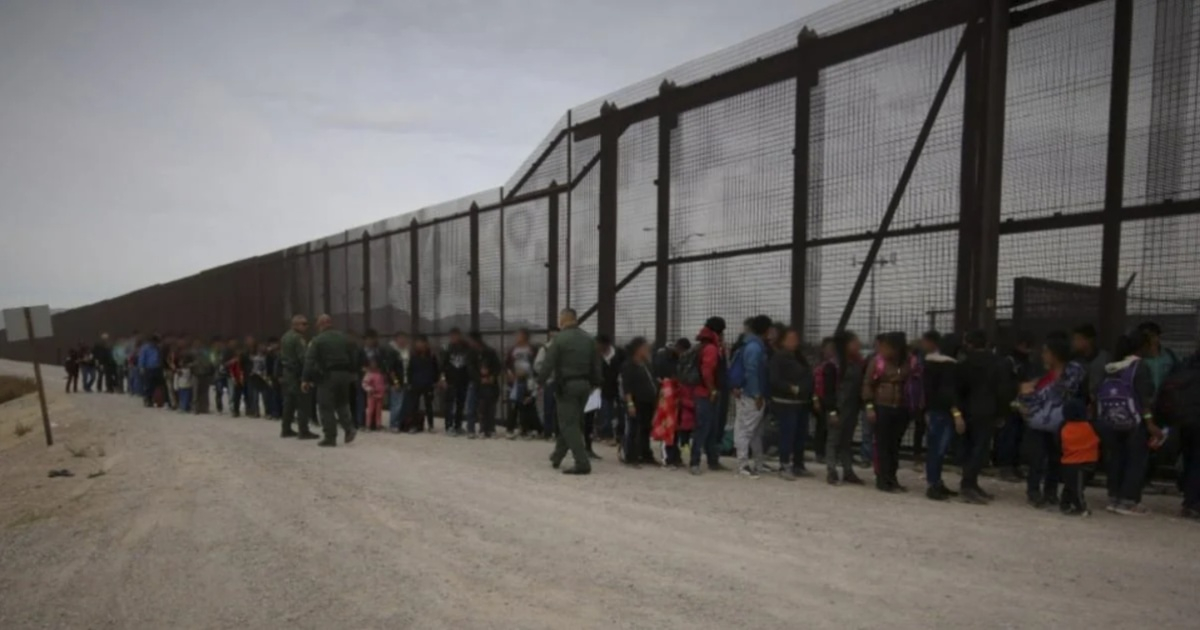
Illegal crossings at the border between the United States and Mexico declined in fiscal year 2025 to their lowest level since 1970, with nearly 238,000 arrests recorded by Border Patrol.
According to preliminary data from the Department of Homeland Security (DHS), the figure represents the lowest annual count since the fiscal year 1970 (when there were approximately 202,000 apprehensions).
At the same time, it contrasts with the historic peaks of the previous era: in fiscal year 2022, there were 2.2 million apprehensions at the southern border.
More than 60% of the arrests of AF 2025 occurred in the last three complete months of the previous administration (summer of 2024).
During the first eight months of the new government, the agents recorded fewer than 9,000 arrests per month.
The crossings of Cubans experienced a drastic reduction: from 6,136 in January 2025, they fell to 105 in August.
According to CBS News, analysts indicate a restrictive shift in border and domestic policies.
The report states that, following the change in the White House, the border was sealed and militarized with asylum system closures through emergency powers, the deployment of thousands of soldiers, the termination of humanitarian entry programs from the previous administration, and the end of releases after illegal crossings, prioritizing rapid deportations or detention while cases are reviewed.
Parts of the asylum ban have been limited by the courts, but the deterrent approach remains in place.
From the government environment, White House spokeswoman Abigail Jackson stated that the president "has fulfilled" his promise to secure the border, linking the decrease in crossings to increased internal security.
For his part, analyst Ariel Ruiz Soto (Migration Policy Institute) warned that border and internal measures have had a significant deterrent effect, although he noted that the decline began in the summer of 2024 with restrictions on asylum from the outgoing administration.
The highly publicized internal operations have sparked protests in cities like Chicago and Los Angeles. The president has ordered the deployment of the National Guard to protect facilities and immigration agents; in Portland, Oregon, a federal judge has temporarily blocked that plan.
Support organizations at the border, such as a network of shelters in El Paso (Texas), report a sharp decline in recent arrivals and, on some days, zero migrants housed, a phenomenon they attribute to repression and new controls.
"People are simply not being seen," the network's head told CBS, while refraining from commenting on the politicization of the matter.
The drastic decrease in irregular crossings coincides with the elimination of age limits for new ICE recruits, increased deployments of agents at the border, and the
Migration experts warn, however, that the long-term impact will depend on external factors such as the economic situation in Latin America and the Caribbean, as well as on the ability of the countries of origin to reintegrate their deported nationals.
Frequently asked questions about the decline of migration crossings at the southern border of the U.S.
Why have illegal crossings at the southern border of the U.S. decreased?
The decrease in illegal crossings is due to more restrictive immigration policies implemented by the Donald Trump administration. These measures include the militarization of the border, the closure of humanitarian entry programs, and the prioritization of expedited deportations. Additionally, the asylum system has been restricted, which has had a significant deterrent effect.
How have human rights organizations reacted to these immigration policies?
Organizations such as the ACLU have described the measures as inhumane, draconian, and illegal. They have challenged these policies in court for violating the right to asylum and constitutional guarantees, and have pointed out that immigration operations have sparked protests in cities like Chicago and Los Angeles.
What impact has immigration policy had on Cuban migrants?
The U.S. immigration policy has drastically reduced the entries of Cuban migrants. Since the beginning of fiscal year 2025, there has been a significant decrease in crossings of Cubans, reflecting a tightening of immigration measures and a closing of options for those seeking to enter without documentation.
What has been the U.S. government's response to criticism of its immigration policy?
The U.S. government has defended its approach, claiming that it has secured the border and reduced illegal crossings. The Trump administration has attributed this success to bold and decisive actions, emphasizing that the current figures represent the safest border in the country's history.
Filed under: