
Related videos:
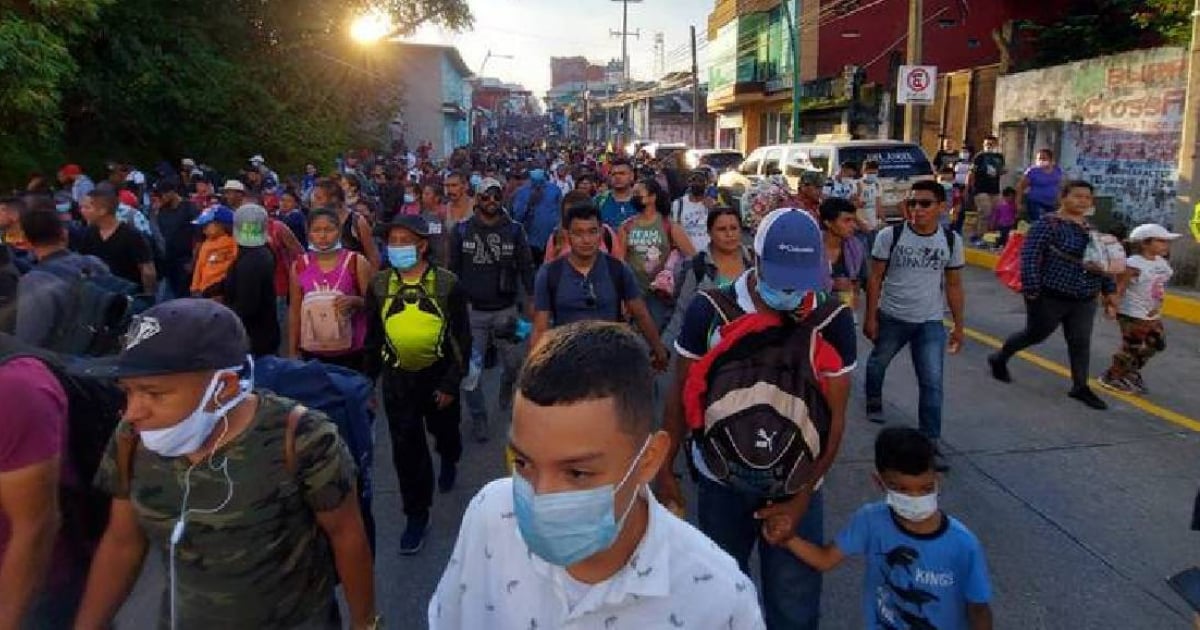
A group of Cuban migrants in Tapachula, in southern Mexico, began organizing a new caravan headed to the center of the country, after months of waiting for an asylum resolution from the Mexican Commission for Refugee Aid (Comar) and amid reports of corruption, xenophobia, and precarious conditions.
The departure is tentatively scheduled for October 1st, as communicated by the migrants themselves through WhatsApp groups and social media, where they initiated the call and reached the first agreements to march in an organized manner, reported the local Diario de Chiapas.
Cubans claim that the conditions in Tapachula are unsustainable: there is no formal employment, rents are high, food is scarce, and many face discriminatory treatment. To this, we can add the slow pace of immigration processes and the systematic rejection of asylum applications.
“We are determined to leave Tapachula, we cannot live here because there is a lot of xenophobia, there are no jobs, and the work we are given is for up to 12 hours for 150 pesos a day,” declared Brian Balcón, a Cuban migrant participating in the organization of the caravan.
The affected individuals have reported that some have been waiting for a resolution from Comar for up to eight months or a year. They claim that even those who submit files evidencing political persecution or death threats are rejected without justification.
They also pointed out that under the leadership of Carmen Yadira de los Santos, the current head of the local Comar office, corruption has worsened.
“Only those who have money are attended to quickly and manage to find shelter”, commented one of the organizers.
This caravan does not have the immediate goal of reaching the United States, but rather to move to cities like Mexico City or Monterrey, where they hope to find better job opportunities and more dignified living conditions.
The preparations include open assemblies at the Bicentennial Park, a usual meeting point for migrant caravans in Tapachula. From there, they plan to coordinate the departure and logistics for the collective movement.
Tapachula has become a migration bottleneck, with thousands of people stranded awaiting processing in conditions that have been criticized by national and international human rights organizations.
Filed under: