
Related videos:
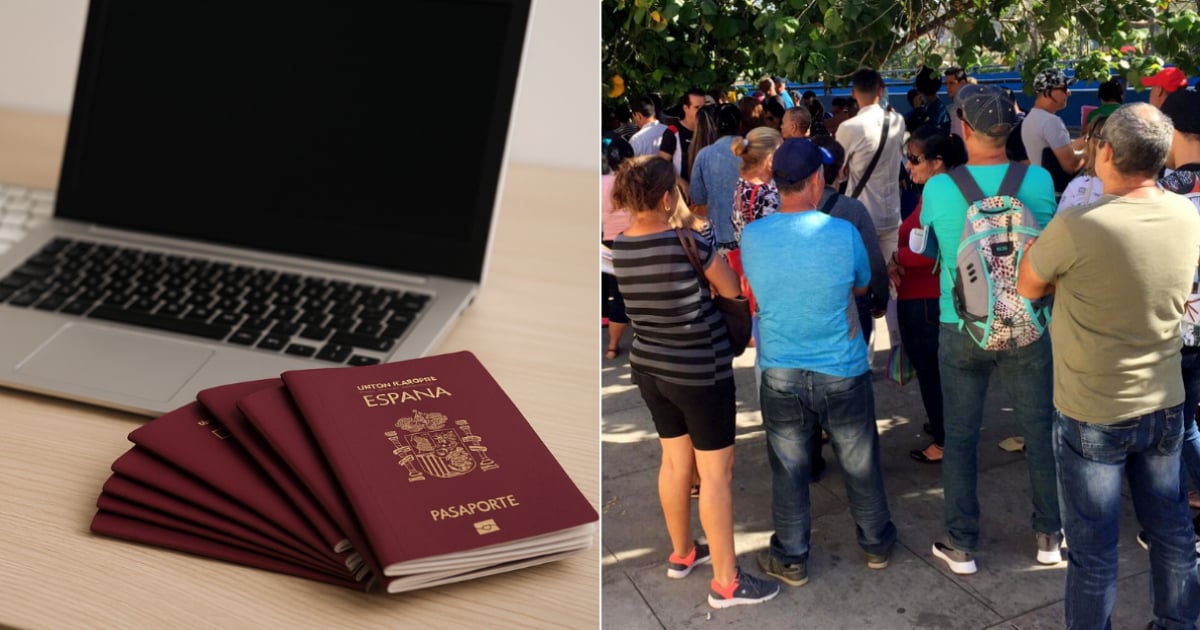
The General Council of Spanish Citizenship Abroad (CGCEE) issued a serious warning about the administrative collapse facing Spanish consulates due to the avalanche of nationality applications resulting from the so-called "grandchildren's law."
According to La Nueva España, its president, Violeta Alonso, stated, “at the current pace of processing, we could finish processing all applications by 2050.”
The projection, equivalent to two decades of delay, highlights the enormous backlog created since the implementation of the Law of Democratic Memory in October 2022, which opened the possibility of obtaining citizenship for the children and grandchildren of Spanish emigrants.
The regulation expired on October 22, after two years in effect and an additional extension, with over 1.5 million accumulated requests.
Argentina, Cuba, and Mexico account for the majority of the applications, and the consulate in Buenos Aires has become the epicenter of the process. In fact, once all the applications are completed, the Argentine capital could become the third city with the highest number of Spaniards in the world, after Madrid and Barcelona.
In light of this situation, the Council has requested the Spanish Government to strengthen consular resources and reform the Civil Code so that descendants of emigrants can apply for citizenship without time limits or generational restrictions.
The proposal aims to make access to citizenship a permanent right, avoiding the tensions and inequalities created by temporary laws.
The document submitted to Congress and the Senate also proposes to correct discriminations based on the line of descent, as current legislation allows male descendants of Spanish nationals to obtain nationality more easily than those of women who lost it before 1978 by marrying foreigners.
The Spanish Ministry of Justice acknowledges the challenge and has requested "patience" from applicants while structural reforms are being evaluated. However, representatives of the Spanish diaspora insist that without more staff and a definitive law, the backlog may extend for up to twenty years.
Filed under: