
Related videos:
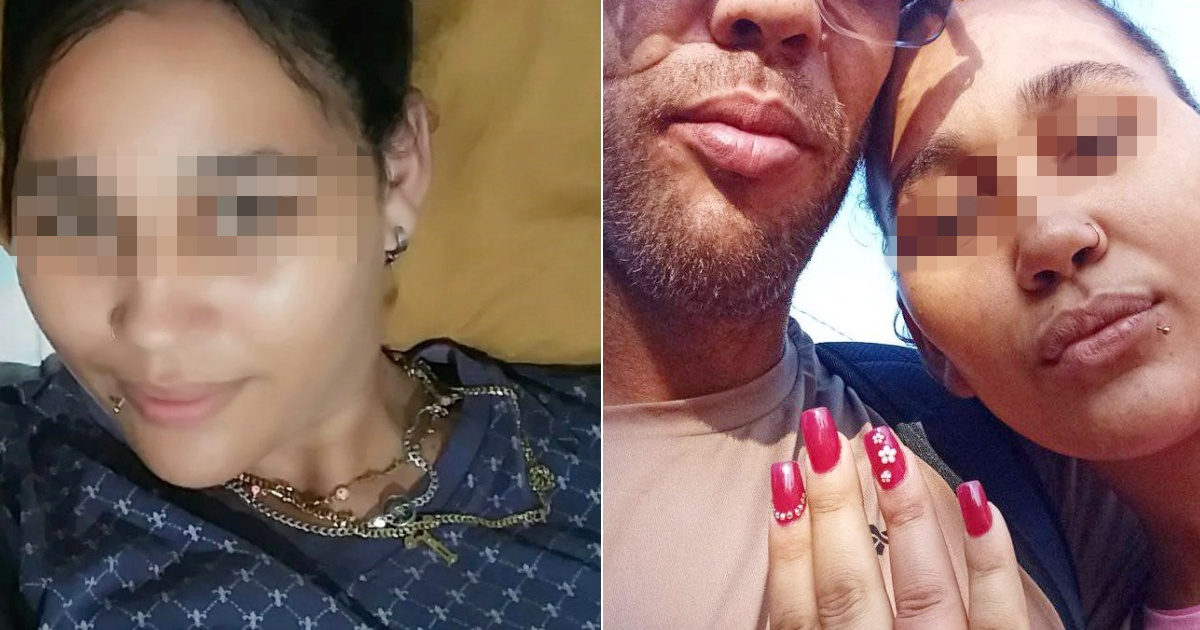
On December 7, 2025, Elianne Reyes Gómez, a 26-year-old Cuban woman, was allegedly murdered by her partner inside their home in the municipality of Madruga, Mayabeque province. She leaves behind a young daughter, who is currently cared for by family members. The crime was confirmed by the Gender Observatory of Alas Tensas (OGAT) and the platform Yo Sí Te Creo en Cuba (YSTCC), following a community verification process.
"We mourn a new femicide in Cuba, the young woman Elianne Reyes Gómez, 26 years old, who died at the hands of her partner on December 7 in her home in Madruga, Mayabeque. Our condolences go out to her young daughter who survives her, as well as to her family and loved ones," the platforms stated.
In most cases like this, the first signs emerge from citizen reports, publications by activists, or independent media.
The subsequent verification by OGAT and YSTCC aims to address the lack of transparent official statistics, one of the main obstacles to prevention and justice regarding gender-based violence on the island.
Figures that reveal a silenced crisis
With the murder of Elianne, feminist organizations have officially raised the number of femicides in Cuba to 44 so far in 2025, in addition to:
-a murder of a man for gender-related reasons
-16 attempted femicides
- three cases under police investigation that have not yet been resolved ( ).
They are also investigating new alerts in Santiago de Cuba, Guantánamo, Camagüey, Artemisa, Villa Clara, and Granma, provinces where community networks fill the gap left by the absence of a state monitoring and prevention system.
Elianne and the Pattern of Intimate and Domestic Femicide
The murder of Elianne confirms recurring trends that had already been identified in the OGAT–YSTCC 2024 Report.
Among them:
76.8% of femicides were committed against women between the ages of 15 and 45.
-55.4% occurred within the home.
17 of the victims were between 15 and 30 years old.
Elianne meets each of those characteristics.
She was young, killed by her partner in her own home: an intimate space turned into a scene of lethal violence, in a country that lacks a comprehensive law on gender violence and effective protection mechanisms.
Three femicides in eight days: a devastating sequence
Her death was not an isolated case. In just eight days, three women were murdered by their partners in different provinces of the country:
On November 30: Rosa Idania Ferrer Pérez (46 years old) was murdered by her partner in Palmira, Cienfuegos.
December 5: Heidi García Orosco (17 years old), stabbed by her boyfriend inside her home in Jovellanos, Matanzas.
December 7: Elianne Reyes Gómez (26 years old), murdered by her partner in Madruga, Mayabeque.
Three lives cut short, three families shattered, and a common denominator: domestic violence, perpetrated within the home, without any prior prevention protocols or state protection in place.
A version from social media: What is known about the crime according to witnesses and local media
Before the official confirmation by OGAT and YSTCC, the news reporter, Niover Licea, had reported on the femicide through his social media channels.
In her first publication, the victim was identified by another name: “Estefany Reyes Gómez” - the name used by the victim on social media - although it was later confirmed that she was Elianne Reyes Gómez, as indicated by feminist platforms.
According to that preliminary report, the murder occurred inside the victim's home in the El Matadero neighborhood in Madruga, and the attacker is believed to be her husband, identified as Yunior, who, according to neighbor testimonies, had recently been released from prison.
One of the most shocking details of the unofficial testimony is that Elianne's mother was in the same house at the time of the crime, but she didn't hear anything because she was playing music.
A country without law, without shelters, without protocols
Feminist organizations insist that structural impunity feeds this chain of crimes. In Cuba, it does not exist:
-An comprehensive law on gender violence
-Refuges for women in at-risk situations
-Public protocols for preventive action
- Reliable and transparent official data
-Gender-focused prevention policies
In this context, the observatories reiterate their message: “Reporting these crimes is not a crime, but an essential act to defend the life and dignity of women and girls in Cuba.”
"Making each case visible is also a form of justice," they add.
For years, these organizations have warned that there is no comprehensive law against gender-based violence in Cuba, no state shelters for women at risk, and no sufficient institutional guarantees for their protection.
Therefore, they stress the urgency of bringing attention to each crime and strengthening public reporting.
"In a country without a comprehensive gender-based violence law, with insufficient shelters and protection, making these crimes visible and reporting them is essential to defend the lives and dignity of women and girls," stated YSTCC and OGAT.
Filed under: