
Related videos:
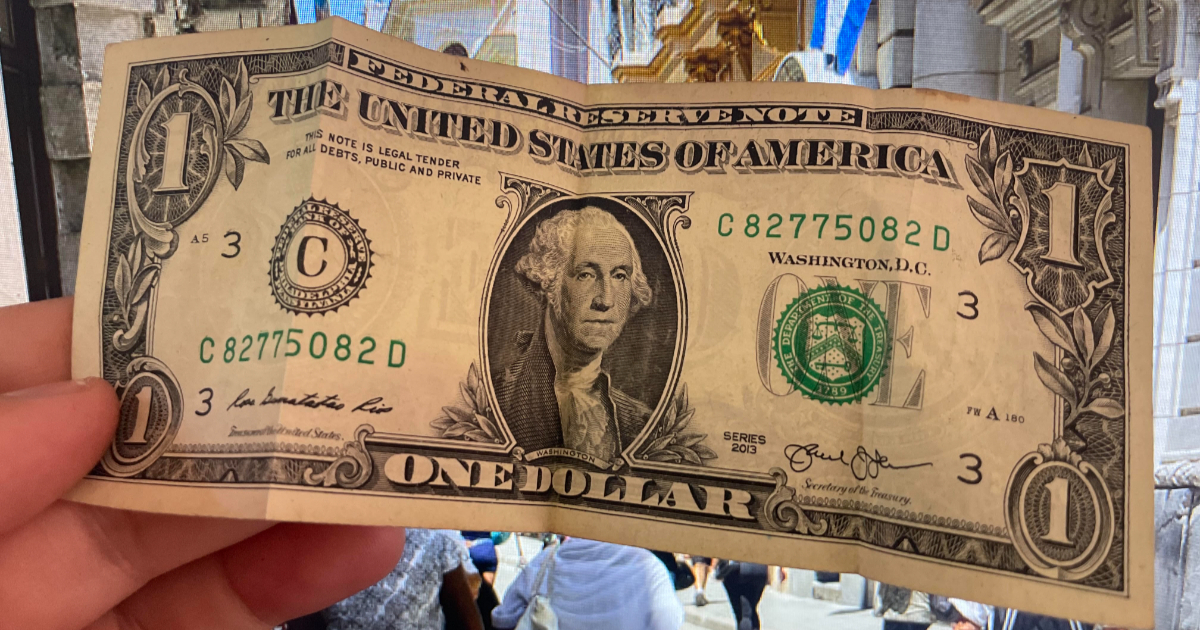
The average salary in Cuba increased by just one dollar after the implementation of the new floating exchange rate announced by the Central Bank of Cuba (BCC), a measure that the regime presents as a step toward the “recovery of the Cuban peso,” but which in practice reaffirms the value imposed by the informal market for years.
With the new official rate of 410 pesos per dollar, the average salary, set at 6,685.3 pesos, now amounts to 16.30 dollars per month. Meanwhile, with the informal rate of 440 pesos per dollar, reported by elTOQUE, it drops to 15.19 dollars. The minimum wage, at 2,100 pesos, barely reaches 5.12 dollars at the official exchange rate and 4.77 dollars according to street value.
Meanwhile, pensions —well below the minimum wage— are reduced to symbolic amounts that do not cover even the basic food for a week.
The president of the Central Bank, Juana Lilia Delgado, stated that the measure is part of a “gradual and temporary” process to “reorganize the foreign exchange market” and “strengthen the purchasing power of the Cuban peso.” However, the new scheme —which divides the market into three official segments— is not too different from the parallel reality that the government itself tried to combat for years.
The first rate published by the BCC and CADECA (410 CUP/USD and 481.42 CUP/EUR) is practically on par with the informal market, which today maintains the dollar at 440 CUP and the euro at 480 CUP.
This approach reflects that the new scheme does not compete with the parallel market, but rather recognizes it as the de facto reference for the real value of the Cuban peso.
Despite the official announcements, the daily life of Cubans is not improving. More and more basic products—oil, powdered milk, chicken, detergent, medicines, or even bread—are only sold in dollars or MLC, leaving millions of people with state salaries in pesos unable to access them.
The economist Javier Pérez Capdevila recently calculated that living in Cuba costs more than 50,000 pesos a month, which is about eight times the current average salary. Just the basic food basket exceeds 37,000 CUP, highlighting the glaring disparity between real wages and the cost of living.
“Work in Cuba does not support life with dignity,” Pérez wrote on his Facebook account, recalling that the minimum wage “does not cover even one-tenth of the basic needs of an average family.”
According to informal data from this Thursday, December 18, the U.S. dollar (USD) is trading at 440 CUP, the euro (EUR) at 480 CUP, and the Freely Convertible Currency (MLC) at 300 CUP. While the government attempts to project control, the Cuban people continue to assess their purchasing power in foreign currencies.
The so-called official floating rate has not restored confidence in the Cuban peso, nor has it changed the reality of the market: in Cuba, what is worth continues to cost in dollars.
Filed under: