
Related videos:
New voices are beginning to emerge following the recent investigation that uncovered the luxurious culinary ventures of Cristina Lage Codorniú, daughter of former Cuban Vice President Carlos Lage Dávila.
Workers at the restaurants associated with the young woman claim that among the regular patrons are members of the Cuban political and military elite, who arrive accompanied by a protocol that is as strict as it is revealing: cameras must be turned off every time they enter to avoid any record of their visit.
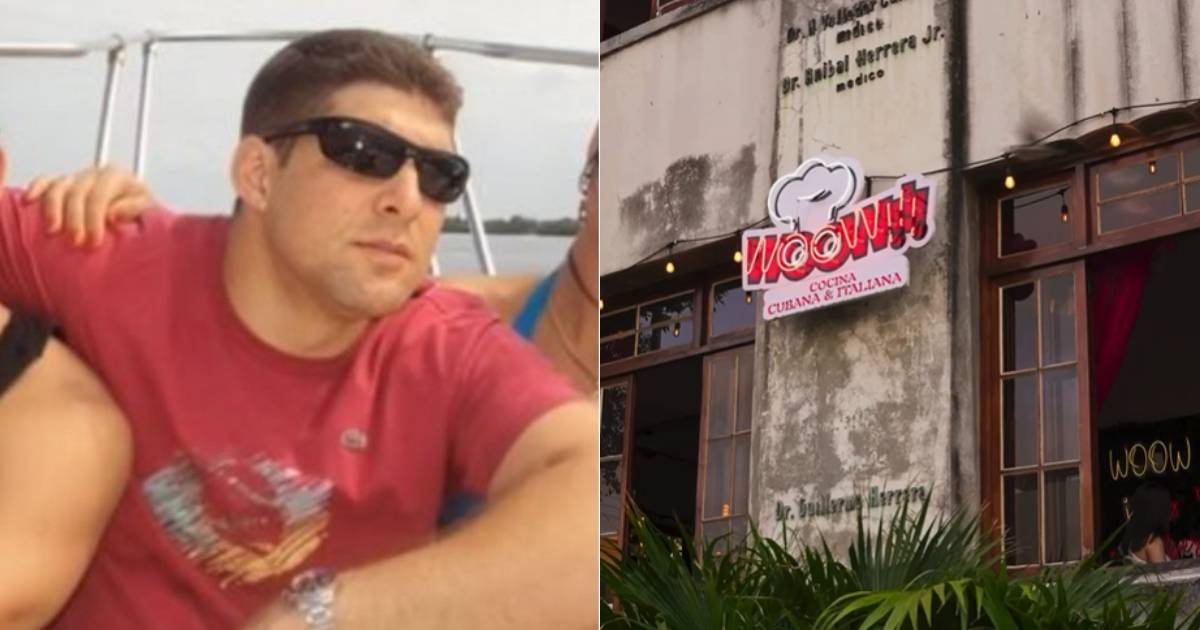
The complaints were spread by journalist Mario J. Pentón, who explained that employees of Sensacioones, Woow, and Nao Habana, establishments associated with the business group Group Tentacioones SRL, owned by Lage Codorniú and her husband Orlando Alain Rodríguez Leyva, describe a pattern of “untouchable clients.”
Among them, they mention the son of Rubén Remigio Ferro, president of the Supreme People's Tribunal, and the grandson of Raúl Castro, known as El Cangrejo, identified as one of those who demands to disconnect the surveillance system upon arrival.
While millions of Cubans continue to face a paralyzed economy, blackouts, insufficient wages, and the inability to afford basic products like a carton of eggs, this new elite enjoys dinners that can reach luxury prices in a city that is falling apart.
The investigation by Martí Noticias had already revealed that Group Tentacioones SRL operates as the business face behind restaurants that promote a "world-class dining experience," with menus priced in dollars and a style that starkly contrasts with the daily lives of the population.
The group claims on its website that the venues are “the materialized dream of a family passionate about hospitality,” without mentioning who the owners are. However, Cristina Lage is tagged on the businesses' social media.
The report also indicates that the daughter of the former vice president frequently travels to the United States and Europe, allegedly with a U.S. visa, and describes her life amid travels, exclusive business dealings, and networks of contacts that, according to the cited sources, allow her to operate without obstacles within Cuba.
Both Martí Noticias and other sources indicate that there is no official information available regarding the ownership of the restaurants, a gap attributed to the opacity of the system. There was also no response from Lage Codorniú to the request for comments.
The controversy arises at a time when Carlos Lage's figure is still marked by his fall from grace in 2009, when Raúl Castro accused him of succumbing to the "sweetness of power."
Today, while her daughter runs luxury private businesses in the heart of Havana, testimonies about privileges, connections, and secret dinners reignite the debate over the emergence of a new privileged class under the protection of power, in an island where the vast majority barely survives.
Filed under: