
Related videos:
The Cuban regime, through its spokesperson Humberto López, provided clues about its new strategy to justify the collapse of the national electrical system.
In a recent post on his Facebook profile, López announced an upcoming broadcast of the program Hacemos Cuba, where the "crimes associated with the national electro-energy system" and their impact on efforts to restore the country's electrical stability will be discussed.
According to López, these crimes "seriously affect the programs aimed at restoring the full vitality of the nation's electrical system."
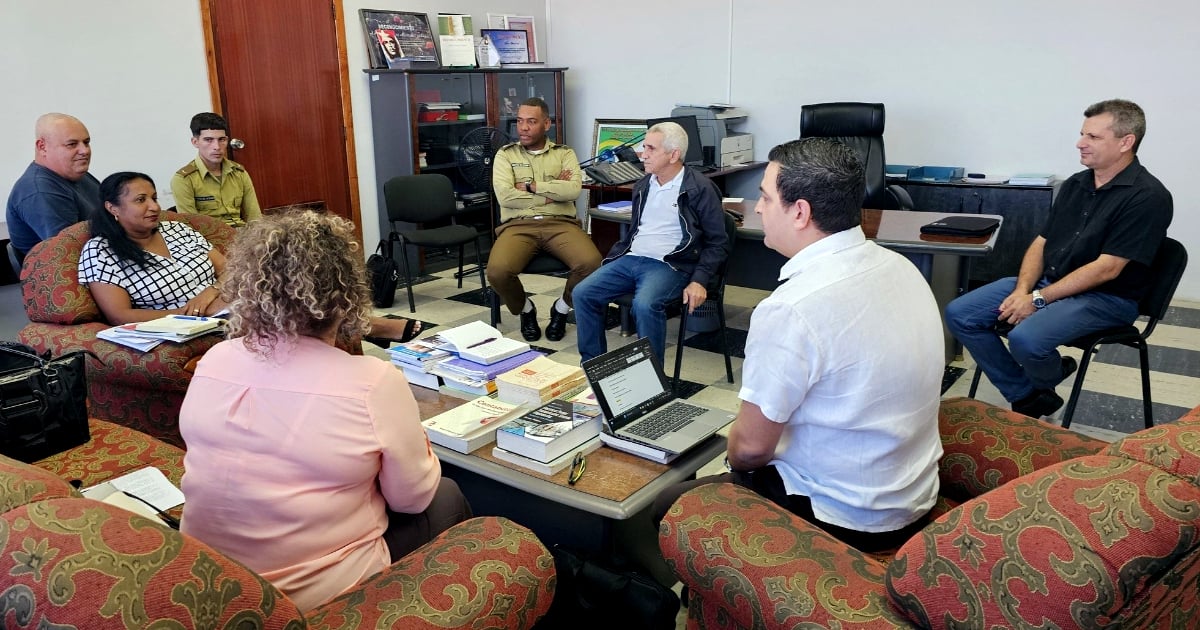
To analyze the topic, the following guests will be present: Alfredo López Valdés, national director of the Electric Union (UNE); Lourdes Pedroso Parés, chief provincial prosecutor of Mayabeque; and Captain Roberto Batista Fernández, first instructor of the General Directorate of Criminal Investigation of the Ministry of the Interior.
This official narrative seeks to blame external actors and specific crimes for the energy crisis facing Cuba, diverting attention from the inefficiency and lack of investment in the electrical system by the government itself.
In previous broadcasts, the presenter and spokesperson for Counterintelligence has used his television platform to portray the totalitarian regime as a victim of destabilizing strategies from the United States, targeted by violent acts of attack and sabotage, thus justifying the repressive actions of the dictatorship.
In two of his latest appearances, López has dedicated his program to threatening those released by the regime (due to the Jubilee Year, according to the official version, and as a result of negotiations with the Biden administration, according to unofficial sources) with a return to prison if they fail to comply with the "requirements" of their parole.
The history of López regarding media manipulation and direct attacks against activists and members of civil society is well known. His nefarious role on state television, where he has hosted prime-time programs aimed at defaming and discrediting opponents of the regime, has led to a nearly unanimous feeling of revulsion towards the communicator.
In March 2021, he issued direct threats against 27N activists and civil society as a whole, reminding them of the content of Article 4 of the Constitution, which proclaims "the defense of the socialist homeland" as "the greatest honor and the supreme duty of every Cuban."
Additionally, he has been accused of exposing private information of activists on national television, violating their privacy and jeopardizing their safety. An example of this is the case of the artist Tania Bruguera, who in May 2021 responded to López's defamations and
The protests in Nuevitas, those of July 11, 2021 (11J), the song Homeland and Life and its impact on society, the actions of the San Isidro Movement (MSI) or the Patriotic Union of Cuba (UNPACU), the “conversation” among Cubans on social media, and other expressions of dissent, protest, and activism have been the subject of defamatory and accusatory campaigns by the regime's media henchmen.
These actions are part of a broader strategy of intimidation and social control, where media manipulation and direct threats aim to silence any form of dissent. López has been a key player in this repressive machinery, using his platform to impose terror and censorship.
The use of figures like Humberto López to justify the deficiencies of the electrical system and other structural problems in the country reflects the regime's lack of willingness to take responsibility for the crisis that Cuba is facing.
Instead of addressing the root causes of these problems, there is a tendency to blame others and suppress any critical voices that may challenge the official narrative.
Filed under: