
Related videos:
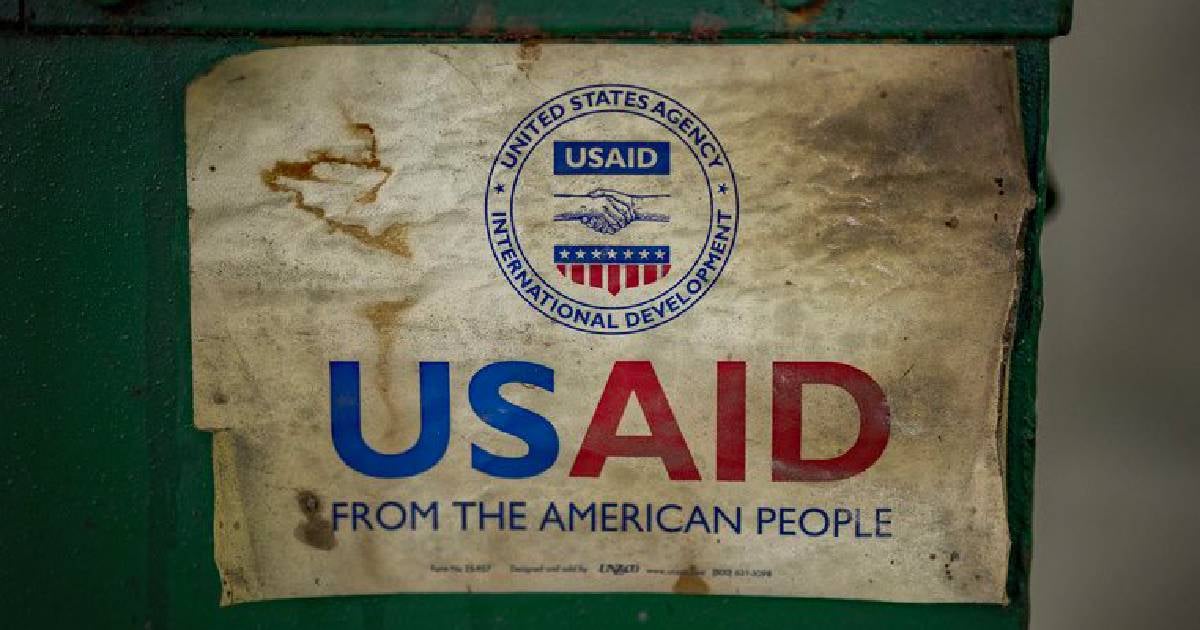
The State Department officially announced this Friday the permanent closure of the United States Agency for International Development (USAID), marking the end of an era in Washington's foreign aid policy.
The decision came just hours before an appeals court overturned a previous order that prevented Elon Musk and the Department of Government Efficiency (DOGE) from moving forward with the dismantling of the agency, reported the network .
In a memorandum addressed to USAID employees, Jeremy Lewin, the agency's deputy director and former DOGE official, informed that the Department of State will take over many of USAID's functions and programs.
"This transition will significantly enhance the efficiency, accountability, and strategic impact of our foreign assistance programs," the document states. It also notes that "all non-statutory positions at USAID will be eliminated."
The Secretary of State, Marco Rubio, celebrated the measure, arguing that "thanks to President Trump, this era of unnecessary and uncontrolled spending has come to an end."
Rubio emphasized that the new model will ensure that foreign aid is directed exclusively toward the national interests of the United States.
However, critics of the Trump administration have warned that the closure of USAID could weaken U.S. influence abroad and seriously impact vulnerable populations that relied on the agency for health, food, and basic needs assistance.
Humanitarian organizations and experts have also pointed out that this action could benefit autocratic regimes and weaken support for human rights in crisis-stricken countries.
For example, the reduction of funds has directly impacted the independent media in Cuba, such as Diario de Cuba, Cubanet, and El Estornudo, which partly relied on USAID grants to operate.
The suspension of these funds has prompted these platforms to seek financial support from their readers to continue theirjournalistic work against the totalitarian and repressive machinery of the Cuban regime.
The State Department has notified Congress of its intention to integrate some functions of USAID within its structure before July 1 of this year, although the agency's closure continues to face legal challenges in various courts.
Frequently Asked Questions about the Closure of USAID
Why was USAID closed?
The USAID was closed by decision of the Department of State, with the aim of integrating its functions and programs under its control to improve the efficiency, accountability, and strategic impact of U.S. foreign assistance. This decision was supported by the Trump administration, which argued that the agency was not aligning its programs with U.S. national interests.
What impact does the closure of USAID have in Cuba?
The closure of USAID severely affects independent media and NGOs in Cuba, which relied on its grants to promote democracy and human rights. Without these funds, organizations like Diario de Cuba and Cubanet have had to seek financial support from their readers to continue their journalistic work in the face of the Cuban regime.
What functions will the State Department assume after the closure of USAID?
The State Department will take on many of the functions and programs of USAID, integrating foreign assistance within its structure to align it with the national interests of the United States. This transition aims to enhance the effectiveness of foreign aid and ensure it is directed solely towards the interests of the country.
What are the criticisms of the closure of USAID?
The criticism of the closure of USAID points out that it could weaken the global influence of the U.S. and affect vulnerable populations that depended on its assistance. Detractors warn that the measure could benefit autocratic regimes and weaken support for human rights. Furthermore, there are concerns that the suspension of funding could negatively impact media outlets and NGOs in countries like Cuba.
Filed under: