
Related videos:
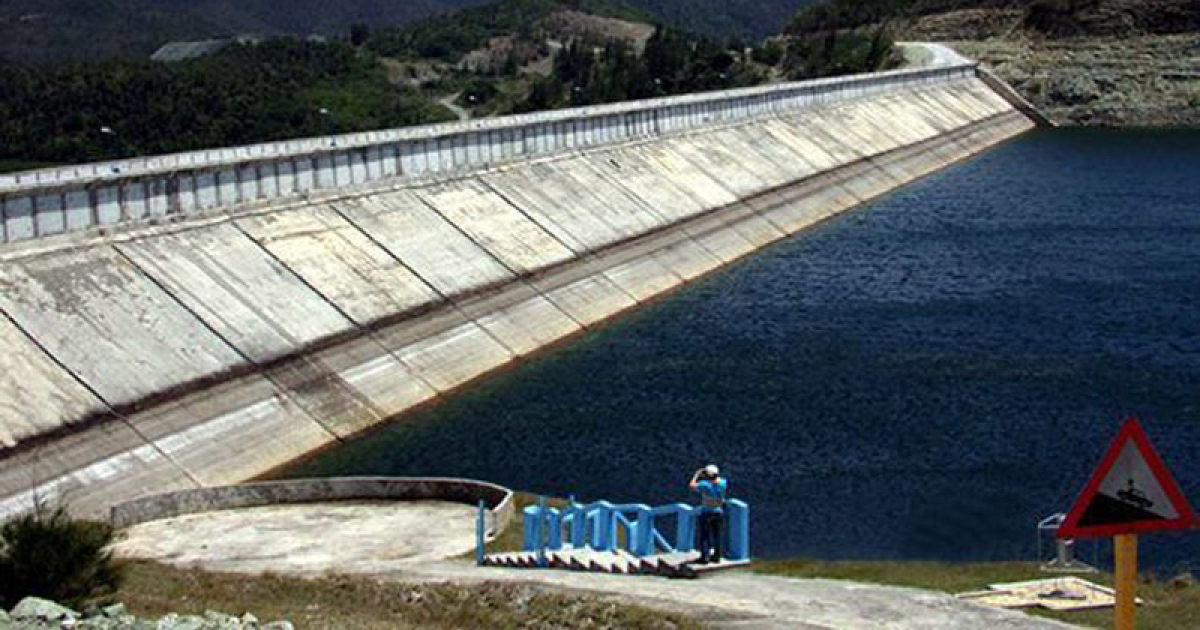
Two Cuban provinces are facing one of the worst droughts in recent years: Holguín has recorded a 22% rainfall deficit, with the entire territory classified as "very dry," while Ciego de Ávila has accumulated 35 months of precipitation below the average; experts warn that the situation could persist.
Holguín faces a critical situation, with only 52.9 millimeters of rain in March, representing 78% of its historical average, according to the latest report from the Provincial Meteorological Center, cited by the newspaper ¡Ahora!.
Antilla, the smallest municipality in the northeastern territory, emerges as the most affected, with an alarming 83% water deficit and just 10.9 mm of rainfall.
Only four of the 14 municipalities in Holguín (Gibara, Calixto García, Cacocum, and Urbano Noris) exceeded their usual averages.
According to the report, 47.7% of Holguín is experiencing meteorological drought (which occurs when there is an extended period without rain or with precipitation levels below the average), particularly in Banes, Sagua de Tánamo, and Moa, where it has persisted for seven consecutive months.
Vegetation and crops face extreme conditions, with 100% of the territory classified as "very dry," except for small areas in Mayarí and Moa, the source noted, highlighting the negative impact on crops and livestock.
Ciego de Ávila: Four years of accumulated deficit
The central province has been facing a crisis since 2021: 35 of the last 51 months (69%) experienced rainfall levels below historical records.
Additionally, during that period, out of the 24 months that fall within the rainy season (May to October), negative precipitation anomalies were recorded in 14 months, illustrated meteorologist Frank Fernández Castañeda, from the Provincial Meteorological Center, in an article published in the newspaper Escambray. Despite experiencing some very wet months in isolation, they were not enough to sufficiently recharge the aquifers.
From November 2024 to March 2025, the province accumulated only 163.5 mm, with a deficit of 41.1 mm, Fernández noted. January 2025 was one of the driest in the last decade.
Due to the reduction of flow in the main supply sources and the decline in the performance of pumping equipment, the authorities of Ciego de Ávila imposed a cycle of water distribution every 24 hours every nine days in all the popular councils of the municipal capital, with very negative impacts on economic, social, and agricultural entities.
According to Fernández, drought is a cumulative problem: it is not merely a temporary lack of rainfall, but rather a prolonged water deficit that is progressively worsening.
The specialist's analysis warns that when precipitation remains consistently below average, aquifers and reservoirs do not recover, creating a vicious cycle: soils lose their retention capacity, vegetation weakens, erosion increases, and available moisture decreases even further. Sporadic rain is not sufficient; it is necessary to overcome the historical deficit to reverse the situation.
The Standardized Precipitation Index (SPI) reveals that Ciego de Ávila is experiencing a meteorological drought ranging from mild to moderate over the last three to nine months, while when analyzing longer periods (12 to 18 months), the drought intensifies to moderate-severe, and even extreme in some areas, due to the combined effects of meteorological and hydrological factors.
Climate factors and forecasts
Expertos atribuyen la escasez de lluvias a la persistente influencia de altas presiones oceánicas que inhiben la formación de nubes y al fenómeno El Niño/Oscilación del Sur (ENOS), que altera los patrones de lluvia desde 2020. Modelos climáticos internacionales prevén que las precipitaciones se mantendrán bajo la media histórica en los próximos meses, agravando la situación.
Meteorologists indicate that, paradoxically, only a tropical cyclone could temporarily alleviate the accumulated water deficit, as happened with the devastating Hurricane Irma in 2017, which ended the worst drought Cuba has experienced in a century (2014-2017).
Frequently Asked Questions About the Water Crisis in Cuba: Holguín and Ciego de Ávila
What is the current situation of the drought in Holguín and Ciego de Ávila?
Holguín and Ciego de Ávila are facing a severe water crisis. Holguín has a rainfall deficit of 22%, with 100% of its territory classified as "very dry." Ciego de Ávila has experienced 35 months of below-average rainfall, leading to extreme water distribution measures.
What measures have been implemented in Ciego de Ávila to address the drought?
In Ciego de Ávila, a 24-hour water distribution cycle has been established every nine days due to the decrease in flow from the main water sources. This has significantly impacted daily life and economic activities in the region.
How is the drought affecting agriculture and livestock in Holguín?
The drought has negatively impacted crops and livestock in Holguín, where vegetation faces extreme conditions. The water deficit has weakened the soils and increased erosion, jeopardizing agricultural and livestock production.
What is the weather forecast for the upcoming months in Cuba?
Experts point out that precipitation levels will remain below the historical average due to factors such as high oceanic pressures and the El Niño phenomenon. This situation could further exacerbate the water crisis in the affected provinces.
Filed under: