
Related videos:
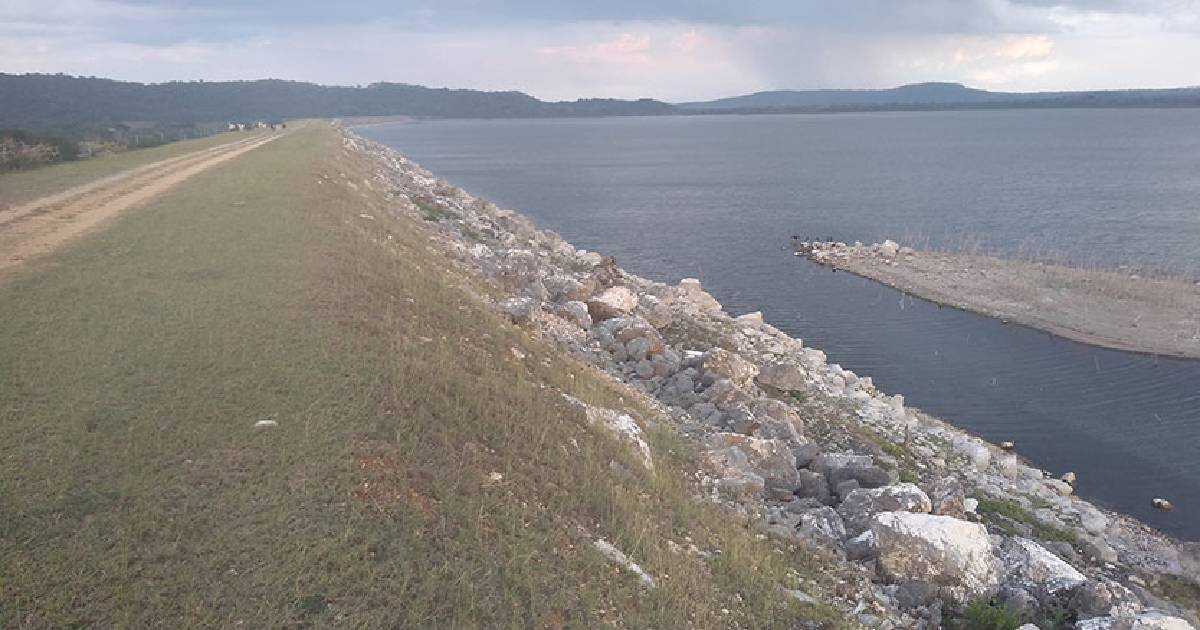
April 2025 could become the driest month recorded in Ciego de Ávila since 2008, with precipitation levels below 30% of the historical average, reflecting preliminary data from the Provincial Meteorological Center, which warned about the worsening drought in the area.
This deficit adds to a sustained trend of low rainfall over the past five years, due to a decrease in precipitation in the region.
The lack of rainfall affects not only the availability of water but also agriculture and other sectors that depend on water resources, emphasized Frank Fernández Castañeda, meteorologist at the Provincial Meteorological Center of Ciego de Ávila, in a note published by the newspaper Invasor.
He indicated that the main cause has been the persistent influence of high-pressure systems, or anticyclones, which create clear skies and dry conditions. “Unlike tropical cyclones that attract media attention, these phenomena act quietly, but they can lead to prolonged drought events, like the one we are experiencing,” he noted.
Traditionally, May marks the beginning of the rainy season in Cuba. Although climate models indicate that rainfall could be within normal levels for that month, an immediate recovery is not anticipated. "The deficit in precipitation would be partially mitigated, although the drought would persist," the specialist pointed out.
Nonetheless, on this May 3rd, there were rains and thunderstorms reported in several localities of the province. The Provincial Meteorological Center of Ciego de Ávila reported the occurrence of heavy rainfall in Morón and the provincial capital.
In April, Fernández himself warned that the central province was experiencing a precipitation deficit over the last four years, as 35 of the last 51 months (69%) reported rainfall below historical averages.
Moreover, since 2021, of the 24 months included in the rainy season (from May to October), 14 experienced negative precipitation anomalies. Despite having a few very wet months in isolation, they were not sufficient to adequately recharge the aquifers.
The data illustrated that from November 2024 to March 2025, the province accumulated only 163.5 millimeters of precipitation, resulting in a deficit of 41.1 millimeters. January 2025 was one of the driest months in the last decade.
Due to the reduction of flow in the main sources of supply and the decline in the performance of pumping equipment, the authorities of Ciego de Ávila have imposed a water distribution cycle of 24 hours every nine days across all popular councils in the capital municipality, with very negative impacts on economic, social, and agricultural entities.
This Thursday, at the official start of the rainy season in Cuba, rainfall was scarce and localized, primarily in the country's extremes, although a gradual increase in rainy activity is expected in the coming days.
According to the meteorologist Raydel Ruisánchez, weather presenter at Telecentro ARTV Artemisa, the precipitation will arrive due to a trough in the mid and upper levels of the atmosphere, an increase in relative humidity across much of the national territory, and daytime warming, typical of this time of year.
Frequently Asked Questions about the Drought in Ciego de Ávila and Its Effects
Why was April so dry in Ciego de Ávila?
The scarcity of rainfall in April 2025 in Ciego de Ávila is mainly due to the persistent influence of high-pressure systems or anticyclones, which create clear skies and dry conditions. This situation has worsened the drought that the region has been facing for several years.
How does the drought affect daily life in Ciego de Ávila?
The drought in Ciego de Ávila seriously affects water availability, leading to the implementation of a 24-hour water distribution cycle every nine days. This negatively impacts economic, social, and agricultural entities, in addition to complicating the daily lives of residents who must adapt to the water shortage.
What measures is the Cuban regime taking in response to the water crisis in Ciego de Ávila?
The Cuban regime has chosen to extend the water distribution cycle to nine days due to the reduced flow in the main supply sources. However, this measure has been described as a "necessary evil" and reflects the government's inability to effectively manage the water crisis and ensure basic services.
What forecasts are there for rain in the coming months in Cuba?
Climate models indicate that rainfall could be within normal values in May, which would partially alleviate the precipitation deficit. However, an immediate recovery from the drought is not anticipated, as overcoming the historical deficit is necessary to reverse the situation.
Filed under: