
Related videos:
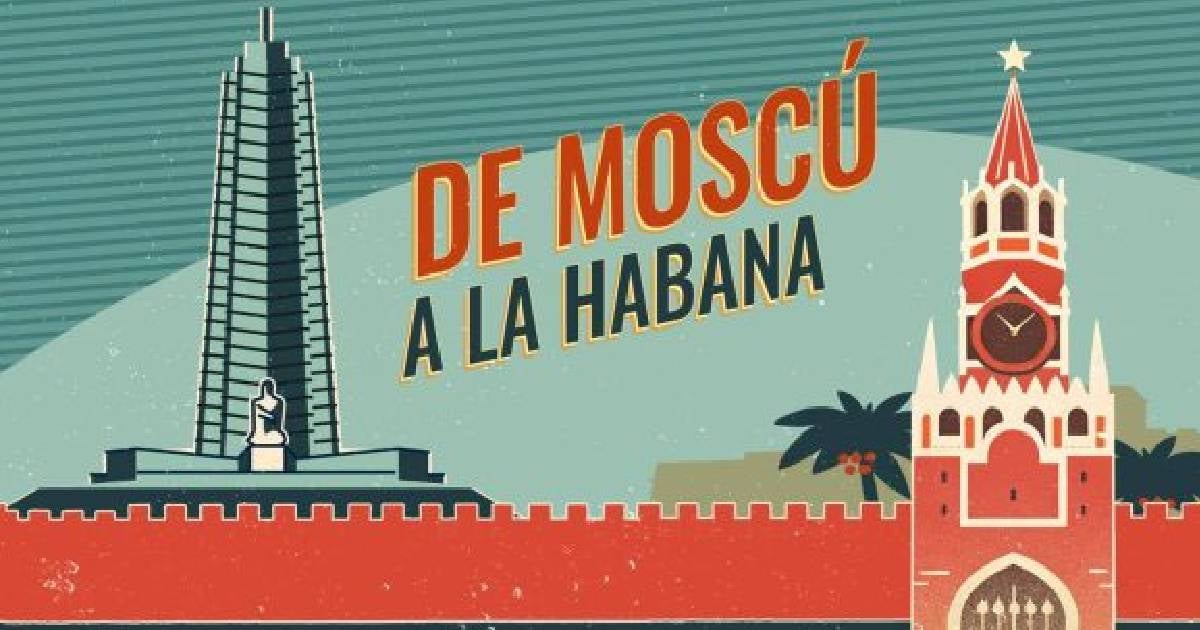
Cubadebate recently launched the podcast "From Moscow to Havana," in collaboration with the Russian state agency Sputnik, as a space that, according to its hosts, aims to “bring us closer to international agenda topics.”
Led by Cuban journalist Claudia Fonseca and Russian communicator Oleg Leonov Armas, the project serves as a bridge between two "friendly countries" to analyze the global landscape from an alternative perspective.
However, for many Cuban users on social media, the premiere was not met with enthusiasm, but rather with a flood of criticism, sarcasm, and confusion. More than a journalistic exercise, a significant portion of the audience perceives the podcast as a propaganda effort aligned with the geopolitical interests of the governments of Havana and Moscow, and disconnected from the actual concerns of the Cuban people.
An agenda that ignores the urgent
The first episode of the podcast tackled topics such as the tariff war between Donald Trump and China, allegations of electoral fraud in Ecuador by President Daniel Noboa, and advancements in Russian cosmonautics. For many internet users, this selection confirms that "From Moscow to Havana" is more interested in the global narrative of its allies than in the critical national situation.
And Ukraine? Isn't it on the podcast agenda? And why?, noted an internet user, questioning the omission of the most relevant conflict for Russian foreign policy.
Another added with irony: “Why don’t you make a podcast about the issues that shape the national agenda, which are many even though you don’t cover them in any media?”. In the same tone, he criticized the lack of local focus. “I have a telescope; with it, I can see the moon, I can see Mars… but I can't see my pinky toe.”
A comment was more explicit in its criticism. “What is it about? Is it humorous as well?.” Meanwhile, another person added: “Meanwhile, the Caribbean part continues to fall apart, and the Eurasian part keeps promising and promising, yet nothing. Their fight in Ukraine is more important, and their relationship with the North American orange dictator is more profitable.”
Between sarcasm, distrust, and nostalgia
Other comments delved into ideological and cultural criticism. "Why don't they call it by its namesake 'Game 9550'? It's the distance between Havana and Moscow. The nostalgia for the old colony is evident," an internet user sarcastically remarked.
A person commented that this is a symbolic second edition, alluding sarcastically to the Soviet propaganda promoted in revolutionary Cuba: “They brought it to promote our cigars. Remember that we are the same audience.”
Skepticism also affected the supposed material benefits of the alliance with Russia. Someone wrote: "How reliable is Russia's collaboration and assistance to Cuba for this 2025? You mentioned it to me, but I don't believe it. This year, I haven't seen any progress in the economy".
Despite the generally critical tone, there were also favorable reactions, such as that of a user who congratulated the presenters with a brief: "Excellent show, brothers".
An informative proposal or an ideological showcase?
From Moscow to Havana seems to be part of the official strategy to strengthen the alliance between Havana and Moscow, not only in diplomatic and economic terms but also in discourse.
It is not the first time that Cuban state media collaborates with internationally aligned platforms, but this podcast is produced at a particularly sensitive moment: with Cuba facing a severe internal crisis, widespread shortages, and increasing social discontent.
Far from providing a space for plural reflection, citizens' voices agree that the topics discussed have little to do with the national agenda, and that this type of content reinforces the disconnection between media power and the populace.
While leaders look towards Eurasia, Cubans are crying out for attention to what is happening in their streets, in their homes, and in their empty plates. For now, "From Moscow to Havana" has achieved what few state programs have: going viral. However, it has done so as a target of criticism, not as an informative reference.
Frequently Asked Questions about the podcast "From Moscow to Havana" and its context
What is the podcast "De Moscú a La Habana" and who hosts it?
"From Moscow to Havana" is a podcast launched by Cubadebate in collaboration with the Russian state agency Sputnik. It is hosted by Cuban journalist Claudia Fonseca and Russian communicator Oleg Leonov Armas, and aims to address international agenda topics from a perspective aligned with the interests of the governments of Cuba and Russia.
Why has the podcast "De Moscú a La Habana" been criticized on social media?
The podcast has been criticized for being perceived as a propaganda effort aligned with the geopolitical interests of the governments of Havana and Moscow. Users believe it ignores the real concerns of the Cuban people and focuses on international topics that do not reflect the critical national situation.
How does the podcast relate to the current situation of the Cuba-Russia alliance?
The podcast "From Moscow to Havana" is part of the official strategy to strengthen the alliance between Havana and Moscow. In a context of deep economic and political dependence of Cuba on Russia, this type of content aims to consolidate the ideological and discursive connection between the two countries, especially during times of internal crisis on the island.
What topics were addressed in the first episode of the podcast and why did they generate controversy?
The first episode of the podcast addressed topics such as the tariff war between Trump and China, allegations of electoral fraud in Ecuador, and advances in Russian cosmonautics. The selection of these topics sparked controversy because users were expecting a more local approach that was relevant to the urgent needs of Cubans, rather than a narrative aligned with the interests of their political allies.
Filed under: