
Related videos:
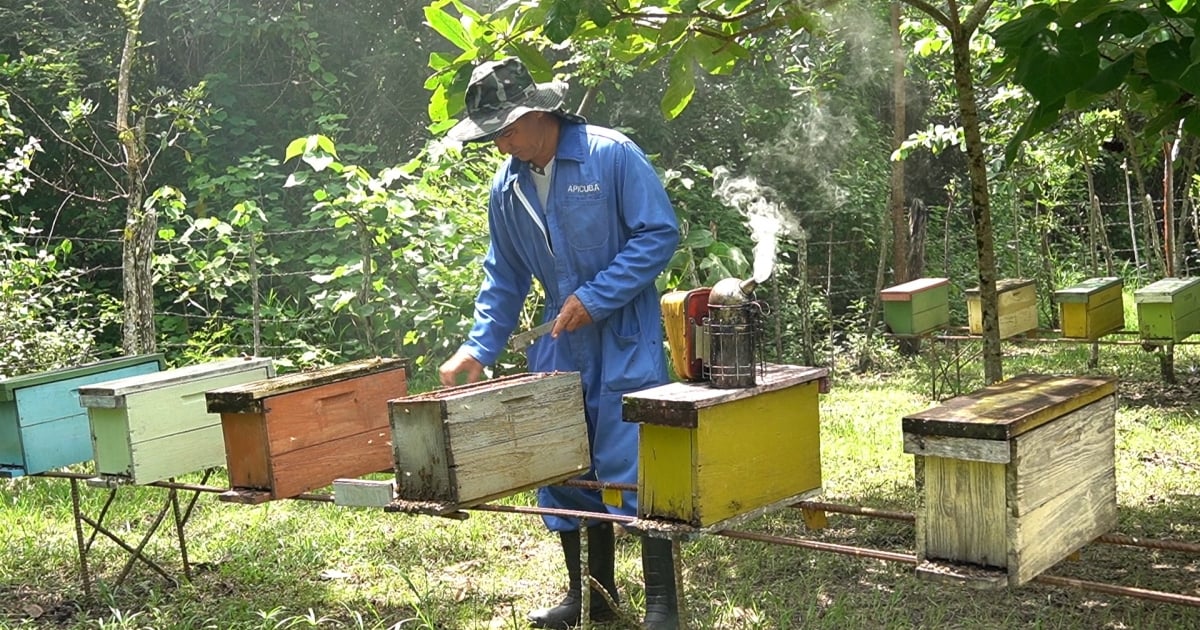
The production of honey from bees in Sancti Spíritus is going through one of its most critical moments, as only 87 tons have been collected by March - 72% of the planned amount - marking the sector's worst start to the year in the last decade.
The causes are multiple, but the disruption in nectar flows due to prolonged drought and the mismatch in flowering schedules stand out.
"The bee is a reflection of what happens in ecosystems; the level of production corresponds with meteorological processes," acknowledged Amaury Santander Hernández, director of the Apicultural Base Business Unit (UEB) in Sancti Spíritus, as reported by the newspaper Escambray.
However, the problem is not only environmental. The energy crisis is also taking its toll. Although there are tools and wood available for designing the boxes, “the lack of electricity prevents us from progressing in this activity…this affects the replenishment of the resources, the growth of the supplies, and directly impacts honey production,” he stated.
Transhumance – the relocation of hives to areas with greater flowering – has been cut in half due to a lack of fuel. This is the most expensive process that beekeepers face “because it involves moving, on average, more than 50 kilometers from the fixed location of the apiaries, which requires fuel and subsequent care for the hives,” explained the manager.
It was reported that this year only 3,600 hives were moved, compared to the usual 6,500, which limits the use of the coastal mangroves, especially along the northern coast of Yaguajay, which is still suffering the damage caused by the hurricane Irma in 2017.
The beekeeping industry in Sancti Spíritus has around 14,000 hives, a number lower than in the past, "but we have a better composition of the park," assured Santander.
Despite the adverse scenario, the authorities are confident in a partial recovery. In April, around 30 tons were collected as planned for the month. The aim is to achieve the annual plan of 700 tons.
The state-owned company aims to take advantage of the two productive peaks of the year: “From April to August, when the hives are moved to both coasts, primarily the southern one, with an estimated production of around 280 tons, and the final quarter, a period historically more favorable for production due to the better manifestation of flowering and the honey-producing potential at that time,” Santander specified.
According to Escambray, beekeeping in Sancti Spíritus began in 2024 with a program for the reforestation of honey-producing plants aimed at stabilizing flowering near beehives and achieving more consistent honey production throughout the year. The initiative, funded by a loan from the French Development Agency, seeks to improve ecosystems, increase productivity, and in the medium term reach a potential of 1,120 tons of honey annually.
Nonetheless, the current figures reveal a troubling reality: the sector suffers from the same structural issues that affect a significant portion of the Cuban economy.
Bee honey, traditionally one of the most valuable products of Cuban agriculture, has been placed among the eight priority sectors of the Comprehensive Export Strategy for Goods and Services for the period 2019-2030. Amid a severe food crisis, the government prioritizes its export and allocates 90% of the annual production to international markets, while depriving citizens of the ability to purchase it at reasonable prices.
In 2021, Cuba produced more than 10,500 tons of bee honey, a historic record, attributed to favorable weather conditions and the increase in the price of that product.
However, around the same time, news emerged about the shortage of the product in stores designated for its sale in the country, despite official media claiming that local plans are being exceeded.
Beekeepers from Mayabeque have refused to sell their products to the government and have managed to sell a bottle of honey for around 400 pesos in the informal market, as it provides them with greater benefits.
Frequently asked questions about the honey production crisis in Sancti Spíritus
Why has honey production fallen in Sancti Spíritus?
The production of honey in Sancti Spíritus has decreased due to a prolonged drought and imbalances in flowering calendars that have impacted nectar flows. Furthermore, the energy crisis restricts production by affecting the replacement of equipment and the migration of hives.
What impact does the energy crisis have on beekeeping in Sancti Spíritus?
The energy crisis is impacting honey production by limiting the availability of electricity needed for manufacturing and repairing beekeeping equipment. Additionally, the lack of fuel has halved the ability to transport hives to areas with better flowering, negatively affecting honey yields.
What measures are being taken to improve honey production in Sancti Spíritus?
A program for the reforestation of honey plants has been initiated to stabilize flowering near beehives and achieve more consistent production throughout the year. This program, funded by a loan from the French Development Agency, aims to improve ecosystems and increase productivity in the medium term.
What is the importance of bee honey to the Cuban economy?
Bee honey is a strategic sector for export in Cuba and is among the eight priority areas of the country's Comprehensive Export Strategy for Goods and Services. Ninety percent of the annual production is destined for international markets, which reflects its economic importance despite the internal food crisis.
How does the current honey production compare to previous years in Cuba?
In 2021, Cuba achieved a record production of 10,500 tons of honey due to favorable weather conditions and an increase in product prices. However, the current decline in production highlights the structural problems affecting the agricultural sector in the country.
Filed under: